
 exploring Bremen & its surrounding areas
 You are here: attractions in the city center
 Wallanlagen (1/2)
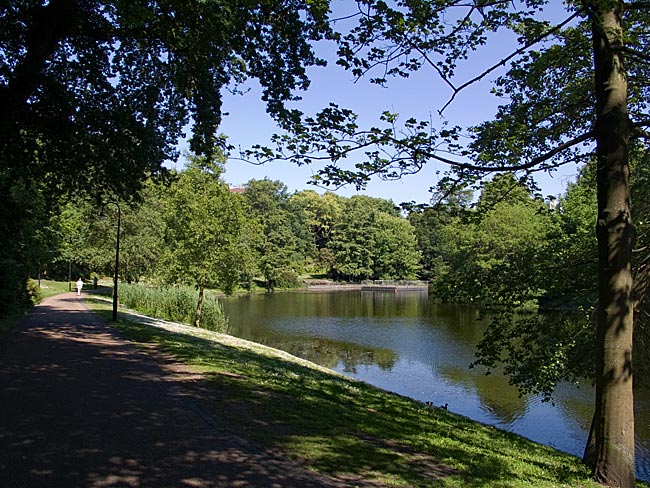
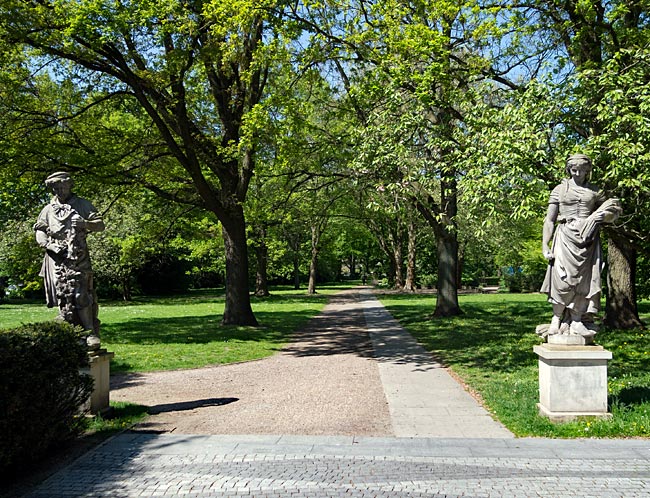
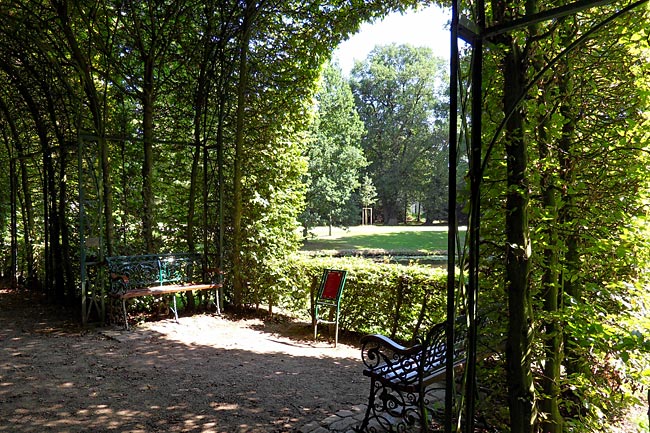
View into the Wallanlagen
A zigzagging park landscape with a moat stretches almost entirely around the Old Town. These are the last visible remnants of the fortifications that surrounded the Old Town and New Town (Neustadt district) until the early 19th century. It is likely that the settlement on the Weser protected itself against raids and plundering in the centuries after its founding in 782, but documented evidence exists of a city wall made of boulders dating back to 1229, as excavations in the Stephani district have shown. Gates (in german Tor) from the mid-13th century that led into the city can still be found today in street names such as Ostertor, Herdentor, Ansgaritor, and Bischofstor (now Bischofsnadel). In the first decade of the 14th century, the Stephani district was completely enclosed by an expanded city wall.
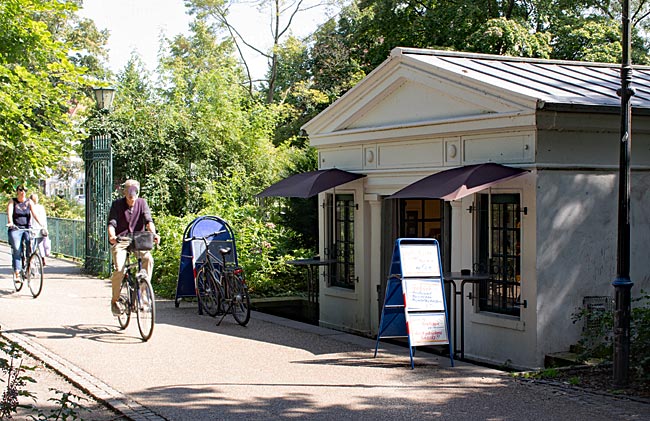
Classicistic gatehouse at the former city entrance Bischofstor
Initially, the approximately 5-meter-high and 1.2-meter-thick walls were sufficient for protecting the city, but as warfare evolved, so did the need to reinforce defensive measures. In the 17th century, the people of Bremen brought a Dutchman to the Weser who had previously served as a fortress master in the Hanseatic cities of Lüneburg and Hamburg. The jagged layout of the new fortifications is also attributed to the engineer Johan van Valckenburgh. In 1623, over five years, the new neighborhood Neustadt district on the opposite bank of the Weser was surrounded by a rampart. The current street names Hohentor and Buntentor on that side still refer to the two passages in the fortification. Only more than thirty years later were the fortifications on the Old Town side renewed.
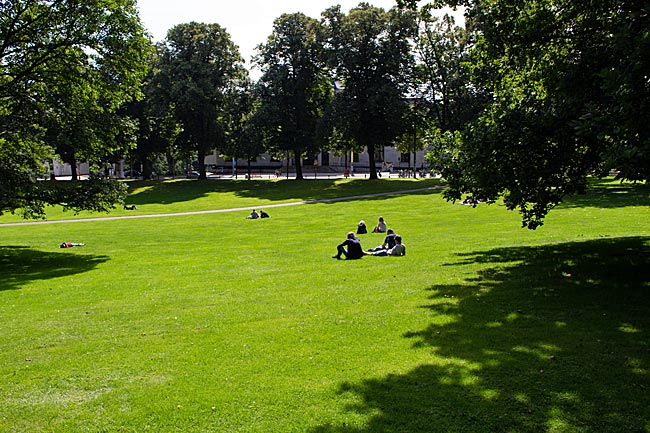
Siesta in the Wallanlagen opposite the Kunsthalle Bremen. The only defense taking place here is against overwhelming fatigue
With a water depth of over three meters, the excavated ditch that eventually enclosed the city up to the Weser was too deep to be easily crossed. The excavated material was piled into a protective rampart that rose before the reinforced city wall, and the "points" of the zigzag wall were occupied with cannons as bastions for defense. The extensive work was just completed in time, as in 1666 - only two years later - the Hanseatic city was besieged by Swedish troops under Field Marshal Carl Gustav Wrangel during the Second Bremen-Swedish War. Although the Swedes could not capture the city, the Peace of Habenhausen on November 15 of the same year was followed the next year by Bremen's homage to the Swedish crown.
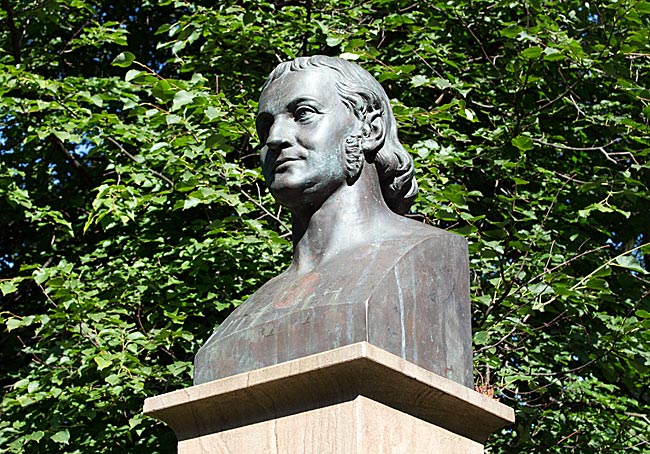
Monument for Isaak Altmann on the former Ansgari Bastion in the Wallanlagen
With changing warfare over time, the defensive structures became obsolete in form and function, were repurposed, and dismantled at the beginning of the 19th century. By 1811, the ramparts had been transformed into a landscape garden, while the city moat retained its shape. One of the two responsible gardeners, the Bremen landscape gardener Isaak Hermann Albert Altmann, was even honored with a bust monument in the Stephani district on the occasion of his 100th birthday in 1877. However, this was destroyed along with the quarter by bombs in 1944. But since the erection of a new monument by Stadtgrün in 2002 on the occasion of the 200th anniversary of the Wallanlagen, the "creator of the WALLanlagen" is once again honored for his achievements on the elevation of the former Ansgari Bastion at Bürgermeister-Smidt-Straße, and the importance of the green belt for Bremen is also emphasized in the present day.
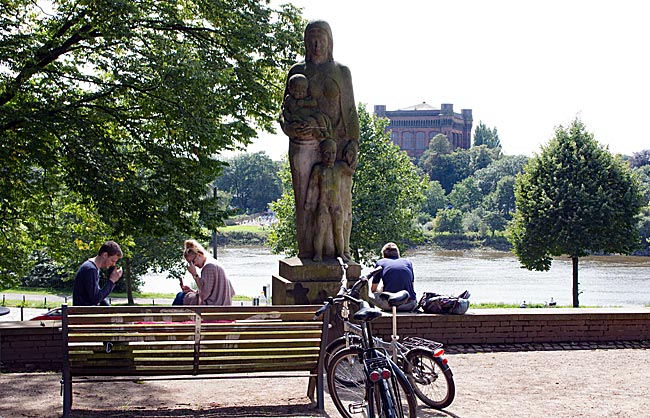
From Altmannshöhe, one has a good view over the Weser
The transformation into a garden landscape began in 1802 with the first section between the Weser and Herdentor. In terms of design, this part of the Wallanlagen is the most attractive and expansive. Behind the Kunsthalle above Osterdeich on Altmannshöhe - named after the aforementioned landscape gardener - there is a platform with benches offering a good view of the Weser and Stadtwerder with the "upside-down commode" on the opposite bank. Behind it stretches a memorial for the fallen soldiers of Bremen in World War I. The open ring wall made of 10,000 bricks (each inscribed with names at the time) was inaugurated in 1935; the inner square is currently inaccessible. The memorial also includes the sculpture "Mother and Children" by Ernst Gorsemann, which was erected later. However, the current sculpture is a replica by the artist from 1963, as the original was damaged during the war.
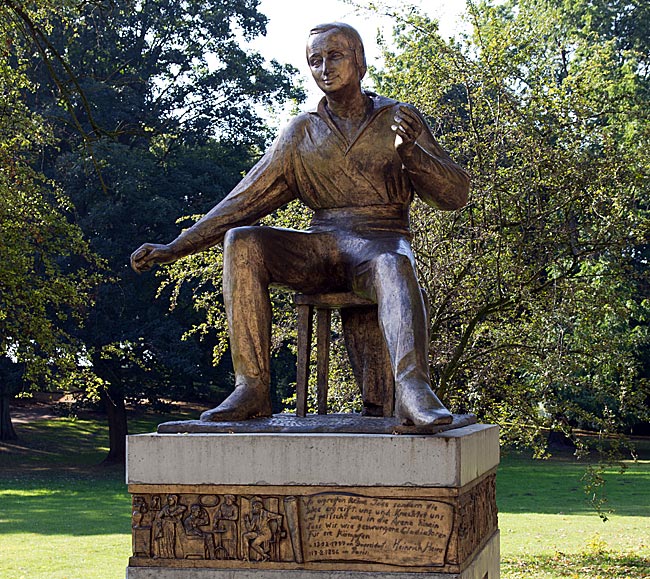
Heinrich Heine Monument by Waldemar Grzimek at Altenwall
More pleasant is the sight of the Heinrich Heine Monument on the street "Altenwall," which was erected here on October 1, 2010, thanks to donors from Bremen. The work measures 3.22 meters in height, including a pedestal adorned with a surrounding relief depicting war and peace. The artist Waldemar Grzimek, who was awarded the Bremen Sculptor Prize in 1987 and whose estate is now managed at the Gerhard-Marcks-Haus, created the bronze statue of the writer. It was said at the unveiling that Heine never allowed himself to be politically appropriated. To what extent Heine may have been tempted by the wine offerings in the Ratskeller (the basement of the town hall) during his documented visit remains speculative.
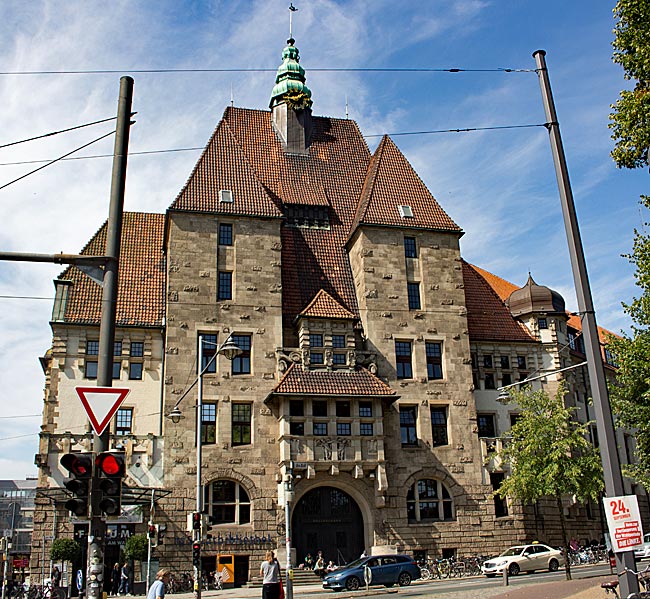
The old police station at the Wall
Speculation also surrounded the building diagonally opposite at the intersection of Altenwall/Am Wall - specifically, who the murderer might be. But the house served not only as headquarters for the detectives in earlier years of the Bremen Tatort series but was actually a police station - the Wache 6 - until 1999. The building, constructed between 1906 and 1908 in a historicizing Neo-Renaissance style, underwent external modifications after damage in World War II, has been under monument protection since 1992, and has served as the location of the city library since 2004 following interior renovations. At the same time, a small passage with shops and gastronomy (Wall-Forum) opened in the lower part of the building.
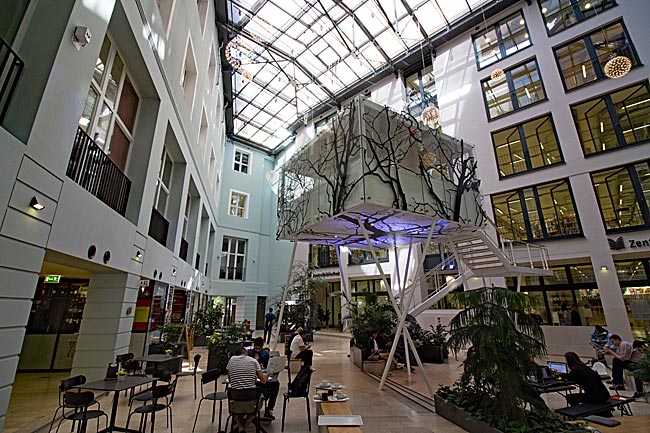
Stylish and modern: the Wall-Forum
previous page
 next page
Map
Stephani district
The Stephani district forms the western end of Bremen's Old Town and is considered the birthplace of the city, making it one of its oldest districts. As early as 1050, Archbishop Adalbert I founded a priory in honor of Saint Stephen. The priory, located on a dune, was called Steffensberg (mons sancti Stephani) in German translation. Adalbert's episcopal successors established a parish and built the first church in what was then also known as Steffensstadt (Stephen’s City).
read more ...
Das Viertel (The Quarter)
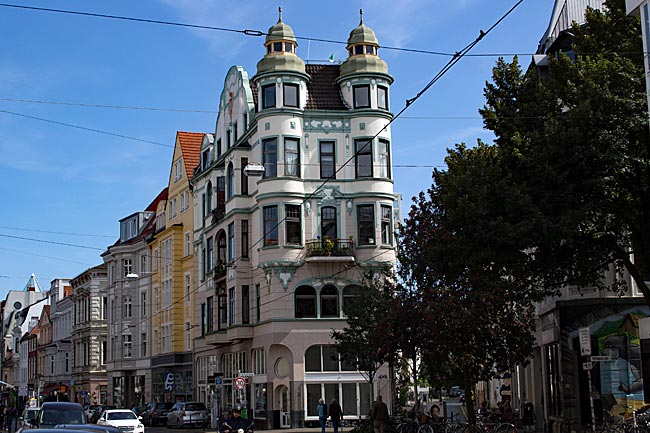
Although the area around the two main streets and their many small side streets partially belongs to the Mitte district and partially to the Östliche Vorstadt, Bremen residents simply refer to it as "the Quarter." It is loved, hated, feared, and much more. In no other neighborhood of the Hanseatic city have contrasts been so openly - and sometimes violently - visible over decades as in the Quarter.
read more ...
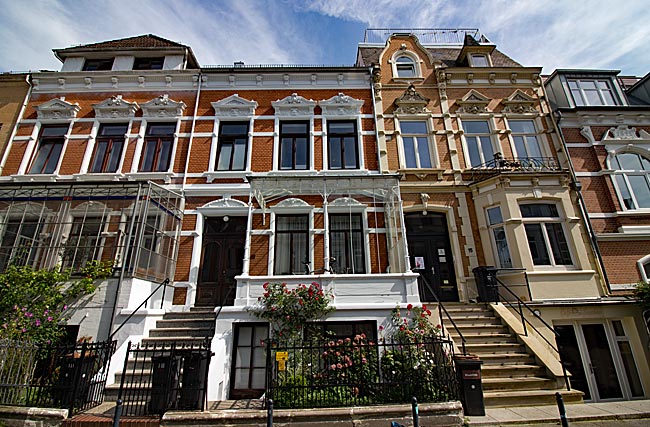
Kunsthalle
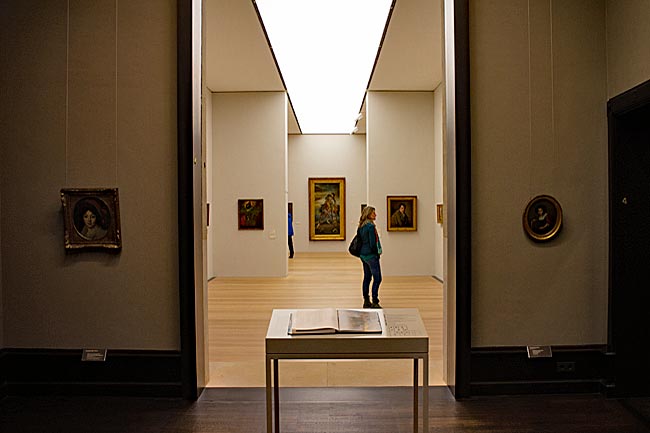
The core of the Kunsthalle's collection represents European painting from the Middle Ages to the present day. A particular focus lies on French painting of the 19th and 20th centuries, primarily showcased through one of the largest collections of Delacroix's works. German Impressionism is another key highlight, featuring works by artists such as Liebermann, Corinth, and Slevogt. The collection also includes painters from the renowned Worpswede artist colony near Bremen, such as Heinrich Vogeler and Otto Modersohn.
read more ...
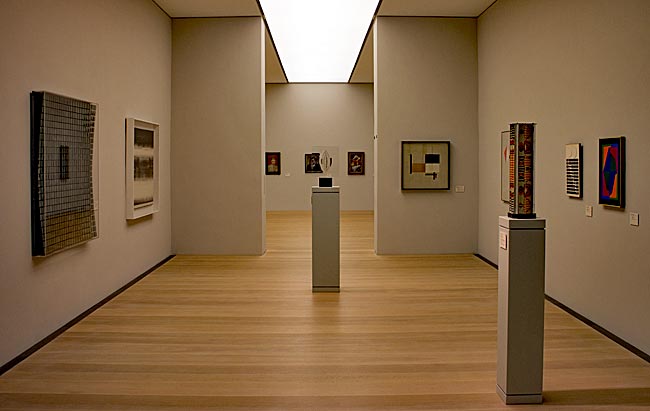
Focke-Museum
Every city has its history, and in many cities, there is a museum that tells this story. In the Hanseatic city, it is the Focke Museum in the Riensberg district, where urban history is presented most vividly. The "Bremer State Museum of Art and Cultural History" was established in 1924 by merging two collections: the Gewerbemuseum, founded in 1884, and the Historisches Museum für bremische Altertümer (Historical Museum for Bremen Antiquities), founded six years later. The museum's founder, who passed away in 1922, also gave it his name.
read more ...
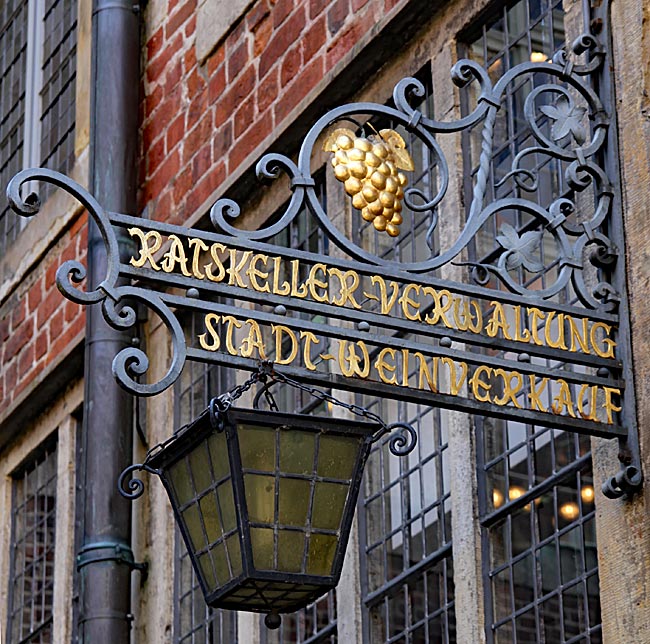
Wein trade in Bremen
The Ratskeller, located in the cellar vaults beneath the Town Hall, has a history as both a wine gastronomy and a wine trade establishment dating back to the 15th century. Like the Town Hall itself, it has been under monument protection since 1973. In earlier times, only the councilmen had the right to serve Rhine wine due to a Rhine wine monopoly. A source from 1370 mentions for the first time that there had long been an obligation for those who brought wine into the city to offer it first to the council, and that no one was allowed to serve wine without permission.
read more ...
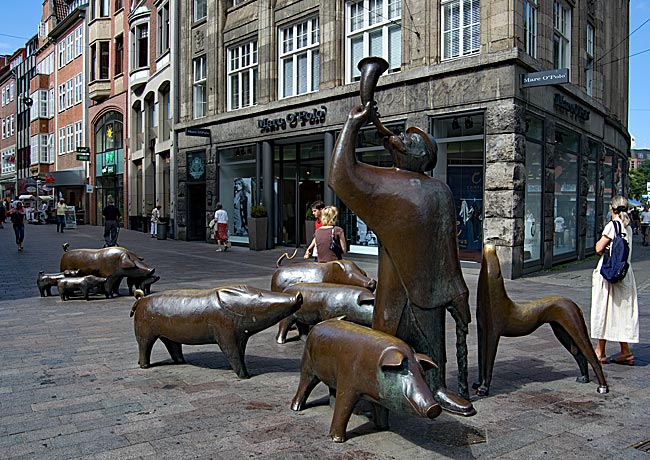
City Center: the main shopping streets
Another traditional café can be found at Sögestraße 42/44. The Knigge confectionery was established in 1889 and offers a variety of baked goods, chocolates, and ice cream, making it well-known throughout the city. Diagonally across from the café, branching off from the row of shops, is the glass-covered Katharinen-Passage, which - with an interruption - leads into the Domshof-Passage, ending at the Domshof. On this site, which now houses retail stores and a parking garage, once stood the namesake St. Katharine's Monastery.
read more ...
Schnoor
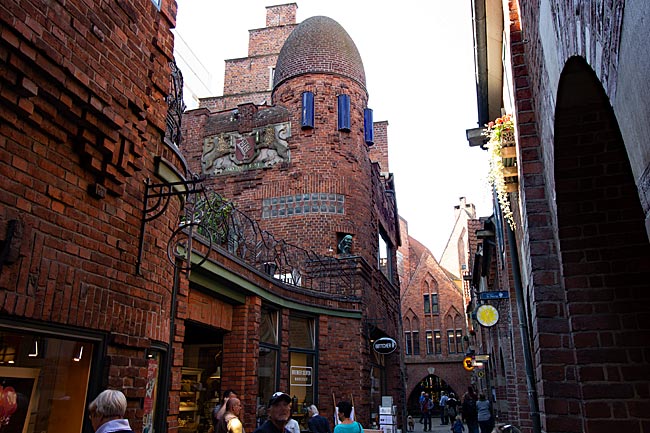
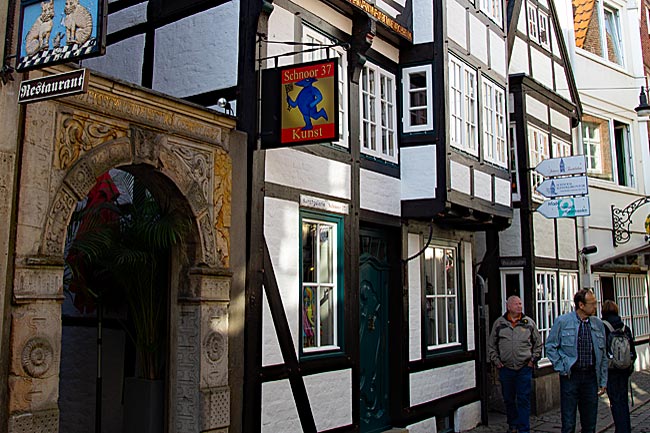
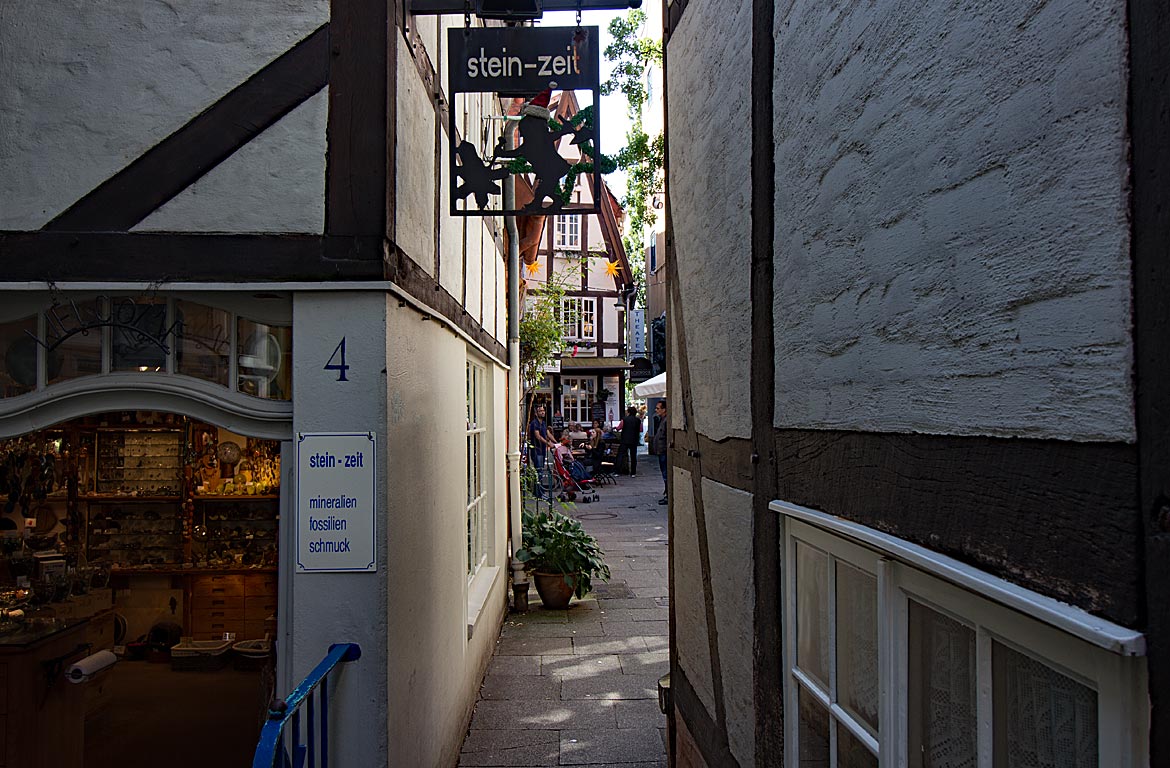
Bremen's oldest preserved neighborhood is the Schnoor. In earlier times, this area was primarily inhabited by fishermen and sailors, as it was here that the Balge - a tributary of the Weser - ran, and one of Bremen's first harbors was located. Many of the small houses date back to the 17th century or have been reconstructed based on historical models. The house at No. 15 in Schnoor Lane, built in 1402 on medieval foundations, is one of the oldest structures in the Schnoor, alongside the Packhaus (1401).
read more ...
A stroll through the Neustadt
The Alte Neustadt, as part of today's neighborhood, was only established in the 17th century. The planned expansion of the city was also prompted by the increasing threat posed by the development of offensive weapons. Remnants of the fortifications built at that time are still present today as parks, but there is much more to discover, such as the "Kleine Roland".
read more ...