
 exploring Bremen & its surrounding areas
 your are here: worth seeing in the surroundings
 Weltvogelpark Walsrode (World Bird Park) 1/2
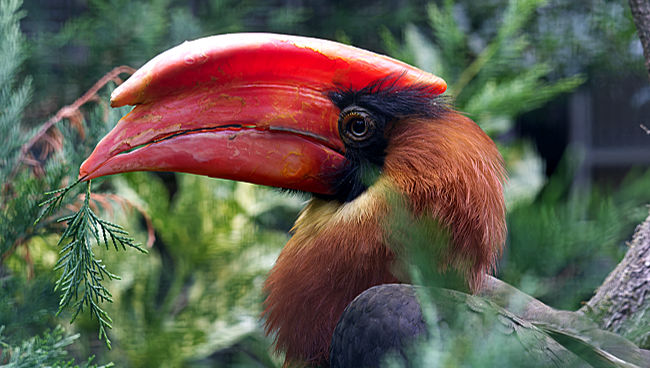
Only seen in Germany at Weltvogelpark: the Fireman Bird (Philippines)
The connection between Bremen and Weltvogelpark Walsrode is very practical by car. On the A27, you drive to Walsrode-West, then switch to the B209, and thus almost reach your destination in the municipality of Bromlitz near Walsrode. From Bremen central station, you cover the approximately 72-kilometer route in just under an hour if the highway is clear. For those who prefer traveling by train, the journey is more complicated. With the regional train, it first goes to Soltau, and after a transfer, continues to Fallingbostel, where bus 511 takes over the last part of the route. This requires planning for nearly two hours. And all this effort just to see birds - is it worth it? Definitely yes.
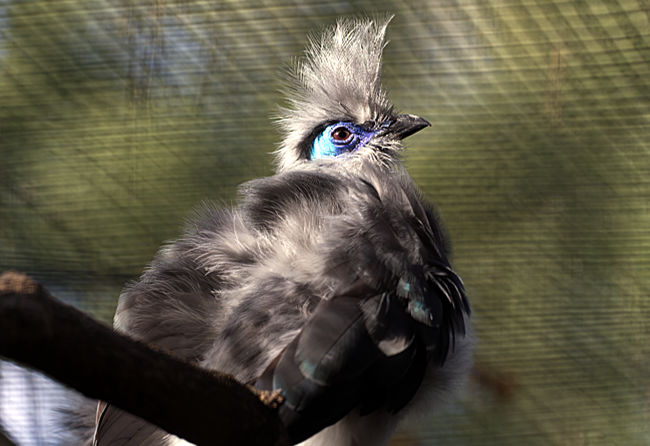
The Weltvogelpark can be proud: the world’s first breeding of Crested Silky Fowl, which are actually native to Madagascar
Weltvogelpark (World Bird Park) sounds ambitious, but in reality, the park in the Lüneburg Heath is the largest of its kind worldwide, and it has only carried the "World" addition since 2010. Over 4,000 birds, including very rare ones, live on the 24-hectare grounds, and the approximately 650 species come from all continents. On a much smaller area, the bird park was founded in 1962 as a private breeding station. Only a few years later did it expand into a park and gradually grow to its current size.

Blooming roses make the park attractive beyond just the birds
In addition to the many aviaries, houses, and enclosures with birds, there are 320 benches, planted flower beds with roses and other multicolored blooming plants, numerous rhododendrons, bushes, and trees, as well as several fountains. On the grounds also stands a post mill, which is part of the Lower Saxony Mill Road. Until 1966, the mill built in 1871 was operational. In 1975, the wooden structure was finally relocated from its original site in Ummeln near Algemissen to the bird park, where wings, roof, stairs, and exterior were renovated.
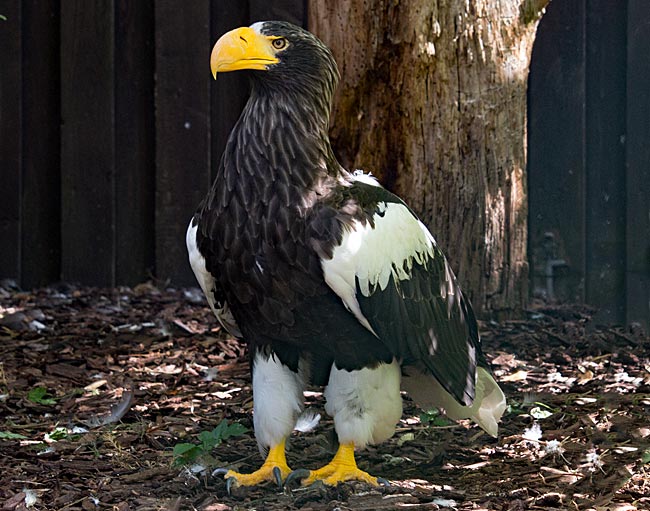
Steller’s Sea Eagle (Northeast Asia)
Included in the admission price for Weltvogelpark are regular feedings, such as those of birds of prey (except on Mondays). Visitor turnout is often high when a park employee arrives with an electrically operated vehicle. Equipped with a headset microphone, they then proceed to feed the large aviaries of Andean condors, goshawks, Steller’s sea eagles, and osprey. While the animals focus on dead chicks, rats, or fish, listeners at the parked vehicle learn more about these majestic creatures over the speakers.
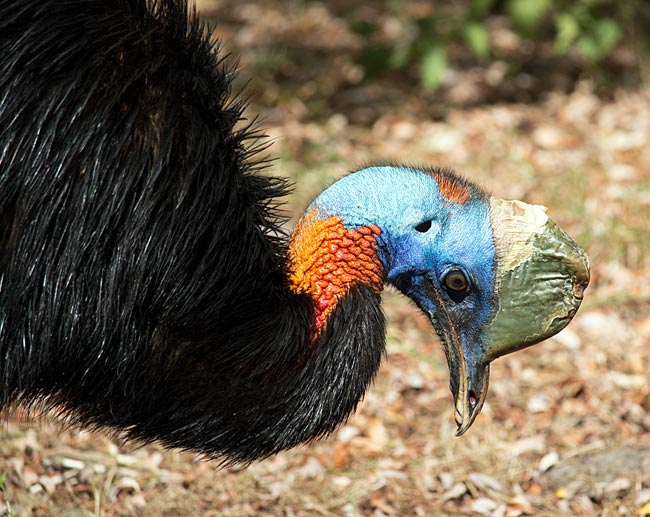
Rufous-bellied Bowerbird
The birds belong to the larger animals in the park, such as the flightless Rufous-bellied Bowerbird native to New Guinea in the adjacent garden enclosure. These shy birds attack with their sharp-clawed feet when threatened, which can also prove fatal for humans. Apart from baby birds, hummingbirds are among the smallest feathered inhabitants of the bird park. The care of these sensitive creatures, which can achieve up to 50 wingbeats per second, requires very special environmental conditions. But intensive and careful husbandry and observation in the Kolibri House opened in 2011 leads to success, as regular offspring shows.
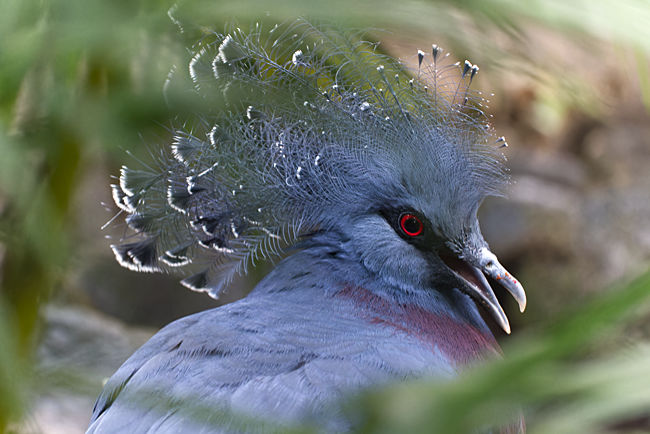
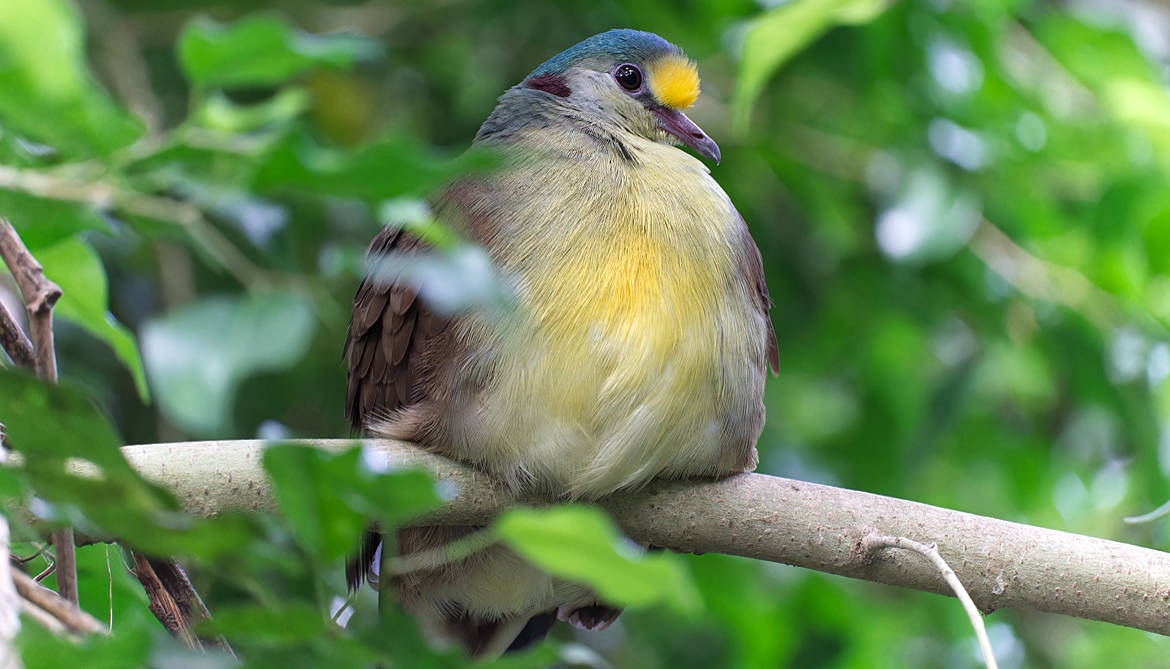
Victoria Crowned Pigeon on the Jungle Trail
Special conditions also prevail in the nearby Jungle Trail. In a tropically designed landscape with plenty of greenery and water, humans and animals largely encounter each other without separating grids. Sometimes you have to look closely to spot the animals.

Beautiful blooms can also be seen in the greenhouse
However, some examples of exotic flora are equally interesting, especially when they bloom. The Asian flair in this elaborately staged house is further enhanced by several statues, such as that of the Hindu elephant god Ganesha, who is worshipped in India.
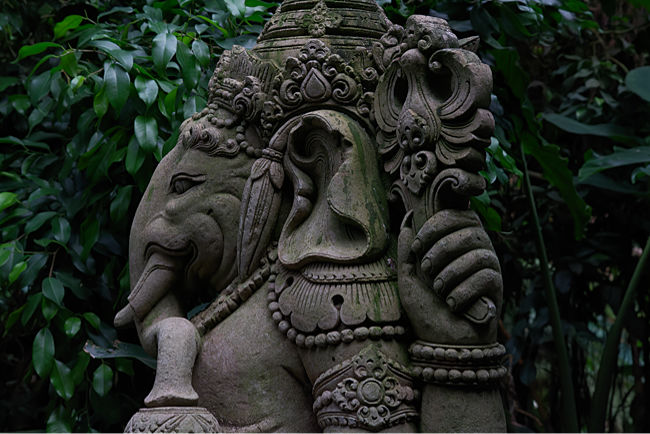
Statue of the Indian Elephant God Ganesha
You get even closer to birds in the 3000-square-meter bright open-flight hall. Here, as a visitor, you are surrounded by Red-billed Tropicbirds, Rosy-faced Lovebirds with their long beaks, and other species that here, as in their natural habitat, display courtship behavior, build nests, and brood. On-site, you can buy food and offer it to the animals. The scenery is accompanied by an unusual soundscape at this location, for in the rear separated area of the building, a wave machine creates waves that roll onto a small sandy beach. The seabirds here are delighted.
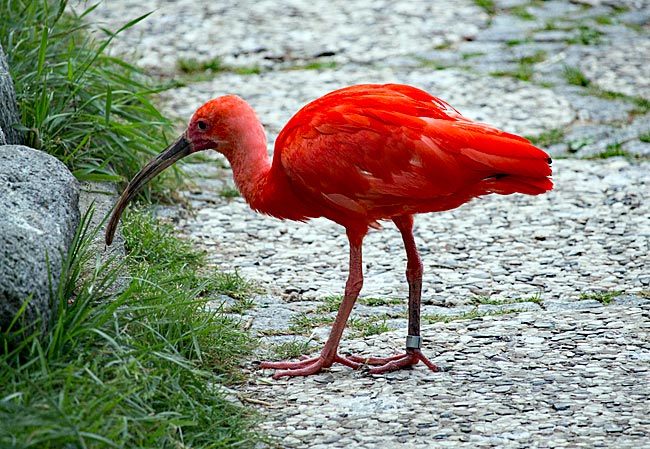
The Red-billed Tropicbirds in the open-flight hall are accustomed to human proximity
previous page
 next page
Map
Further information
Vogelpark Walsrode GmbH (Weltvogelpark Walsrode)
Am Vogelpark
29664 Walsrode, Germany
Phone: +49 (0)5161 6044-0
Email: info@weltvogelpark.de
www.weltvogelpark.de
Open daily from 10 AM to 7/8/9 PM (season-dependent)
Niedersächsische Mühlenstraße: www.niedersaechsische-muehlenstrasse.de
Impressions from the Weltvogelpark
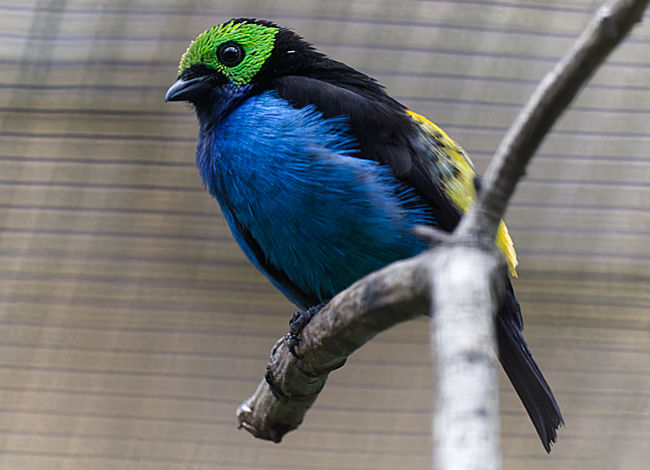
Paradise Stargazer
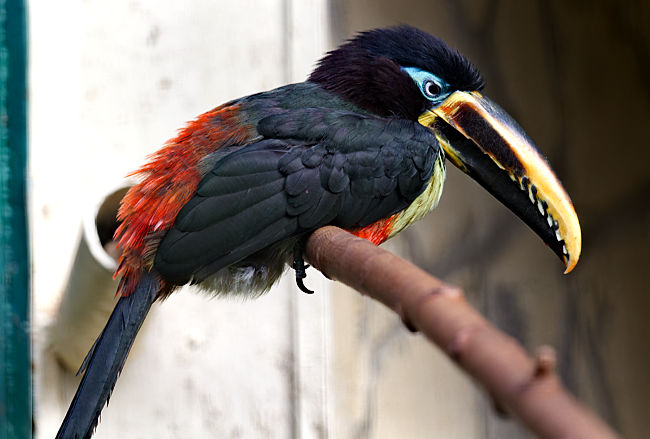
Hell's Beak Aracari
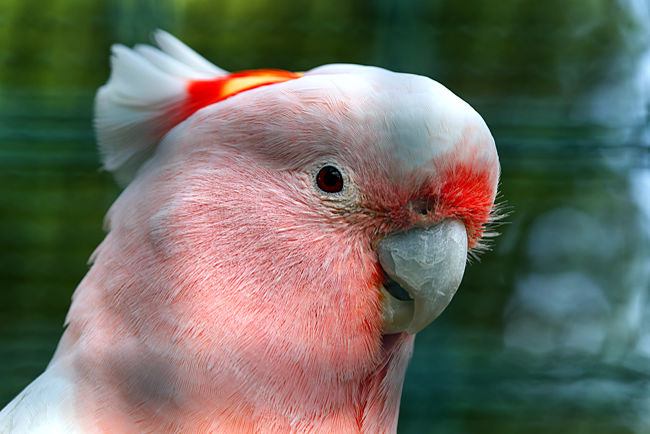
Spectacled Cockatoo
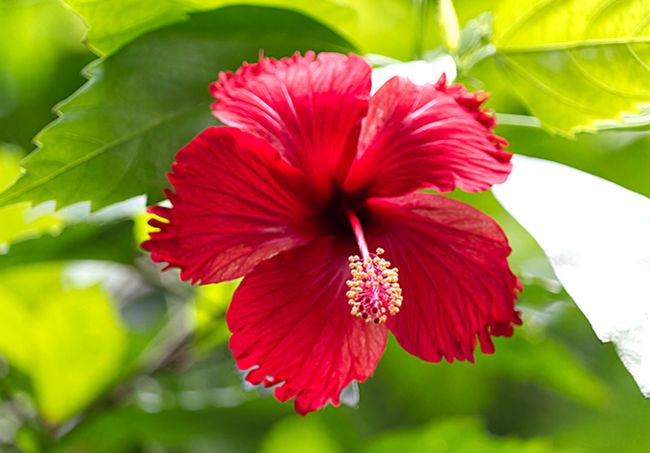
Floral Eyecatcher in the Tropical House
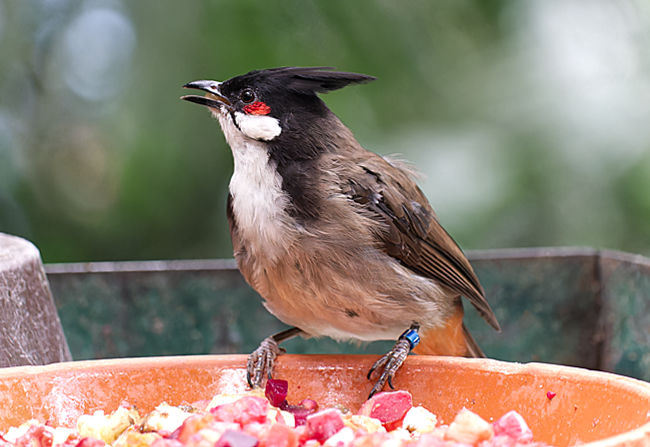
Always keeps an eye on its surroundings even while eating
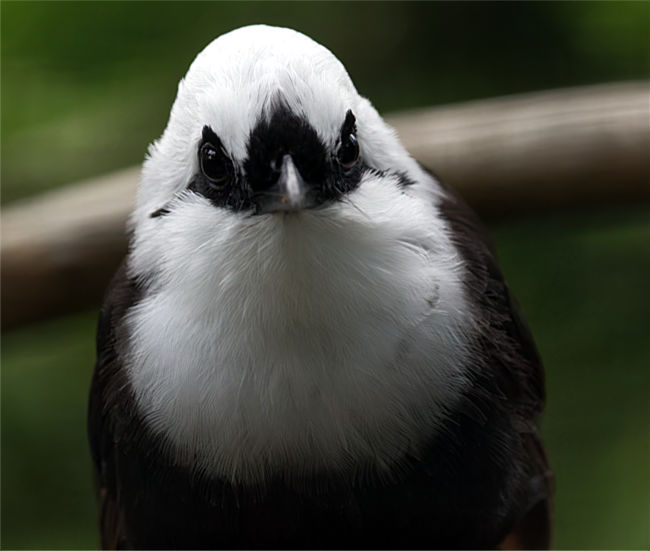
Black-and-white Shrike
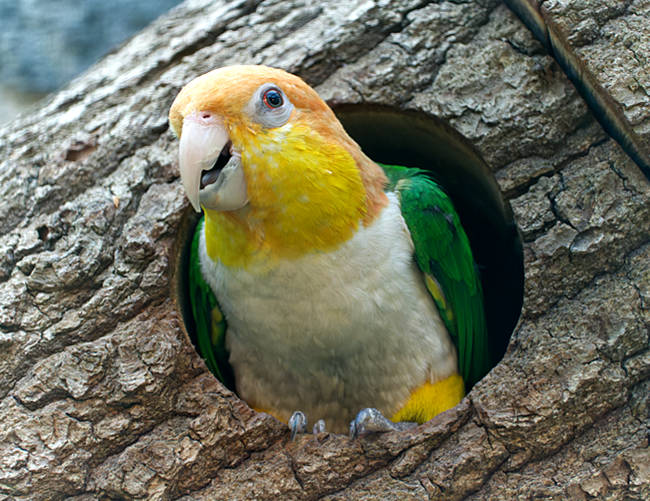
Hooded Parrot
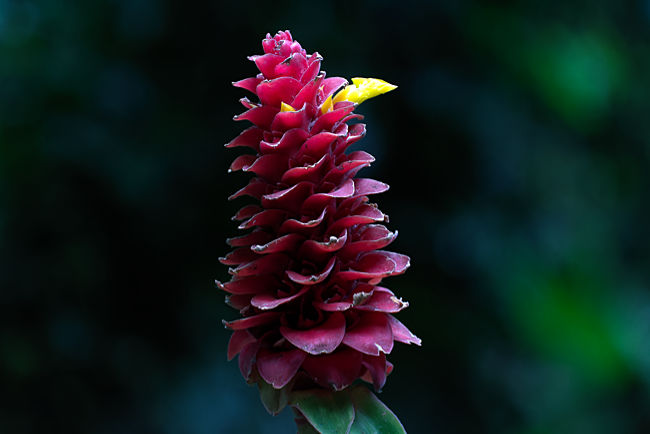
Exotic Blossom
Tip: Bremer Bürgerpark
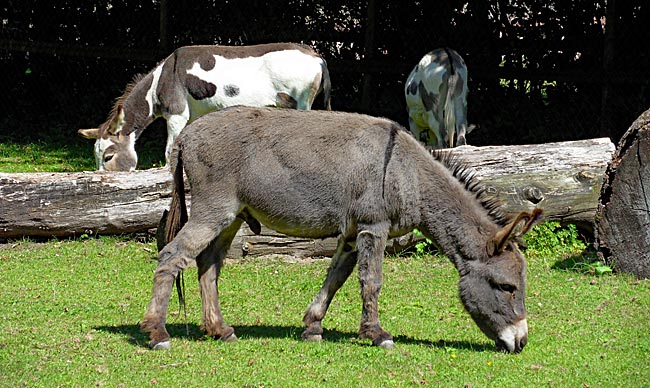
A green oasis near the city center and a popular recreational area, the Bürgerpark (Citizens' Park) is a highlight with its small zoo in the middle of the park. For several years now, mainly local animal and bird species have been on display here, such as red and fallow deer, mountain goats, sheep, Bentheimer pigs, and occasionally you can hear the peacock calling through the forest. A bit of remaining exoticism is provided by guinea pigs and zebus.
read more ...
Tip: Wolfcenter Dörverden
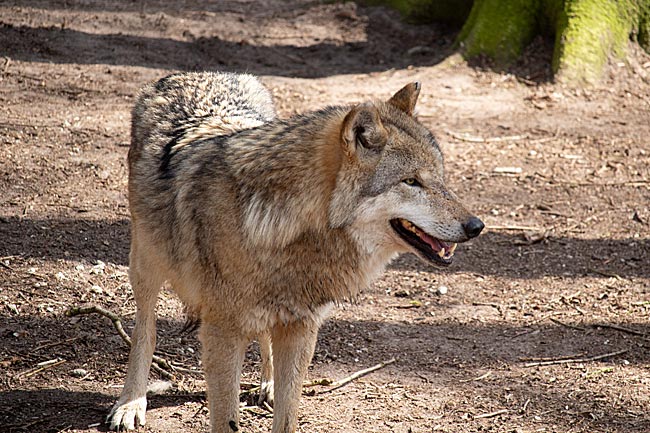
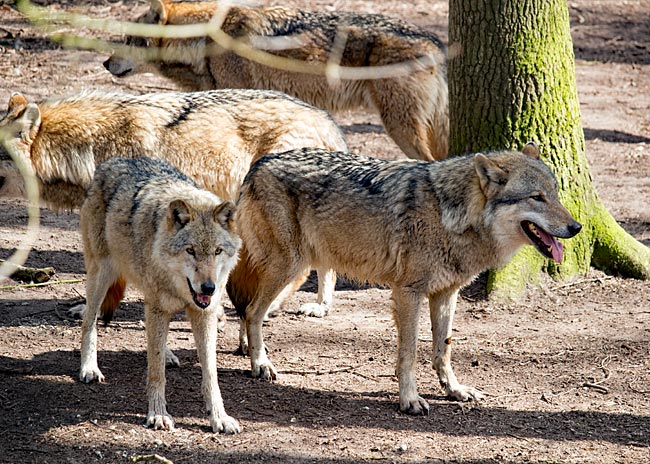
The goal of the Wolfcenter is to foster understanding for these animals through education - animals that are actually part of our local fauna. This is done with great expertise. The wolf is the largest predator in the dog family, and if a pack of wolves can take down an adult moose, then a human is a relatively small obstacle. However, humans do not belong in their prey scheme; conflicts primarily arise from situations involving competition for food.
read more ...
Tip: Zoo am Meer in Bremerhaven
Alongside the harbor facilities from the 19th century, the Zoo am Meer (Zoo by the Sea) is the oldest attraction on the site between the Weser River and the pedestrian zone; it opened as early as 1928 under the name "Tiergrotten" (Animal Caves). The enclosures house polar bears, seals, penguins, various bird species like gannets and keas, reptiles such as turtles, raccoons, Arctic foxes, pumas, monkeys, and others - nearly 50 animal species in total.
read more ...