
 exploring Bremen & its surrounding areas
 You are here: worth seeing in Bremerhaven
 Bremerhaven - Zoo am Meer (Zoo by the Sea)
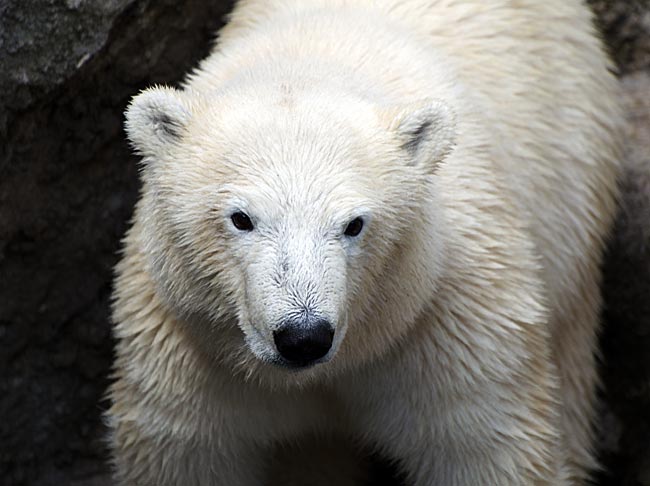
As cuddly as they are dangerous: Polar bear cub Lili at the Zoo at Sea
The location of the "Zoo by the Sea" is almost to be taken literally; while the entrance area lies on the dike crown, the site with the animal enclosures extends downwards almost to the water. However, this is not yet the sea, i.e., the North Sea, but the Weser estuary. But if you hold your nose into the wind, you can already smell the sea, and the "big ships" that sail across the world's oceans are within sight at one of Europe's longest container docks.

A newcomer in Germany: the raccoon
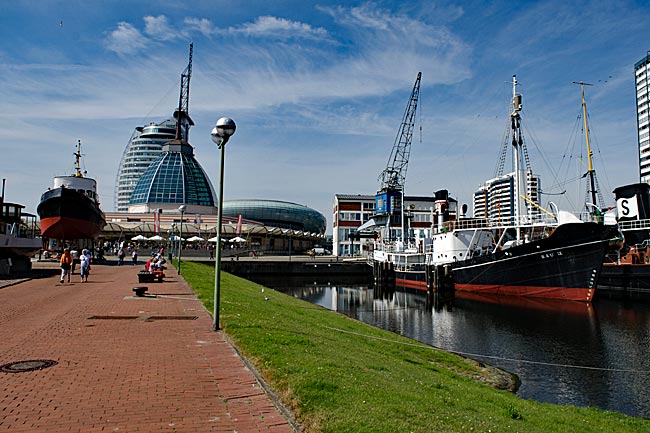
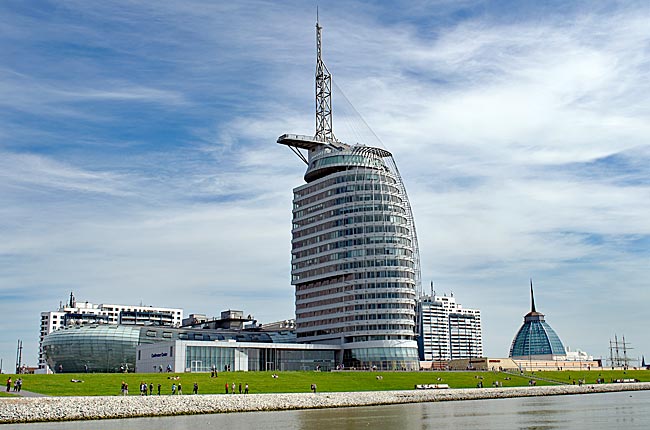
The zoo is part of Bremerhaven's architecturally and touristically most interesting district, Havenwelten, which largely took its current form in the first decade of the 21st century. Since 2008, the Atlantic Hotel Sail City with its 23 floors has dominated the skyline of the seaside city at this location. The German Emigration Center and the Climate House Bremerhaven 8° East also opened their doors during that decade.
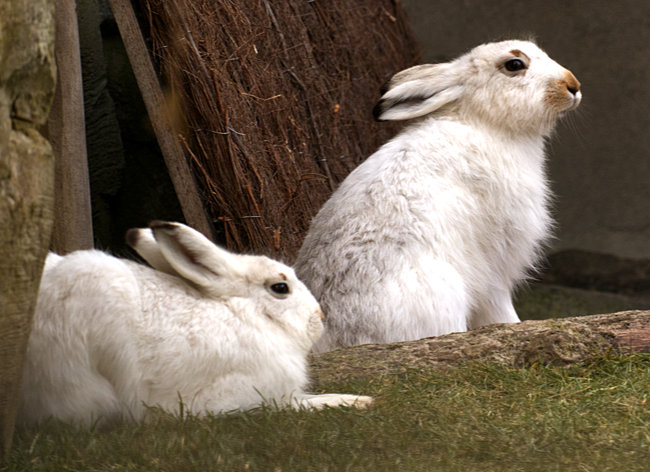
Snow hares
In addition to the 19th-century harbor facilities, the Zoo by the Sea is the oldest attraction on the site; it was opened as early as 1928 under the name "Animal Caves." The facility incorporated a seawater aquarium accessible since 1913 with North Sea wildlife in the cellar vaults of the beach hall.
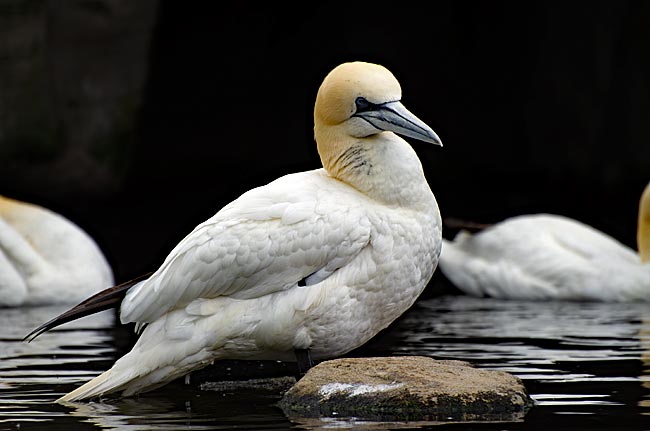
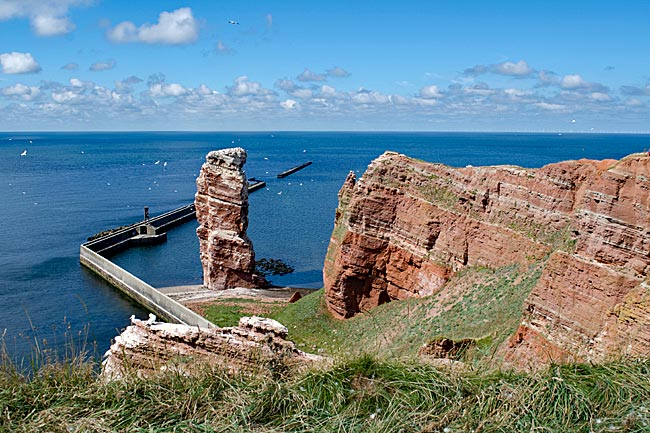
Only one of several bird species at the Zoo by the Sea is the gannet, which can also be observed on Heligoland in colonies on the red rocks
Back then as today, most of the animal inhabitants came from our latitudes or colder zones such as polar bears, seals, sea lions, and Humboldt penguins. They are still the biggest attractions for visitors, especially during feeding times or when, for example, polar bears have offspring, as has happened several times in recent years.
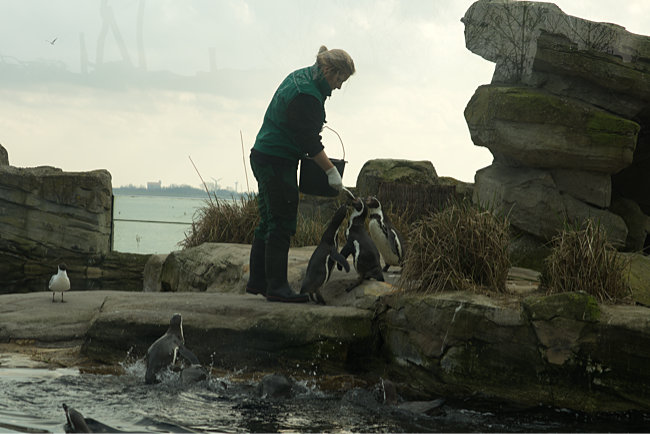
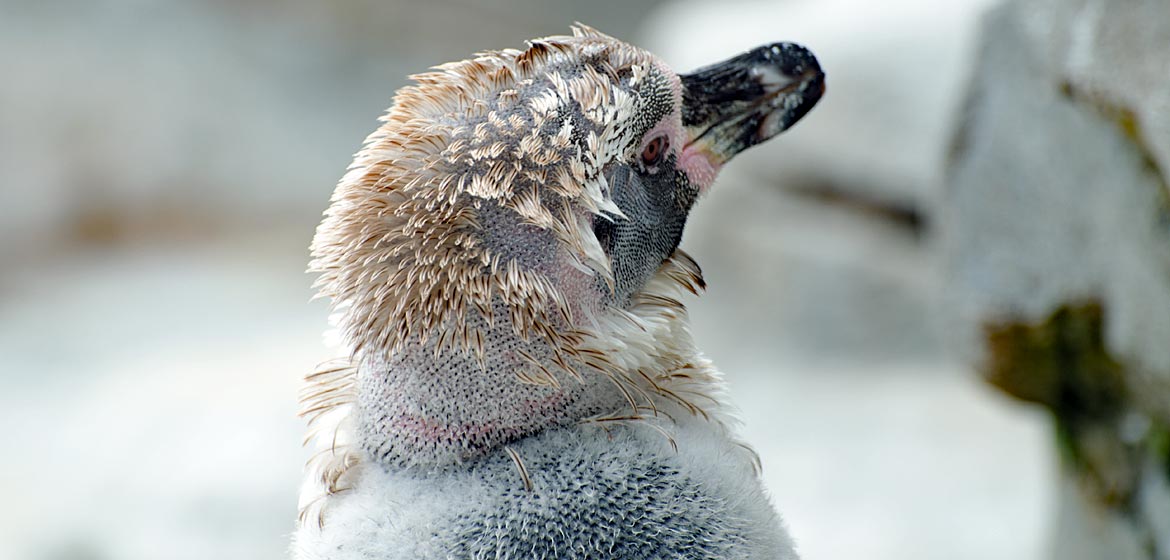
Photographed through a window: the feeding of the Humboldt penguins
The zoo's location so close to the water proved fatal to many animals when the great storm surge in February 1962 devastated large parts of the North Sea coast and also flooded parts of the facility. Many animals drowned or were crushed by collapsing wall sections.
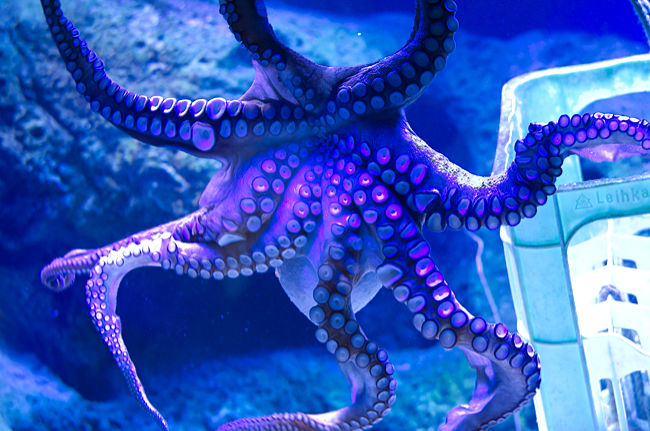
With its eight arms suctioned onto the aquarium glass: the octopus named Otto
At the beginning of the new millennium, the zoo's nucleus, the aquarium, was sold to the Baltic region, and the zoo itself was closed in 2001 for extensive renovation work. Originally, an aquarium was no longer planned, and after reopening in 2004, it was indeed not present. But the Zoo by the Sea, as it has been called since the 80s, without an aquarium? That just didn't work, and so a previously unused area under the polar bear enclosure was found for today's aquarium.
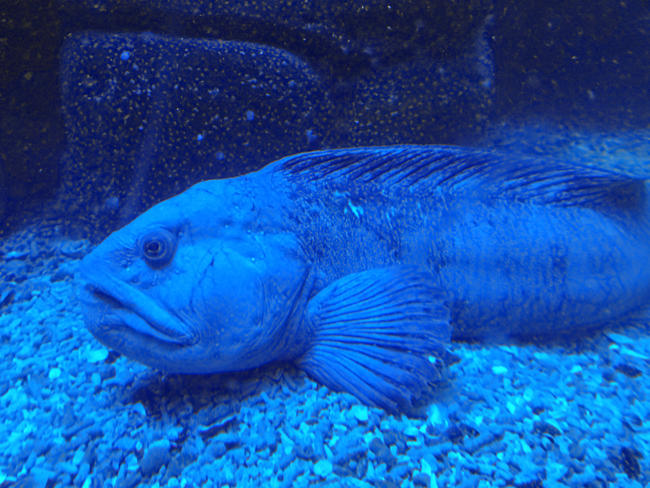
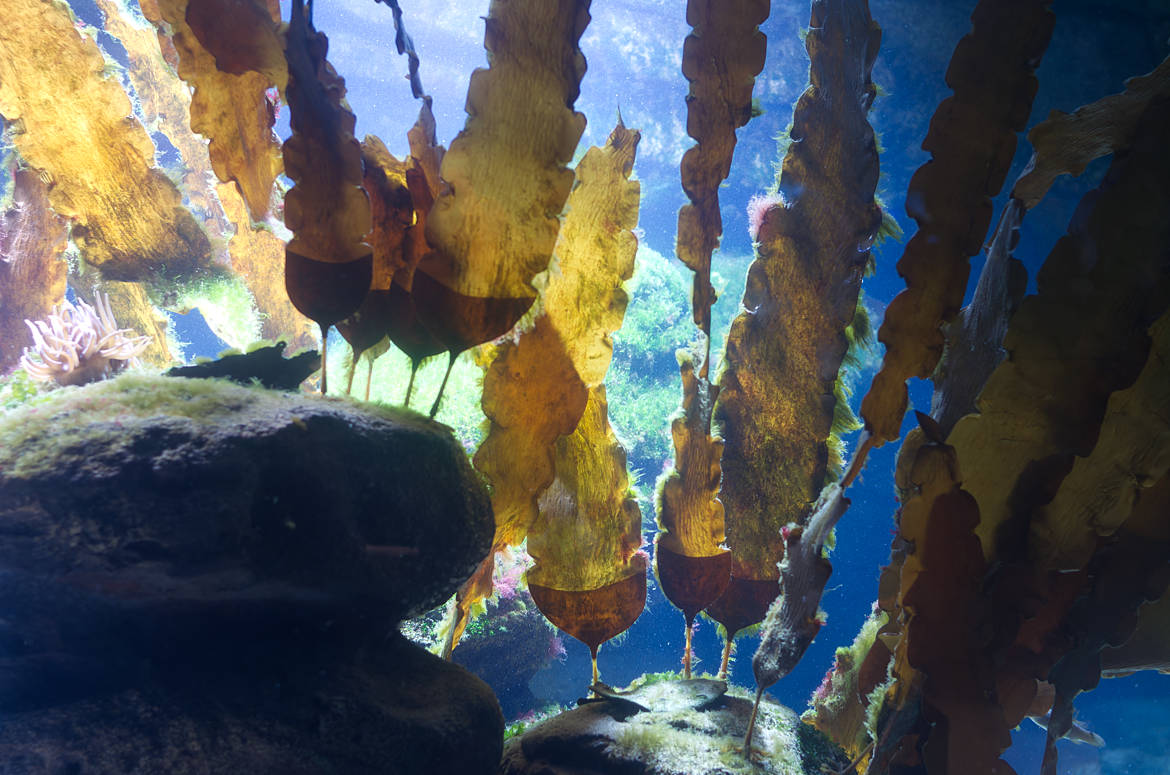
View into one of the aquariums
In the approximately 200,000 liters of saltwater, distributed among nine differently designed tanks, fish and other animals as well as water plants from the North Sea and Weser swim, such as eel and pikeperch, crabs, oysters, sturgeons, lobsters, seahorses, a squid, and many more.
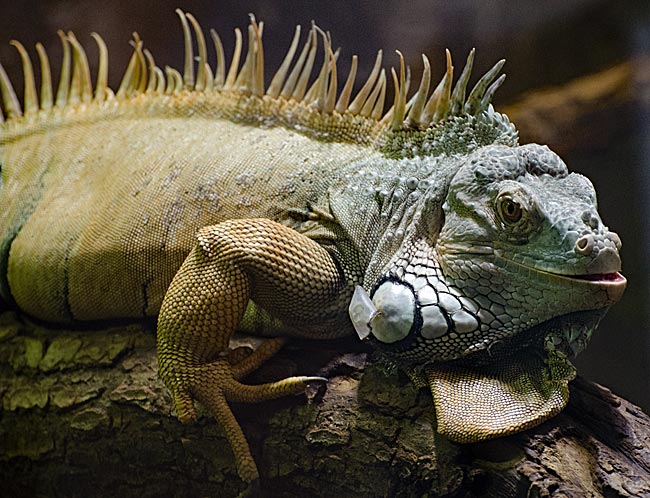
Exotic and like a relic from past times: a green iguana
In addition to the animals already mentioned, various bird species such as gannets and keas, reptiles such as turtles, raccoons, Arctic foxes, pumas, monkeys, and others live in the facility's enclosures - almost 50 animal species in total.
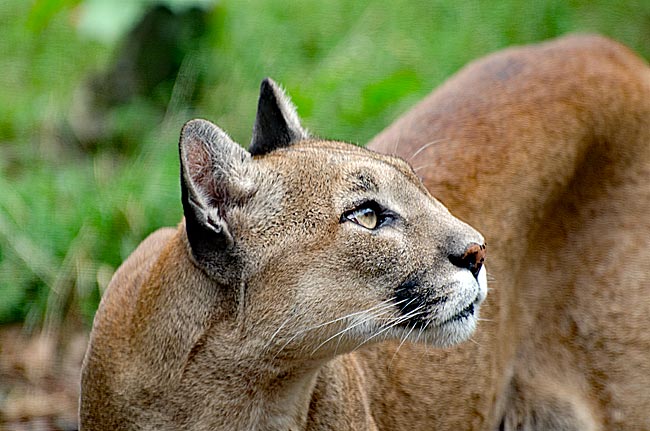
Only separated by a glass pane, you can stand face to face with the pumas
With the renovation, not only have the holding conditions for the animals improved, but the zoo has also gained significantly in attractiveness. Wire mesh was largely dispensed with in favor of glass panes, so that large and small visitors have an unobstructed view of the animals, sometimes even underwater into the large water tanks, such as those of the penguins and sea lions.
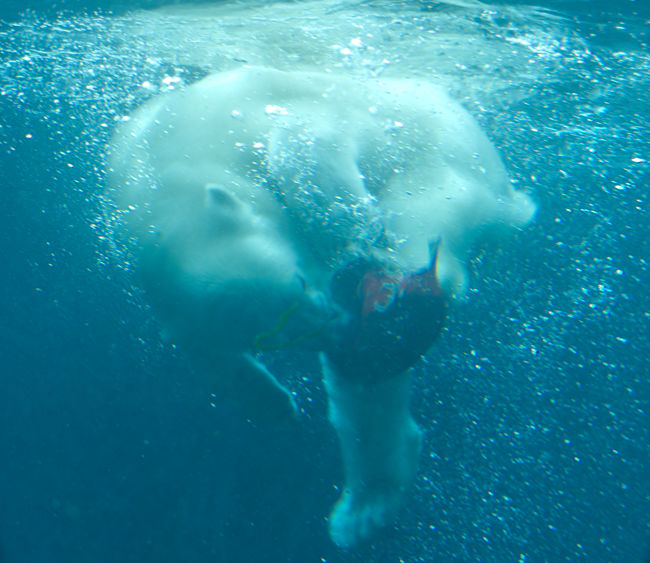
Ball play in a different way: the polar bear cubs live out their playful instincts underwater
Although the zoo is relatively small compared to many others, it still invites you to stay longer, as from the café on dike height with an outdoor area, you not only have a beautiful view over the zoo itself but also of the events on the Weser behind it. For families with children, the playground in the middle of the site offers itself as a play area.
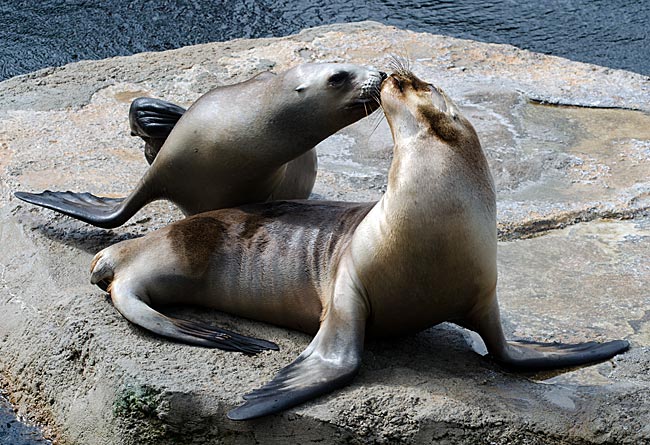
Sea lions among themselves
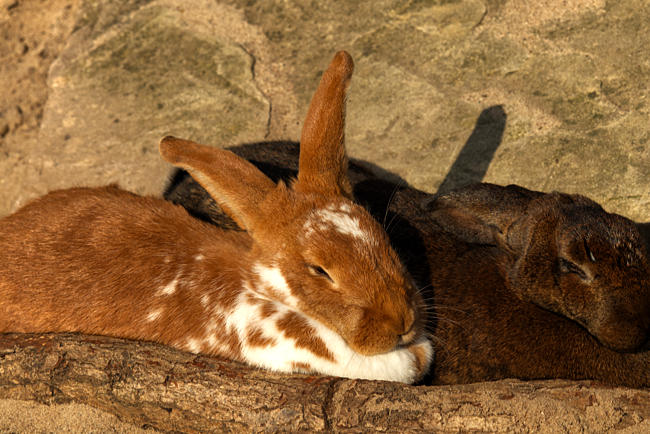
And with a bit of caution, small and large humans are allowed to pet some animals legally, such as these rabbits.
previous page
 next page
Map
Further information
Zoo am Meer Bremerhaven GmbH
H.-H.-Meier-Straße 7
27568 Bremerhaven
Phone: +49 (0) 471 / 308 41 41
Fax: +49 (0) 471 / 308 41 35
Email: info@zoo-am-meer-bremerhaven.de
www.zoo-am-meer-bremerhaven.de
Open: April to September: 9:00 AM – 7:00 PM, March and October: 9:00 AM – 6:00 PM, November to February: 9:00 AM – 4:30 PM. Ticket office closes 30 minutes before the zoo closes. On December 24th and 31st, open from 9:00 AM to 12:00 PM. Regular opening hours apply on all other public holidays. Family Day every Monday.
Bremerhaven in general
Bremerhaven was only founded in 1827. To secure Bremen's status as a port city amid the threat of the Weser - Bremens lifeline - silting up, Bremen acquired 342 acres (morgen) of land from the Kingdom of Hanover for 74,000 talers under then-mayor Johann Smidt. About 60 km downstream from Bremen, this land became home to the first urgently needed seaport built by Bremen: the so-called Old Harbor, completed by 1830.
read more ...
Bremerhaven Havenwelten
Since early 2008, Bremerhaven has not only had a new tallest building but also a new landmark in its Weser-side skyline with the ATLANTIC Hotel SAIL City, which rises 147 meters directly behind the Weserdeich. Architecturally, the structure perfectly embodies a maritime city - it stands like a powerful, rounded ship's superstructure. On the 20th floor, at a height of 77 meters, there is an observation deck (SAIL City) that is also accessible to non-guests.
read more ...
Bremerhaven - Schaufenster Fischereihafen (Fishery Harbor Showcase)
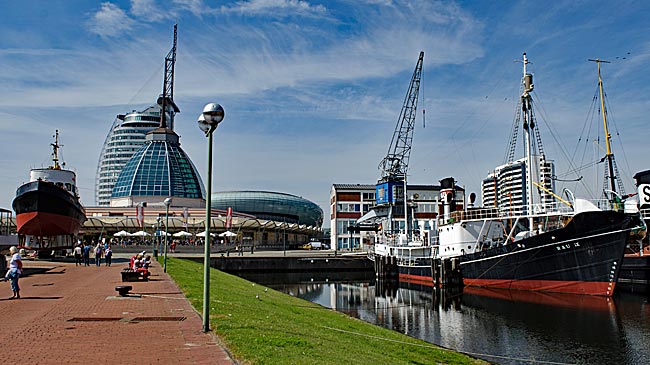
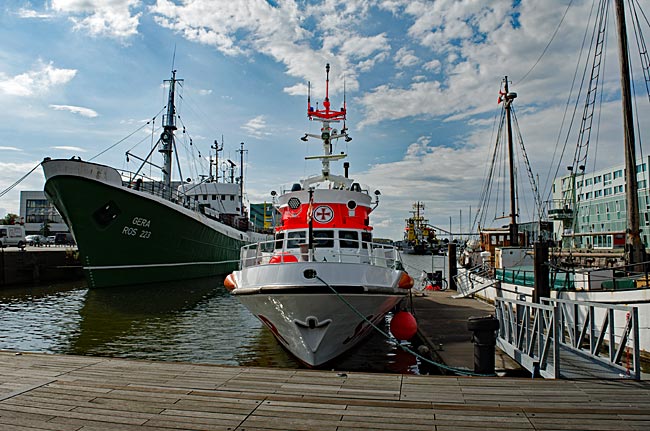
Away from the Havenwelten and older than both the Emigration Center and Klimahaus is the "Fishery Harbor Showcase." In fact, the Fishery Harbor was originally Geestemünde's deep-sea fishing harbor, built between 1891 and 1896. After a period of decline and decay - including partial demolitions - the idea emerged to transform the area into a maritime experience world. In 1990, efforts began to restore Fish Packing Hall IV, the oldest surviving hall, which had been slated for demolition just shortly before.
read more ...
German Emigration Center Bremerhaven (Deutsches Auswandererhaus®)
Opened in 2005, the German Emigration Center® vividly and engagingly presents the history of emigration to America across five eras, spanning from 1830 to 1974. In total, 7.2 million people departed from Bremerhaven to seek a new home and build a new life beyond the Atlantic. For its emotionally compelling and historically grounded exhibition, the museum received the European Museum Award in 2007.
read more ...
Klimahaus® Bremerhaven 8° Ost
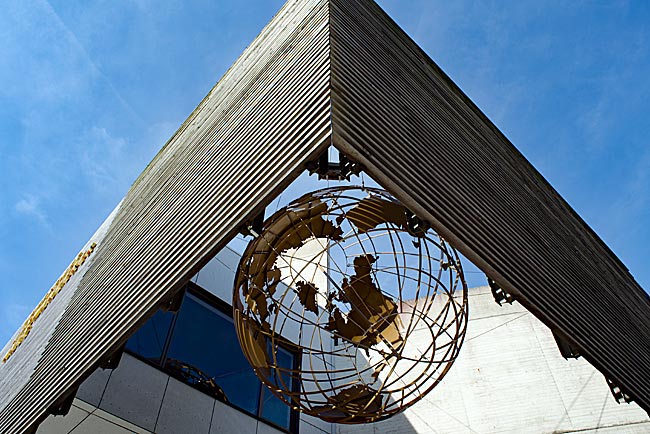
In this futuristic building, visitors embark on a journey along the 8th meridian east, traveling around the globe through all climate zones. Across multiple levels, there is plenty to read, see, hear, and experience sensorially and tactilely about climate and its impact on local nature and human life. Visitors are not limited to being passive observers but are invited to actively engage with numerous exhibits.
read more ...
Bremerhaven - Überseehafen (Overseas Port)
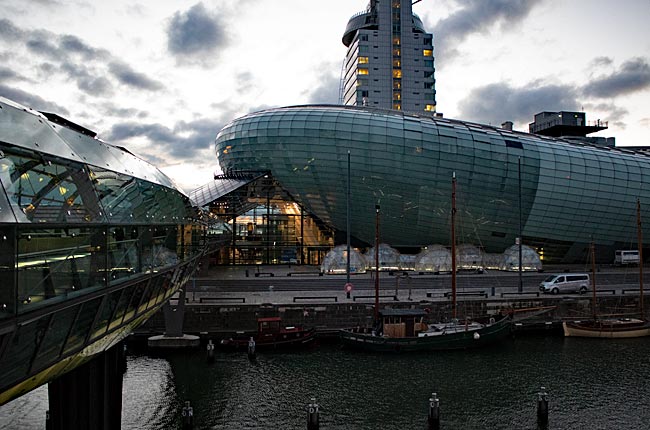
In addition to the Old Harbor (now the Museum Harbor), which was the first to be built, other ports were later added. Adjacent to the New Harbor lies Kaiserhafen I, the first in a series of additional harbor basins. Even a glance into this initial section of the expansive port area reveals a different world of maritime activity - one of large ships. And we will see even larger ones along the five-kilometer-long quay on the Weser.
read more ...
SAiL Bremerhaven
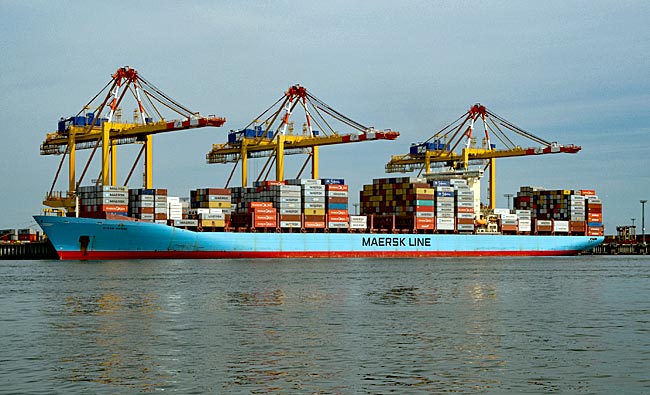
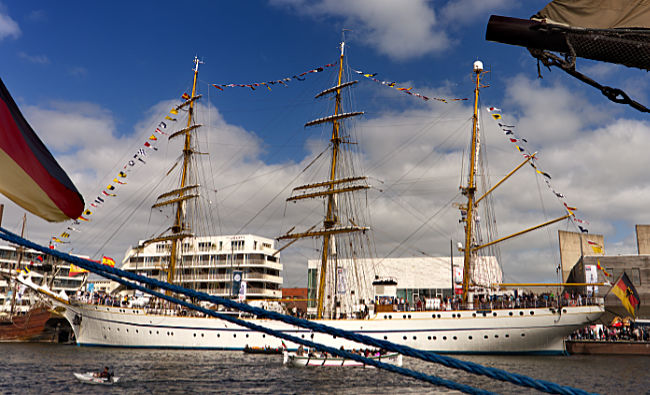
When SAiL Bremerhaven takes place, the port city becomes an even more international stage than it already is, both in terms of participants and visitors, who exceed ten million over the five days of the event. Unlike the usual focus on cargo ships at the container terminal and cruise ships at the cruise terminal, this time - true to its name - the spotlight shifts primarily to sailing ships. In total, 250 vessels were attracted or involved in the SAiL, which returned for the first time in ten years in 2025.
read more ...
DGzRS - The Maritime Rescuers
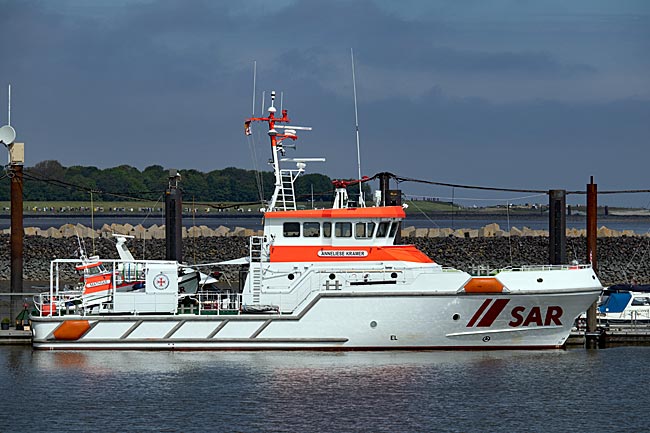
Anyone in distress at sea today has far better chances of receiving help, even out on the open water, thanks to modern technology and professionals who take care of it. Along Germany’s North and Baltic Sea coasts, these are primarily the approximately 1,000 full-time and volunteer men and women of the DGzRS (German Maritime Search and Rescue Service), also known as "The Maritime Rescuers." In 2020 alone, they conducted 1,720 operations and rescued 357 people. Since its founding, the organization has helped 86,000 individuals.
read more ...
Neu-Helgoland (New Heligoland) / Hamme Harbor Worpswede
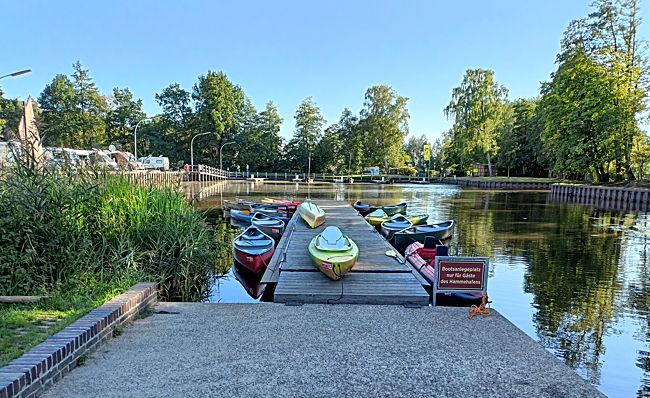
From April to October, the Hamme Harbor in Worpswede attracts many day visitors, weekend trippers, cyclists, and campers. The campsite operators run not only a bistro & beer garden with waterside seating but also rent out kayaks and canoes. Those who don’t want to paddle on the Hamme themselves can instead book an excursion trip aboard one of the Adolphsdorf Peat Boats. Food and drinks are also available just a few meters from the harbor at "Hamme Hütte Neu Helgoland." Tip: A great bike trip destination from Bremen!
read more ...
Cuxhaven - a day trip
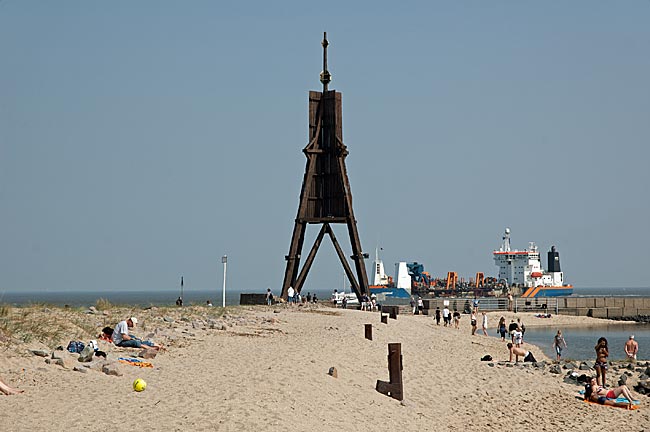
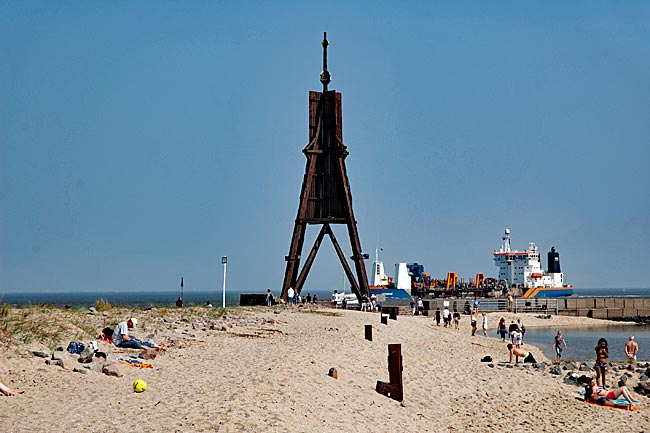
Many people from Bremen consider the seaside resorts of Cuxhaven to be "their home beach." The coastal city at the mouth of the Elbe is easily accessible from Bremen by car via the A27, which passes by Bremen and Bremerhaven before ending in Cuxhaven. By train, the journey takes a bit longer with a transfer in Bremerhaven. However, even in the off-season, Cuxhaven with its seaside resorts is a great destination for an outing - for example, by bicycle.
read more ...