
 exploring Bremen & its surrounding areas
 your are here: worth seeing in the surroundings
 Wolfcenter Dörverden (1/2)
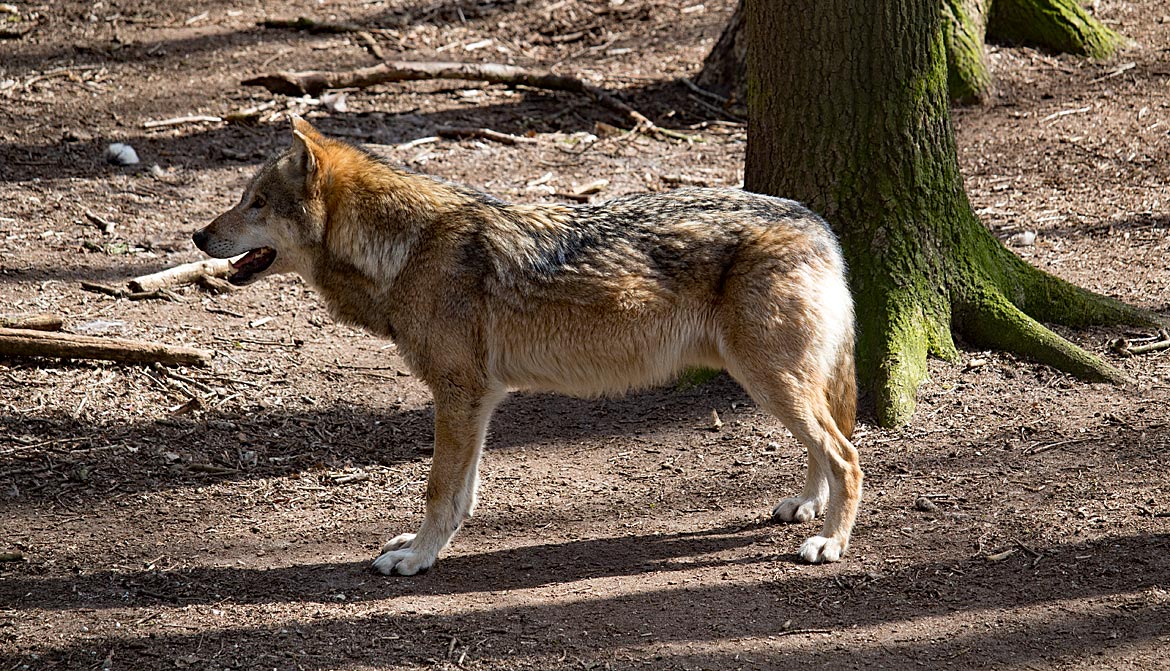
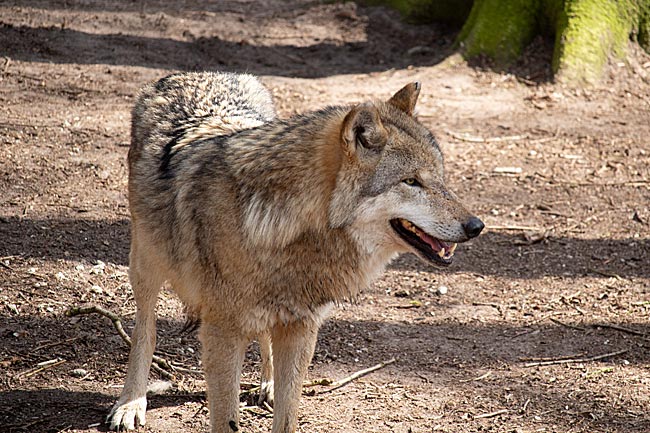
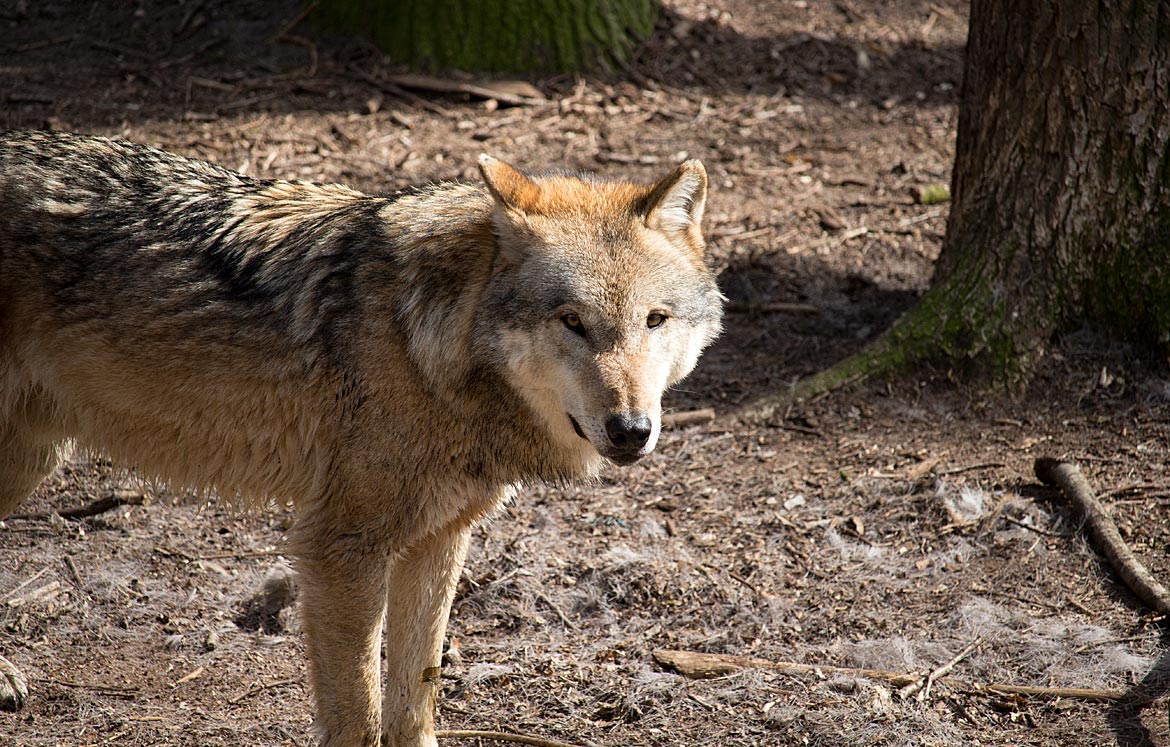
Gray Wolves (also known as Eurasian or European Wolves)
Night has fallen, the moon is full in the sky, and the otherwise friendly neighbor literally loses his temper while his stature and posture change rapidly, fur grows all over his body within minutes, and his head transforms into that of a wolf. What often follows in numerous horror films after a man's (and far less commonly a woman's) transformation into a werewolf resembles a bloodbath with much gore and numerous deaths. Films exploring this theme, such as "An American Werewolf in London" from 1981, have existed since the silent film era and continue to the present day.
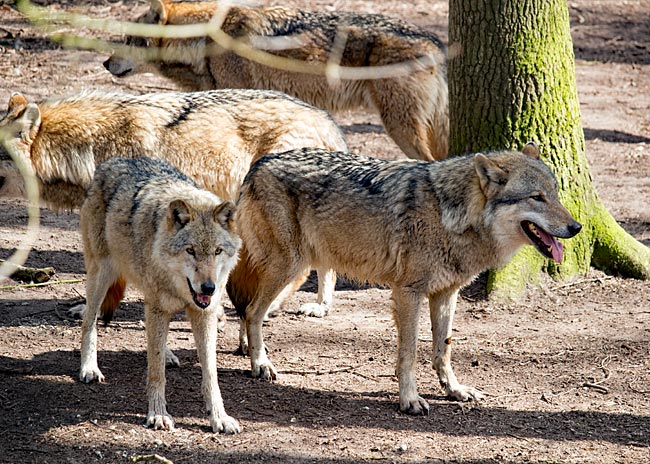
In the wild, encountering a group of wolves would be rather accidental
But these films were not what demonized the wolf (Canis lupus). Instead, they addressed a much older theme that has long haunted human myths and legends, eventually leading to the near extinction of these predators in some regions. Stories about humans transforming into wolves (Greek: lycanthropy) date back to before the birth of Jesus. Even in the Old Testament, the wolf appears as a symbolic embodiment of evil - for example, representing the threat to the flock of the good shepherd. It is therefore no surprise that during the witch hunts, which lasted around 300 years from the mid-15th century and brought violent and cruel deaths to thousands - witches, heretics, and other dissenters - people were also executed as alleged werewolves.
Wolves were even considered carriers of the plague, and from the Middle Ages onward, they were mercilessly hunted in Germany, while far less attention was paid to the actual hosts of the deadly fleas - the rats - that primarily spread in cities. While wolves were native throughout Germany until the Middle Ages, the region was considered wolf-free after the killing of the last wolf in Westphalia around 1850 - and remained so for about 150 years. Despite the protection of these animals across all of Germany following reunification in 1990, it wasn’t until the year 2000 that a pair migrated from Poland and settled in Saxony. The two did not remain alone for long. Their offspring and newly immigrated animals have since spread further throughout Germany. If necessary, they can cover up to 70 kilometers in a single day - for example, while searching for a mate.
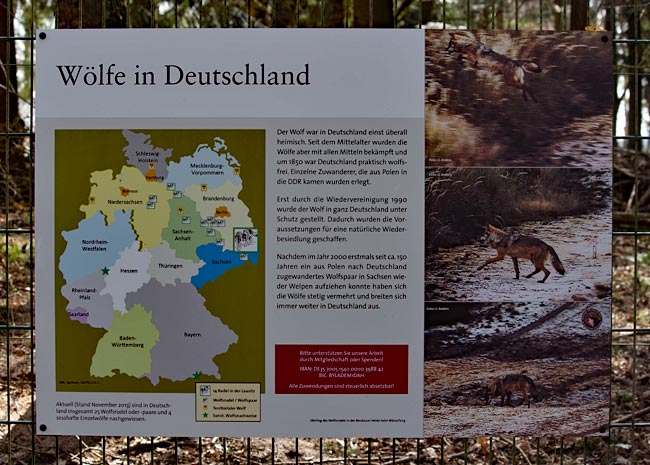
Information boards provide details during a guided tour
However, conflicts between wolves and humans occasionally arise - such as when unprotected sheep herds are attacked. A deeply rooted fear in many people’s minds leads them to reflexively demand that the wolves be shot before something worse happens - for example, the wolf eating Little Red Riding Hood’s grandmother while she isn’t there in time ... But during one of the regular informative and engaging guided tours past the enclosures on the approximately 5-hectare grounds of the Wolf Center in Dörverden, opened in 2010, visitors learn that wolves are actually shy animals whose prey primarily consists of deer, elk, and wild boar.
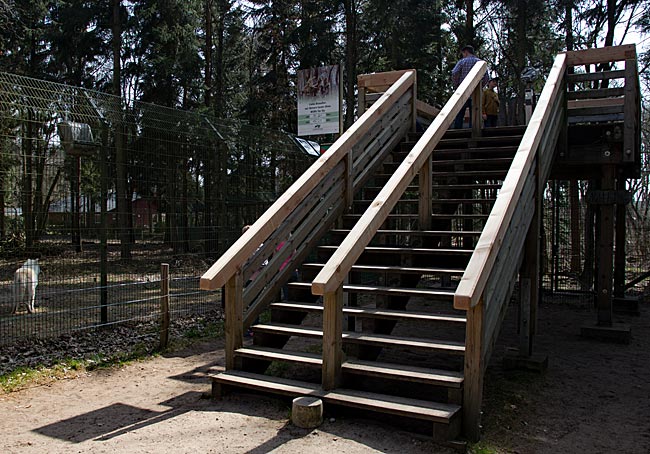
From observation platforms, the animals can be well observed
So no reason to worry? The Wolf Center doesn’t go quite that far either but instead points to suitable defensive or protective measures - such as more than 2 meters high fences that must extend into the ground since wolves are more likely to dig under a fence than jump over it - or so-called livestock guardian dogs, which see a herd as their family and protect it, even capable of killing a wolf. However, these measures are not always feasible due to location-specific or financial reasons, as is also known at the Wolf Center, which shows understanding in such cases. If a person unexpectedly encounters a wolf in the wild, they should never run away quickly, as this would awaken the animals’ natural hunting instinct.
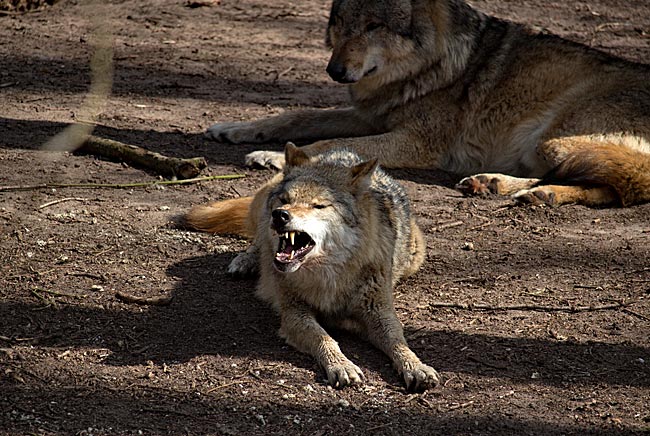
As their words are digitally amplified and clearly audible via wireless headsets from speakers placed along the tour route, our guide stands in one of the enclosures, scratching the head of one of the wolves that has come over. Meanwhile, two male animals behind her loudly assert their dominance with impressive displays of their teeth. These European gray wolves are hand-raised, which explains their lack of fear around such a comparatively large number of people. And indeed, both sides observe each other with curiosity and relaxation. The five adult wolves form a group of siblings from the same litter - not a pack led by parent animals - our knowledgeable guide explains in a calm voice before we follow her to the next station.
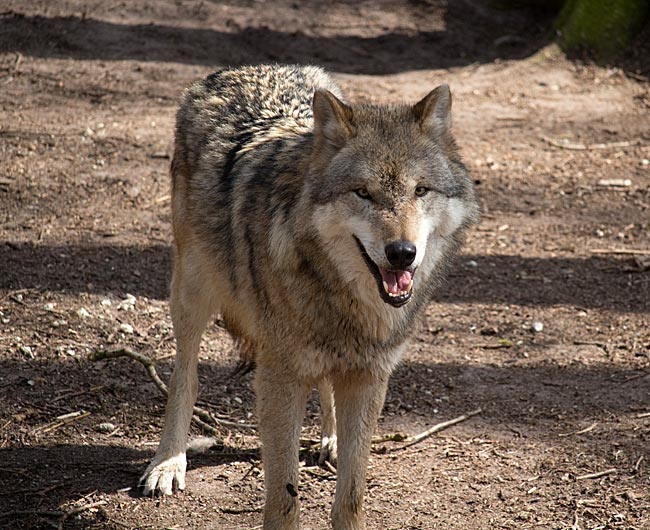
Despite their resemblance to a domestic dog, a wolf remains a predator
The sole female weighs about 27 kilograms, while her brothers exceed 40. On the first truly warm spring day of the year, it must be quite hot in their winter coat, as one takes a quick bath among the loudly croaking frogs in the small pond.
previous page
 next page
Map
Further information
wolfcenter
Kasernenstraße 2
27313 Dörverden
Phone: +49 (0)4234 94311-0
Email: info@wolfcenter.de
www.wolfcenter.de
TreeInn - The Treehouse Hotel
Kasernenstraße 2
27313 Dörverden
Phone: +49 (0)4234 4999586
Email: info@tree-inn.de
www.tree-inn.de
Impressions
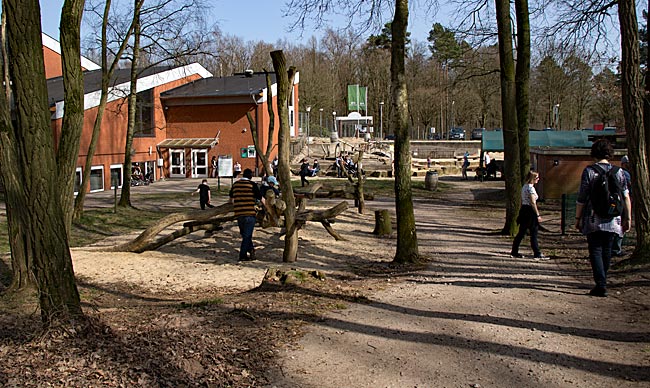
View over part of the outdoor area
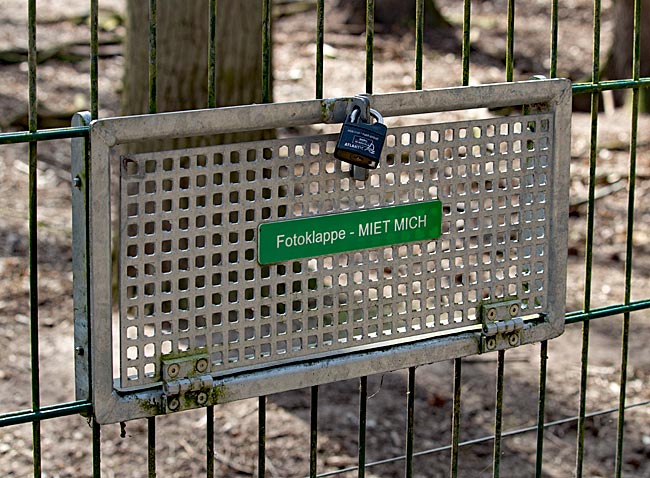
... and only for the camera lens
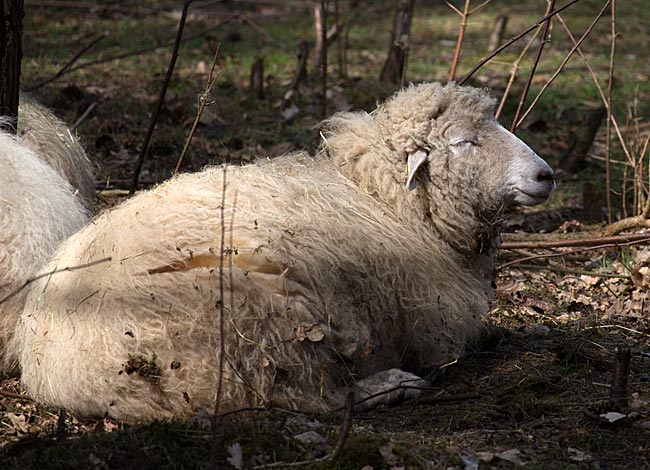
No, not live prey for the wolves
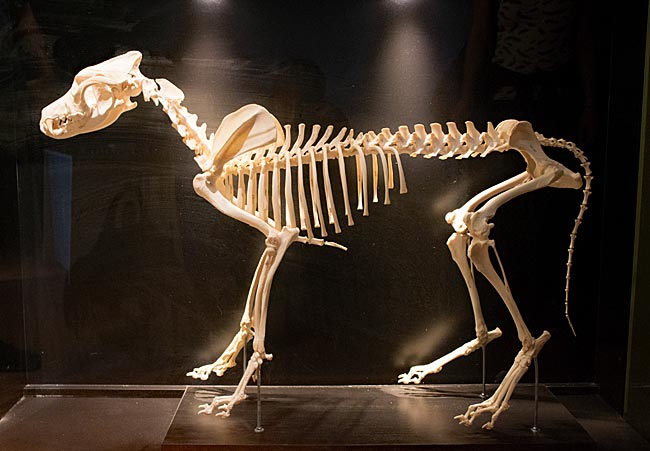
Wolf skeleton in the exhibition room
TIP: Bremerhaven - Zoo am Meer (Zoo by the Sea)
In addition to the 19th-century harbor facilities, Zoo am Meer is the oldest attraction on the site between the Weser River and the pedestrian zone, having opened in 1928 under the name "Tiergrotten". The zoo's enclosures house polar bears, seals, penguins, various bird species such as gannets and keas, reptiles like turtles, raccoons, Arctic foxes, pumas, monkeys, and others - nearly 50 animal species in total.
read more ...
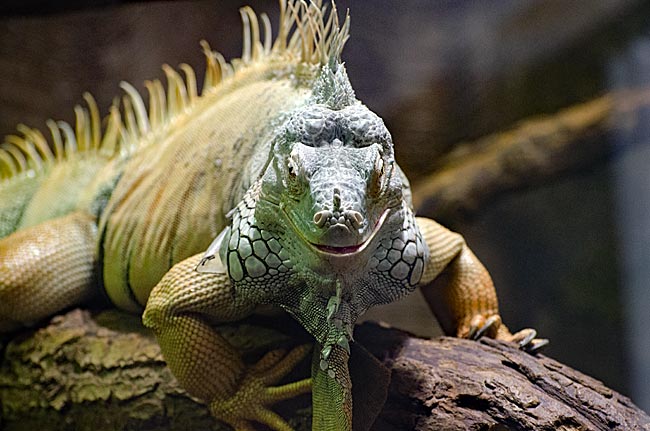
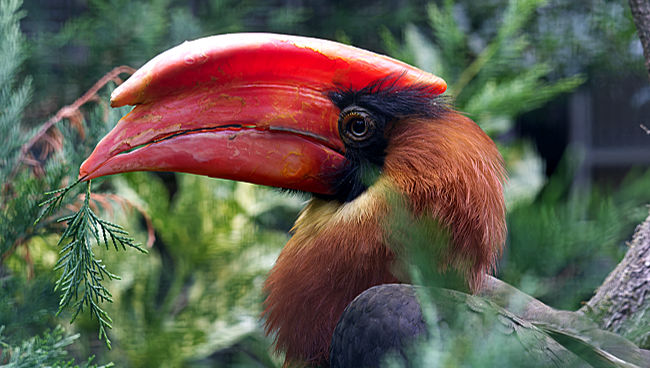
TIP: Weltvogelpark Walsrode (World Bird Park)
The name Weltvogelpark sounds ambitious, but in fact, this park in the Lüneburg Heath is the largest of its kind in the world - and it has only carried the "World" addition since 2010. Over 4,000 birds, including many rare species, live on the 24-hectare grounds, representing around 650 different species from all continents. The bird park was founded in 1962 as a private breeding station and later expanded into a full-fledged park. It’s a highly recommended day trip for the whole family.
read more
...