
 exploring Bremen & its surrounding areas
 You are here: worth seeing in Neustadt district
 Walter-Stein Observatory & Olbers Society & Olbers Planetarium
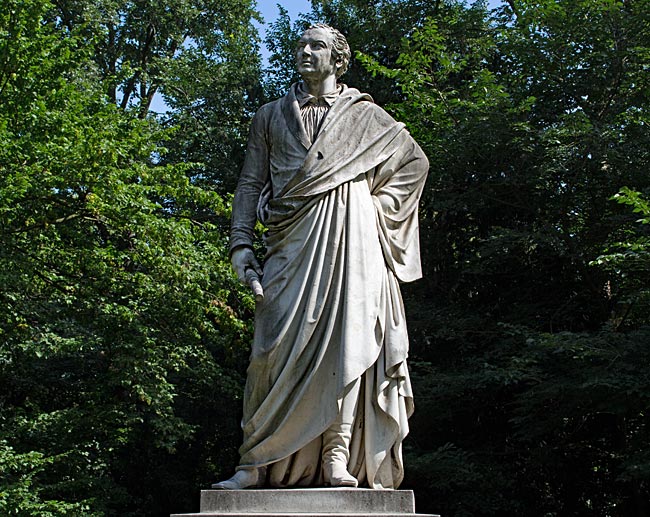
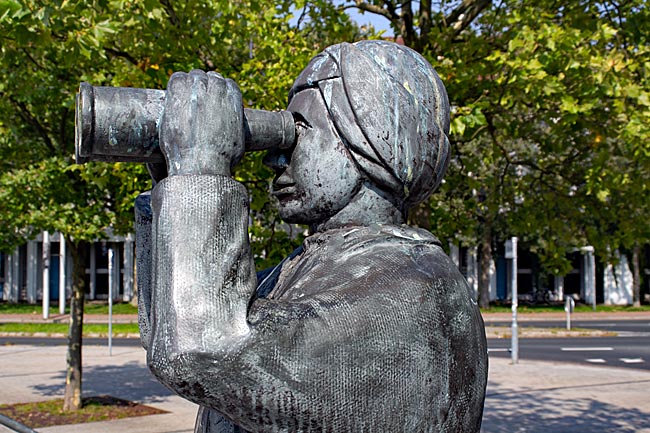
Olbers Monument on the Wall at Theater Hill
Before the first human left Earth's surface in any kind of aircraft and ascended into the sky, generations before him had observed it for thousands of years. In Bremen, one such observer was the physician and astronomer Heinrich Wilhelm Olbers. He was born in 1758 in Arbergen, a present-day district of Bremen, and died in 1840 at the age of 82 in the Hanseatic city. His grave can still be found today among other local dignitaries at Riensberger Cemetery.
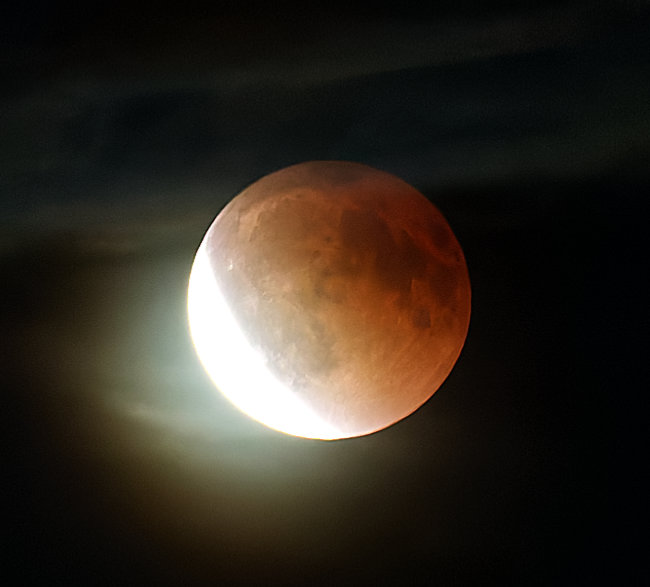
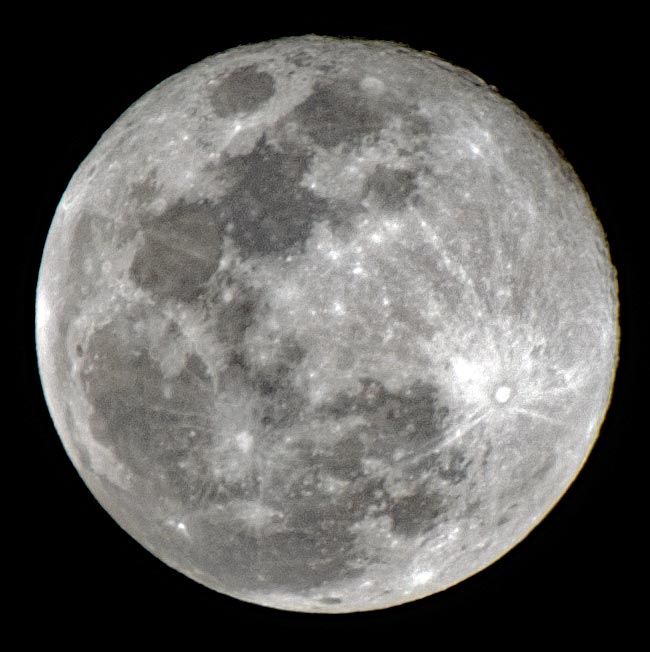
On September 7, 2025, a blood moon could also be observed in the sky over Bremen
During his time as an astronomer, he discovered the asteroids Pallas and Vesta in the asteroid belt in 1802 and 1804, as well as six comets. He worked on methods for calculating the orbits of celestial bodies and formulated Olbers' Paradox. In short, the paradox is based on a model that assumes a relatively uniform distribution of stars or multiple suns in an infinite universe. From this, it was deduced that the light from these stars would reach Earth - and thus illuminate the sky at least as brightly - after a sufficiently long time corresponding to their distance. According to this assumption, the night sky should never darken due to unlimited illumination of Earth. It is paradoxical that it does get dark. Olbers assumed that the emitted light was only prevented from penetrating far enough by dust and gas clouds.
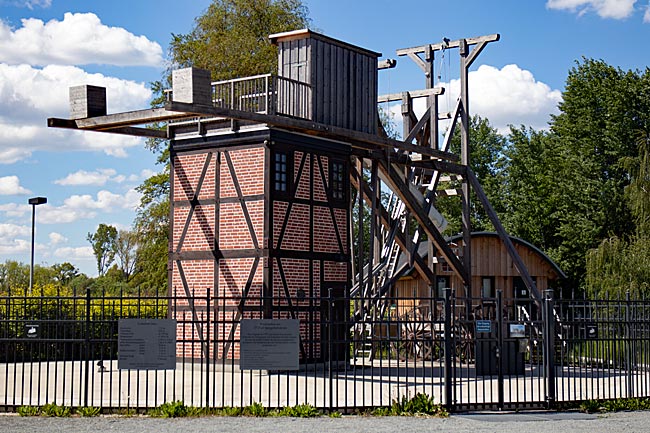
You can also visit the observatory in Lilienthal, where guided tours are offered. Dates, prices, and contact information can be found on the website
At that time, there was a private and at the time largest observatory on the European continent near Lilienthal, operated by one of the most famous astronomers of his time, Hieronymus Schroeter, who also built reflecting telescopes himself. From this vantage point, he observed planets and the moon and meticulously documented his observations. In 1800, he founded the United Astronomical Society with the observatory director Franz Xaver von Zach from Gotha, of which Olbers also became a member alongside other well-known contemporary astronomers.
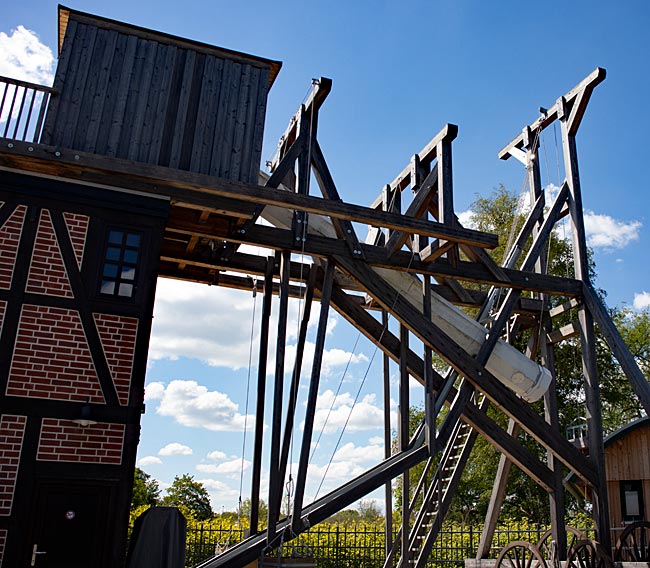
The pulley construction used to finely adjust the (at least today) approximately 450-kilogram tube after the entire rotatable structure had been maneuvered into position using wooden wheels is impressive
Schroeter's 27-foot reflecting telescope, which he put into operation in 1793 and through which Olbers also gazed into the distance, experienced a kind of rebirth more than 200 years later. The reconstruction, financed by donations, was inaugurated on November 28, 2015 after lengthy planning and nine months of construction. The primary mirror has a diameter of 50.8 centimeters, and the focal length is 7.75 meters. The white tube measures 8.20 meters (1 foot = 30.48 cm x 27 = 822.96 cm).
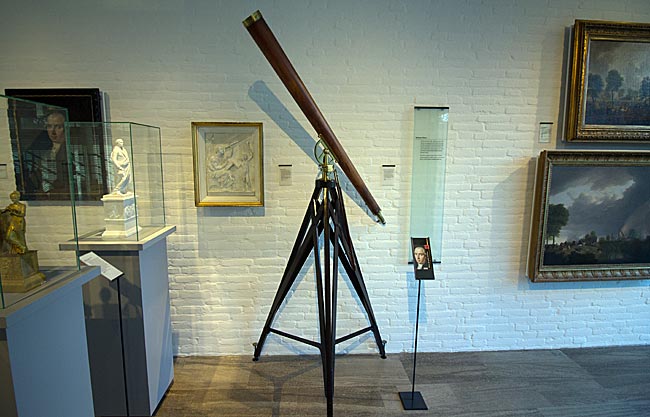
Heinrich Wilhelm Olbers' telescope from the 19th century. At the Walter-Stein Observatory in Neustadt district, his legacy is still honored today, even with larger "firepower"
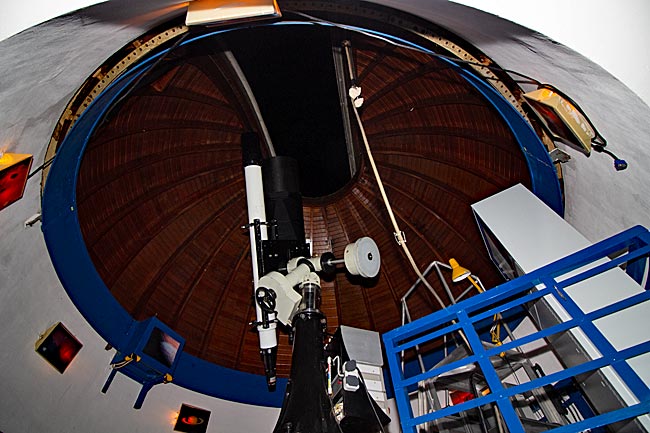
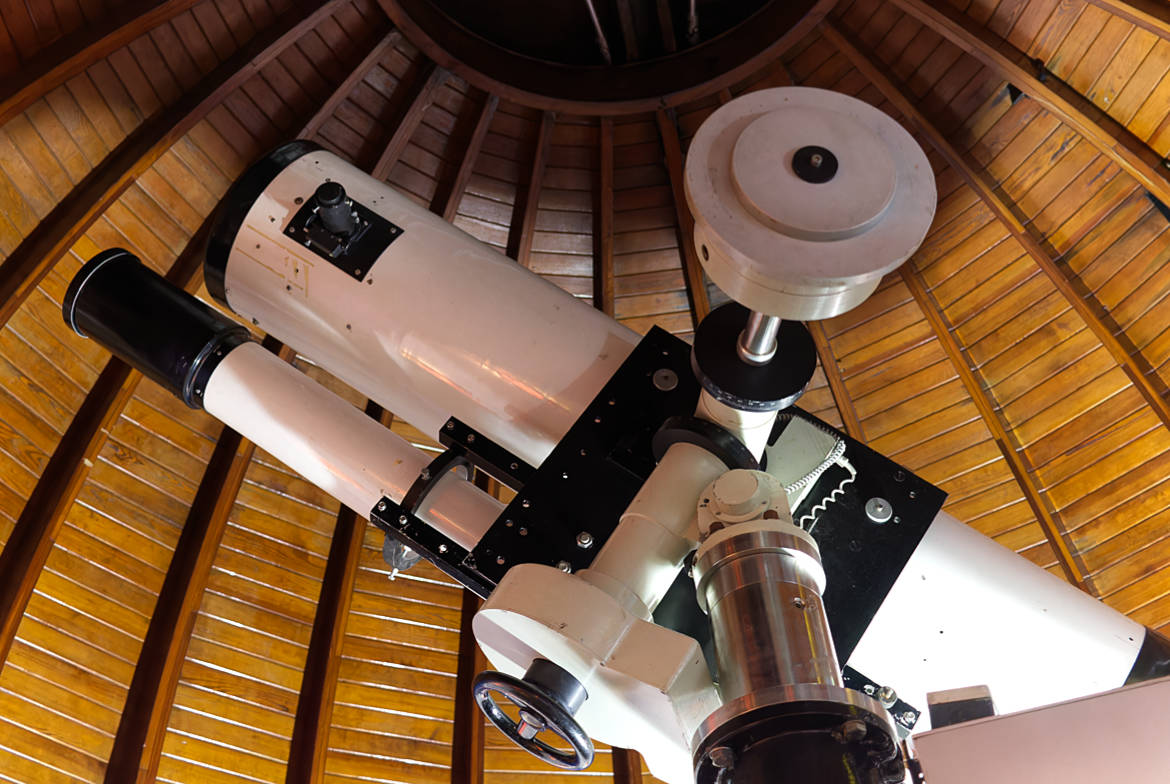
In contrast, the Olbers Society, founded in 1920, uses more modern telescopes at the Walter-Stein Observatory on the roof of Bremen University of Applied Sciences in the Neustadt district. Incidentally, the telescope of its namesake is not located here but in the Focke Museum in Riensberg near the cemetery. The currently mainly used large telescopes at the observatory are a 16'' f/8 Ritchey-Chrétien RC with a 406 mm aperture and a focal length of 3,250 mm, as well as a 130 mm refractor (ZEISS) with a focal length of 1,950 mm on a parallactic mount by ALT under a wooden dome.
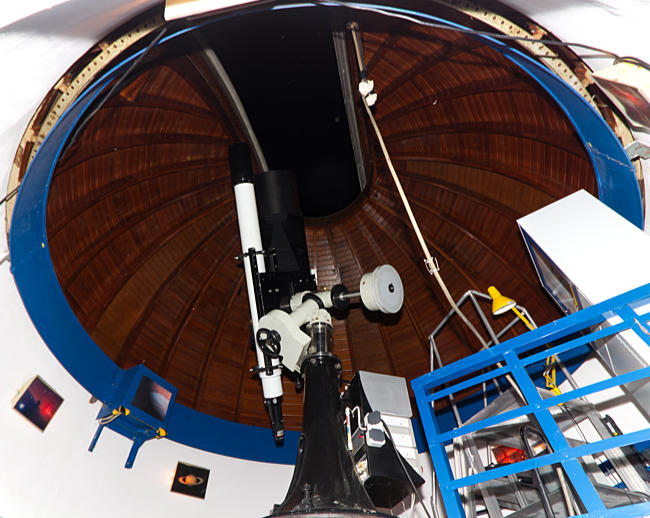
Ritchey-Chrétien RC with a 406 mm aperture and a focal length of 3,250 mm, as well as a 130 mm refractor (ZEISS) with a focal length of 1,950 mm on a parallactic mount by ALT under the opened wooden dome
Due to so-called "light pollution" in large cities like Bremen, nighttime observation of celestial bodies is only possible to a limited extent. It was therefore fortunate that a generous donor provided the funds to enable further purchases for more intensive solar observations. "With this equipment, the Olbers Society contributes to the Physical Laboratory of the University of Bremen and is thus also present in student training," writes the Olbers Society verbatim.
360° Panorama of the Observatory © Jens Krampe, with kind permission. Note: Click on the red dot in the video to access the additional films "Terrace" and "Dome.
On selected days, visitors can also take a look through the large stationary telescopes and smaller mobile telescopes at Walter-Stein Observatory, which are set up on the terrace for this purpose.
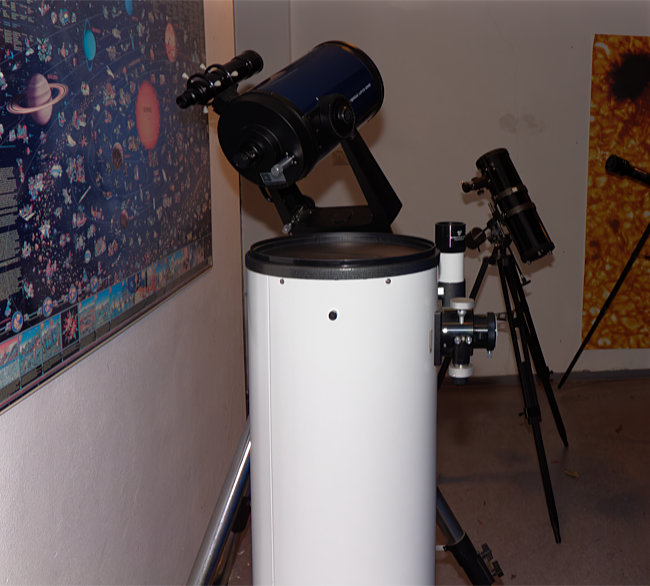
Some of the smaller telescopes used outdoors on the terrace
Members of the society give lectures on varying topics in the Olbers Planetarium in the same building from October to April on Wednesday evenings. During the winter half-year, scientists from fields such as astrophysics or astronomy give main lectures once a month, focusing on different emphases and research results. The association aims not only to increase knowledge among its members through these lectures but also to spark interest among outsiders, which is why attendance at the lectures is free for everyone. Events are announced on the Olbers Society's website.
360° Panorama of the Observatory © Jens Krampe, with kind permission
The Olbers Planetarium, opened in 1952, belongs to the small planetariums with its dome of 6 meters in diameter. There are 35 seats available (including accessible ones) for visitors. According to their own statements, the planetarium is well attended. This is also reflected in the well-filled, informatively documented event calendar on the website, which includes events for children and adults. Sometimes, it even gets musical. Admission is not free, and it is advisable to book tickets in advance given the limited number of seats if you want to be sure to get a place.
The sky over African Namibia, a destination for many stargazers, is "light-polluted" only to a small extent. The photo was taken during a tour through Etosha National Park but with a 6-megapixel DSLR with an APS-C sensor and a 300mm zoom designed for full-frame
previous page
 next page
Map
Further information
www.metalhenge.de
Arrival: Metalhenge is located on Fahrwiesendamm, which can be reached by car via a loop of the Autobahnzubringer Bremen-Überseestadt. By bicycle, there are two routes from the Walle district to cross or go under the A 27: one via Waller Straße and another along Waller Damm next to Waller Fleet through the allotment area in the Hohweg neighborhood. From the Findorff district, the route goes from Hochschulring into Blocklander Hemmstraße to a small bridge on the left over Kleine Wümme, then back on the other side along Waller Straße until the turnoff to Fahrwiesendamm.
More on Astronomy
Olbers Society Bremen e.V.
c/o Olbers Society registered association
Bremen University of Applied Sciences - Faculty of Business and Nautical Studies
Werderstraße 73
28199 Bremen
Phone: +49 (0)421 167 677 06
Email: olbers@olbers-gesellschaft.de
https://olbers-gesellschaft.de/index.php
Olbers-Planetarium
Bremen University of Applied Sciences
Werderstraße 73
28199 Bremen
Phone: +49 (0)421 40 88 99 300
Email: mail@planetarium-bremen.de
https://planetarium.hs-bremen.de
TELESCOPIUM-Lilienthal Non-Profit Foundation Company Ltd.
Am Staugraben 5
28865 Lilienthal
Phone: +49 (0)171 6152337
Email: info@telescopium-lilienthal.de
https://www.telescopium-lilienthal.de
Metalhenge
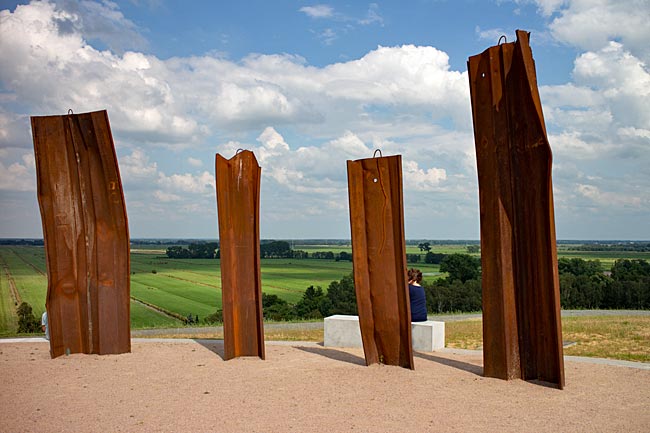
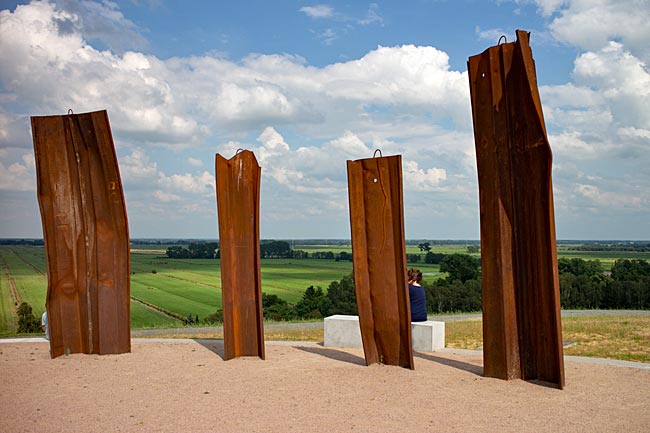
In 2021, an observation platform was opened on the first decommissioned and surface-renovated section of the landfill in Blockland. At a height of 40 meters, the barrier-free Planet Path leads visitors along. Planets? Yes, the Metalhenge structure, inspired by the famous Stonehenge, is positioned on the circular observation platform according to selected astronomical aspects. Information about this can be accessed via QR code on your smartphone. Even for those not particularly interested, the view stretches approximately 23 km across Bremen on one side and Blockland on the other.
read more ...
Focke-Museum
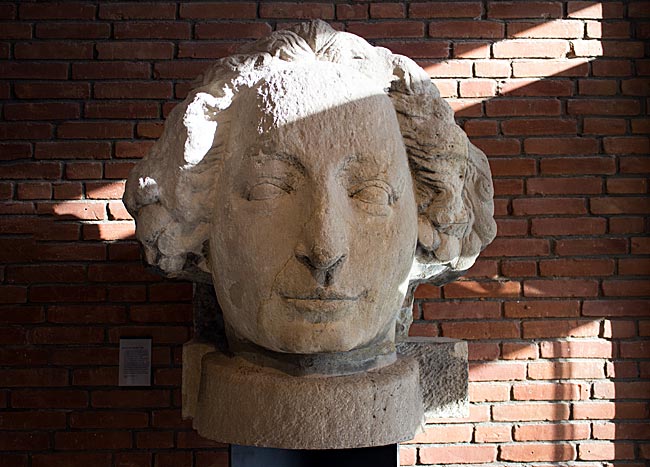
Every city has its history, and in many cities, there is a museum that tells this story. In the Hanseatic city, it is the Focke Museum in the Riensberg district, where urban history is presented most vividly. The "Bremer State Museum of Art and Cultural History" was established in 1924 by merging two collections: the Gewerbemuseum, founded in 1884, and the Historisches Museum für bremische Altertümer (Historical Museum for Bremen Antiquities), founded six years later. The museum's founder, who passed away in 1922, also gave it his name.
read more ...
Riensberg Cemetary
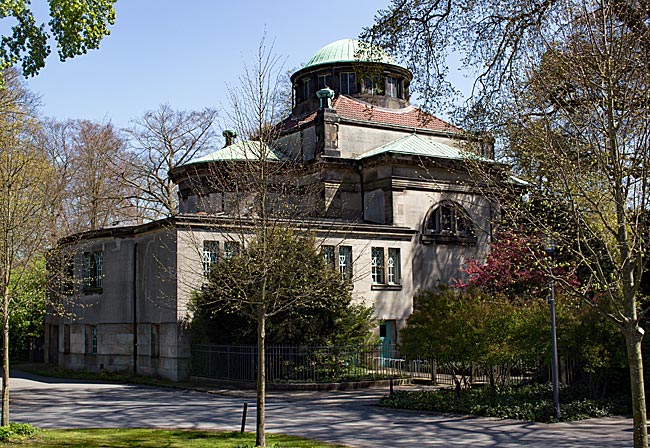
The Riensberg Cemetary, located within view of the Focke Museum, was established between 1872 and 1875 simultaneously with the Waller Cemetery as a replacement for two abandoned cemeteries elsewhere. The park cemetery, which today covers an area of about 28 hectares, is situated on the lands of the former Riensberg estate. The landscape gardener and garden architect Wilhelm Benque was commissioned to design the landscaping; he had previously been responsible for the garden art layout of Bürgerpark and, among others, Knoops Park in Lesum.
read more
...
Round trip: from the city center to the Weser weir & back
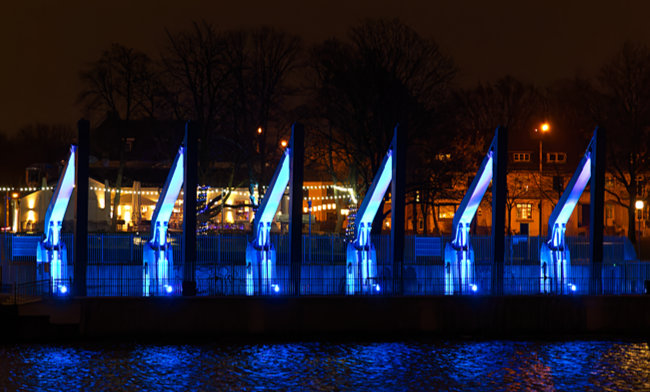
Starting from Tiefer or Altenwall, the section of the Weser riverbank in front of Schnoor and diagonally opposite the DGzRS (German Maritime Search and Rescue Service), the Planetarium, and the Observatory on the other side of the river, a beautiful path for pedestrians and cyclists runs directly along the water upstream towards the Weser weir. After crossing the Weser weir, the return route takes you back via Stadtwerder.
read more ...
DGzRS - The Maritime Rescuers
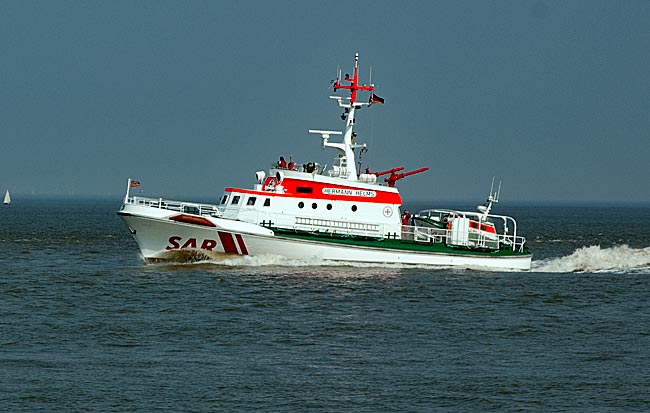
Anyone in distress at sea today has far better chances of receiving help, even out on the open water, thanks to modern technology and professionals who take care of it. Along Germany’s North and Baltic Sea coasts, these are primarily the approximately 1,000 full-time and volunteer men and women of the DGzRS (German Maritime Search and Rescue Service), also known as "The Maritime Rescuers." In 2020 alone, they conducted 1,720 operations and rescued 357 people. Since its founding, the organization has helped 86,000 individuals.
read more ...
A stroll through the Neustadt
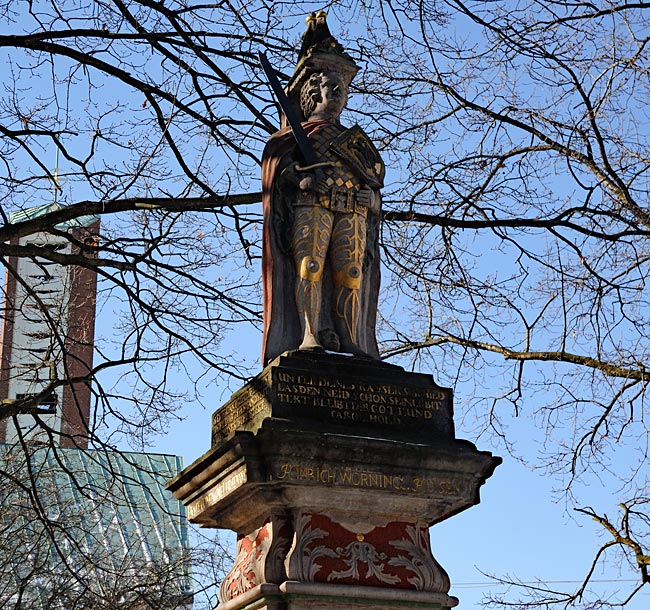
The Alte Neustadt, as part of today's neighborhood, was only established in the 17th century. The planned expansion of the city was also prompted by the increasing threat posed by the development of offensive weapons. Remnants of the fortifications built at that time are still present today as parks, but there is much more to discover, such as the "Kleine Roland".
read more ...
Cycling to Lilienthal
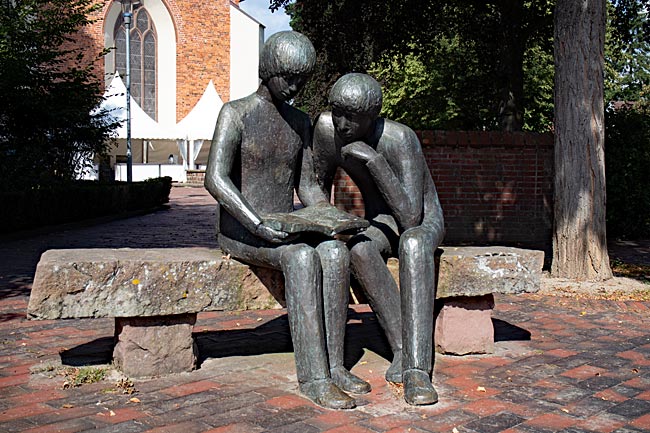
It's about 11 kilometers from Bremen's city center to Lilienthal in Lower Saxony, just beyond the city limits. While tram line 4 connects both places, a bike tour is more fun. On the Jan-Reiners-Weg, you cycle through a green landscape without car traffic, and even within Lilienthal itself, the path follows the Wörpe River along small roads with light traffic into the historic city center.
read more ...
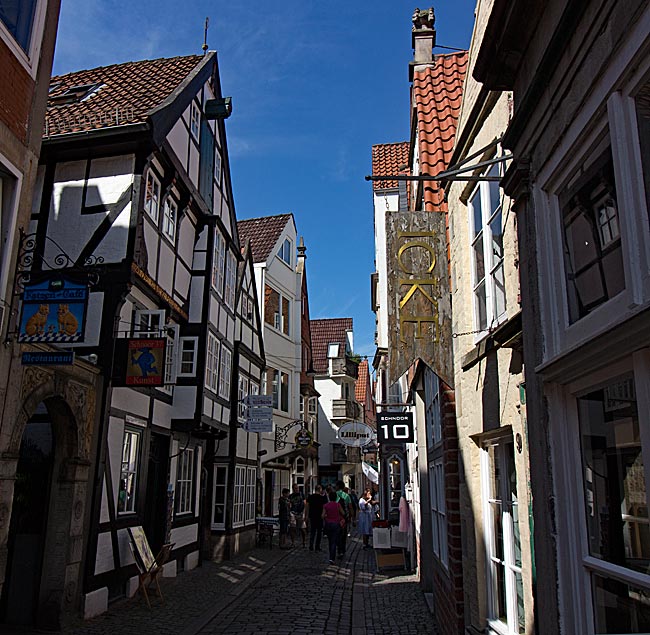
Schnoor
Bremen's oldest preserved neighborhood is the Schnoor. In earlier times, this area was primarily inhabited by fishermen and sailors, as it was here that the Balge - a tributary of the Weser - ran, and one of Bremen's first harbors was located. Many of the small houses date back to the 17th century or have been reconstructed based on historical models. The house at No. 15 in Schnoor Lane, built in 1402 on medieval foundations, is one of the oldest structures in the Schnoor, alongside the Packhaus (1401).
read more ...
Weser cruise from Bremen to Bremerhaven
Of course, you can take a car for a visit to Bremerhaven from Bremen or board the regional train at the main station. However, with suitable weather and enough time, it is more interesting to cover the route on the Weser by ship. The shipping company "Hal över" operates the connection from May to September. The ship departs from the Martinianleger near the city center along the Schlachte. Those who wish can even take their bicycle with them; additionally, you can pre-book a breakfast onboard.
read more ...