
 exploring Bremen & its surrounding areas
 You are here: attractions in the city center
 Übersee-Museum (1/2)
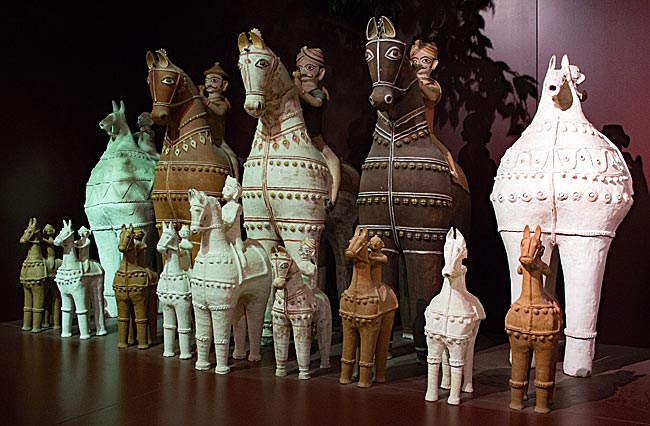
In the Asia Exhibition
Leaving the main train station towards the city center, your gaze falls to the right over the site of the former central bus station onto the Übersee-Museum. The museum first opened its doors in 1896 under the name "Municipal Museum for Natural History, Ethnology, and Commerce." Initially, the exhibits came from the "Municipal Collections of Natural History and Ethnography," which were partly displayed as a "Trade and Colonial Exhibition" at the "Northwest German Trade and Industry Exhibition" in 1890 in Bürgerpark with great success. Above all, internationally trading Bremen merchants and explorers had brought many exhibit pieces back to the city over the years from their travels. However, the museum's collection would continue to grow.
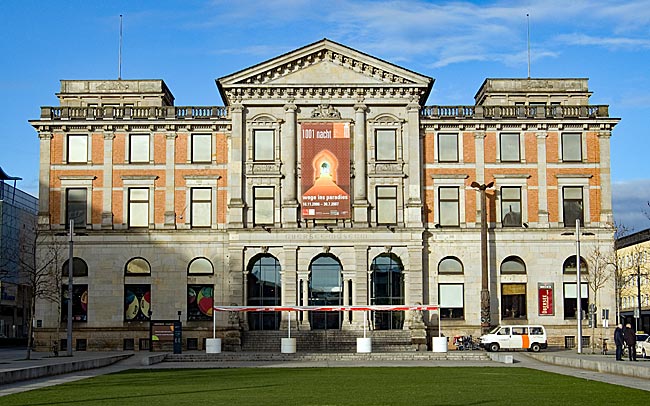
View of the Übersee-Museum
Originally, the neoclassical building was only about half its current size in terms of floor space. Yet between 1908 and 1911, an expansion with a second atrium was realized, along with a redesign of the facade. Behind the sandstone walls lies one of the world's largest hall museums today, following post-war restoration measures and further renovations. On nearly 10,000 square meters of exhibition space across three floors, visitors are vividly introduced to the cultures of Oceania, Asia, Africa, America, and themes of the modern globalized world.
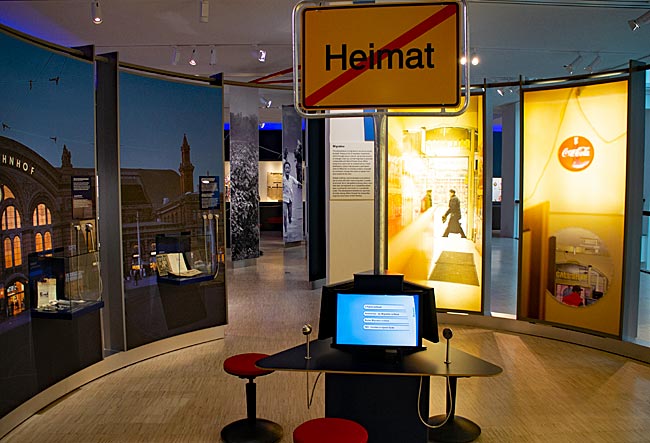
Modern with contemporary themes
Although the museum's fundamental focus has remained on showcasing the world alongside the Hanseatic city itself, its concepts have changed several times since its founding. This primarily concerns the anthropological or ethnographic perspective and presentation, moving away from a colonialist or even racist orientation as was the case during the Nazi dictatorship. The renaming of the museum to Übersee-Museum in 1951 shortly after reopening was also part of this new concept. Another aspect was a stronger emphasis on museum education, which continues to this day.
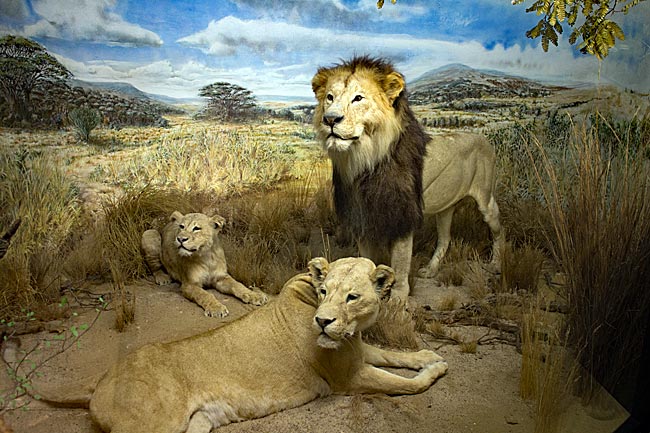
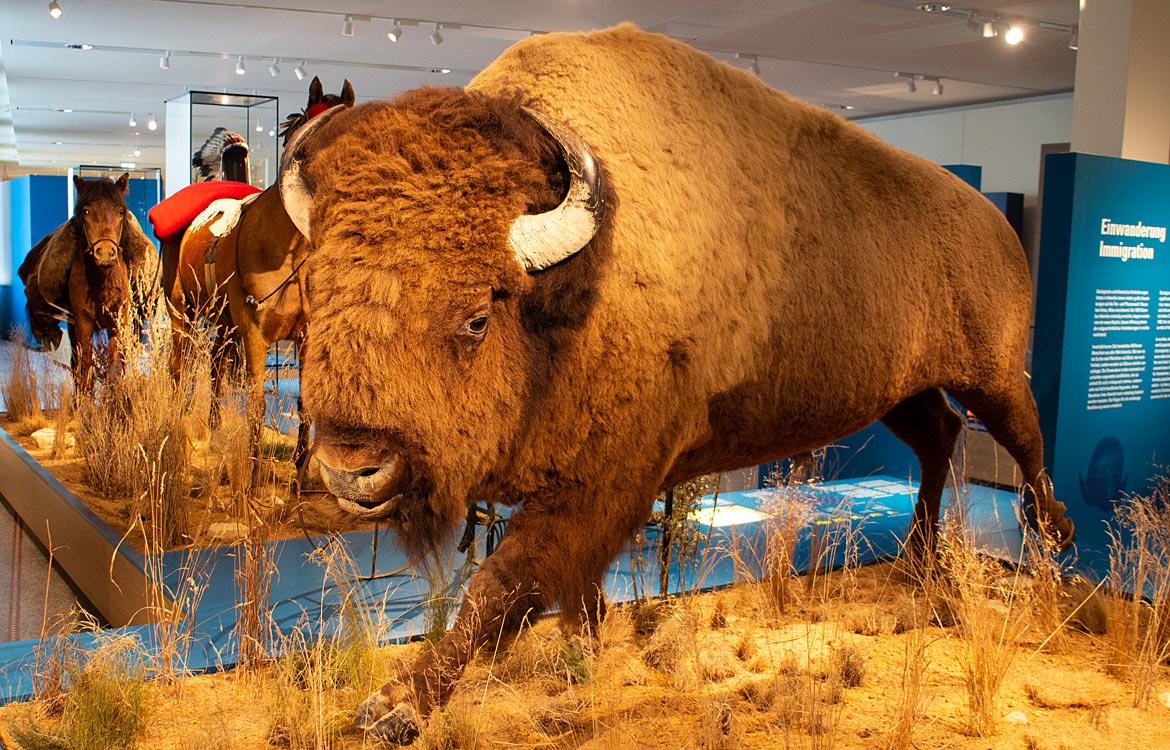
A highlight for children in the Africa section: the lion family diorama
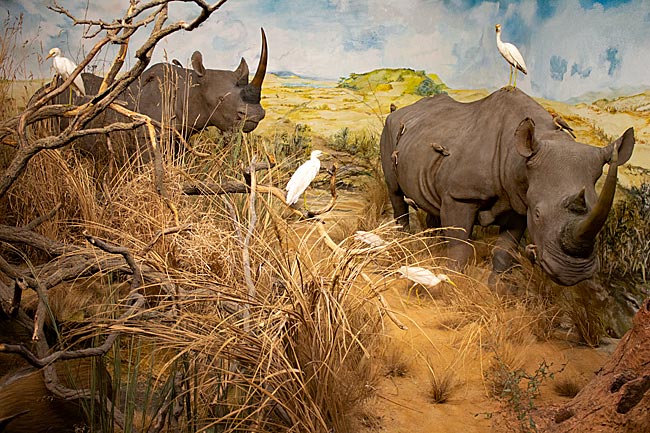
After further major restructuring during a two-year complete closure, the museum has been open to visitors again since 1979. Particularly the skillfully crafted dioramas with many taxidermied animals have always brought joy to children.
Preserving the Past Without Ignoring the Present. By the end of the last millennium, globalization and digital connectivity made the permanent exhibitions worthy of renewal once more. With the newer concepts, some beloved exhibits disappeared into archives, which was met with criticism but could not be avoided.
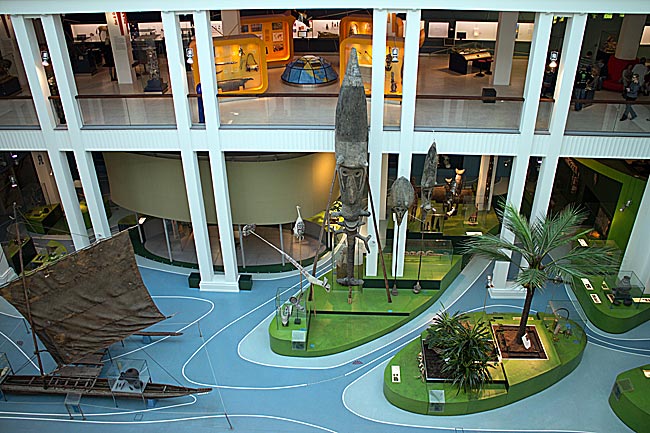
View of the previous oceania section on the ground floor in the first atrium
Following the 2003 opening of a modern-concept permanent exhibition in the first atrium on the ground floor of the museum - filled with color and digital technology for the first time - the presentation of Oceania had to make way in early April 2025 for a newly staged interpretation of a snapshot of the present. "The Blue Continent - Islands in the Pacific" places Palau, a hand-built replica rock island, at the center of the exhibit. Model makers who also built sets for the Harry Potter films worked on this ton-heavy masterpiece for four years. The €5 million cost is expected to be recouped by 2035. For museums, it is increasingly a balancing act to preserve the past while not losing sight of the present.
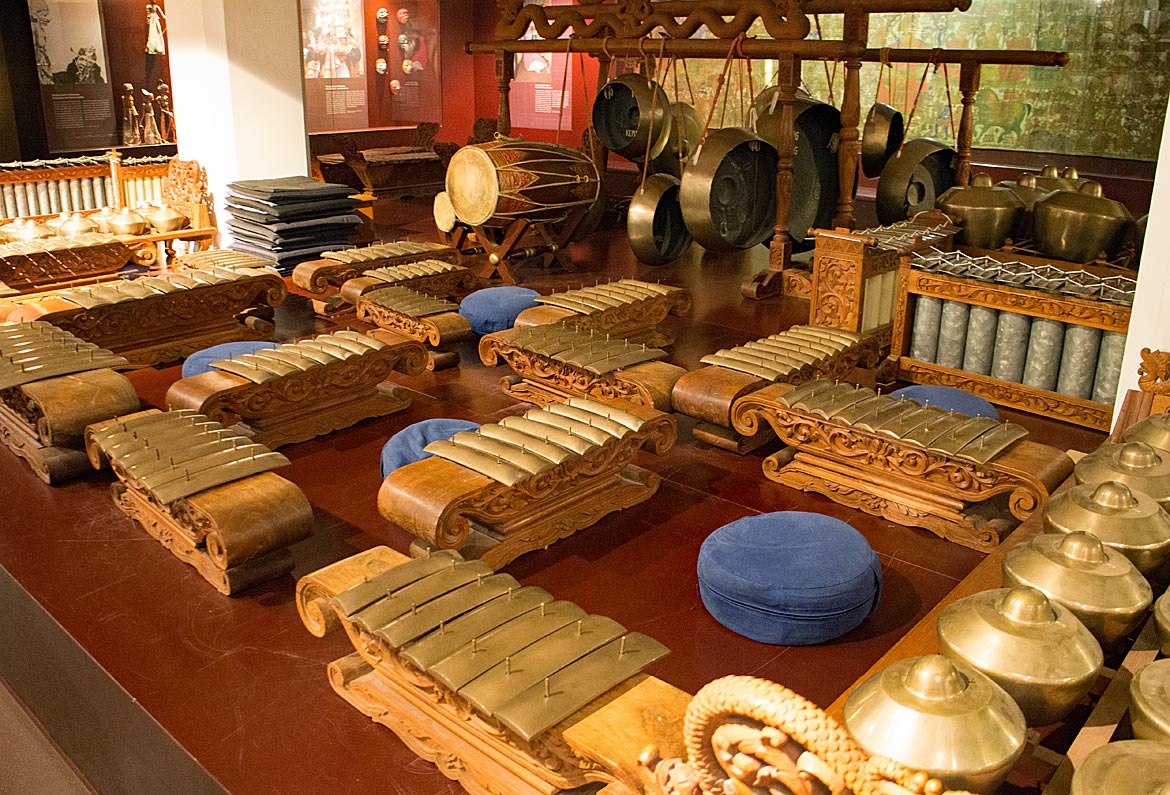
In February 2006, the current Asia section opened with an exhibition between tradition and modernity. While the koi fish remain silent in a small pond, a gamelan orchestra occasionally brings the exhibit to life.
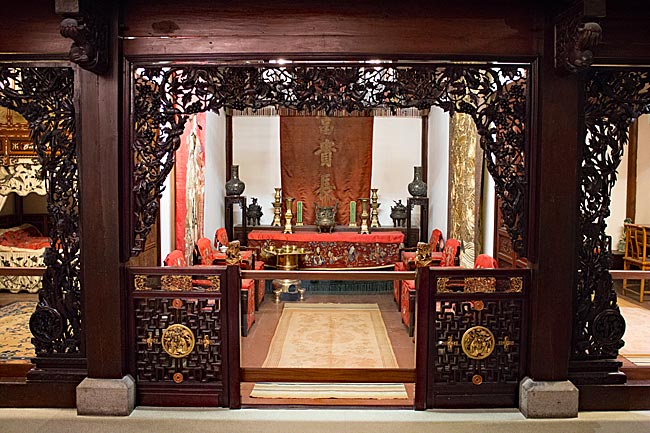
Insights into ancient asian traditions
Since October 29, 2010, the museum has presented a newly conceived permanent exhibition on the first floor of the first atrium under the title "Experiencing What Moves the World." This exhibition addresses current questions such as communication, global economy, sex & gender, human rights, climate change, migration, and time. It also highlights the many ways in which humans are interconnected globally.
previous page
 next page
Map
Further information
Übersee-Museum Bremen
Bahnhofsplatz 13
28195 Bremen
Phone: +49 (0)421 160 38-0
Opening Hours:
Tuesday to Friday: 9 AM - 6 PM, Saturday and Sunday: 10 AM - 6 PM, Monday closed
During Bremen school holidays: Tuesday to Sunday: 10 AM - 6 PM, Monday closed
On Public Holidays:
Open from 10 AM - 6 PM on: Good Friday, Easter Sunday, Easter Monday, May 1st (Labor Day), Ascension Day, Whit Sunday, Whit Monday, October 3rd (German Unity Day), December 26th (Boxing Day).
Open from 2 PM - 6 PM on: December 25th (Christmas Day) and January 1st (New Year's Day).
Closed: December 24th and December 31st...
Email: office@uebersee-museum.de
www.uebersee-museum.de
Bürgerpark
A green oasis near the city center and a heavily used recreational area is the Bürgerpark. The extensive park, which adjoins today's Bürgerweide behind the train station, was initiated by the citizens themselves. At the beginning of the 19th century, the old defensive structures of the city had already been dismantled, and the ramparts were transformed into a park landscape. However, as the city rapidly grew throughout the century, the demand for more green spaces became increasingly louder.
read more ...
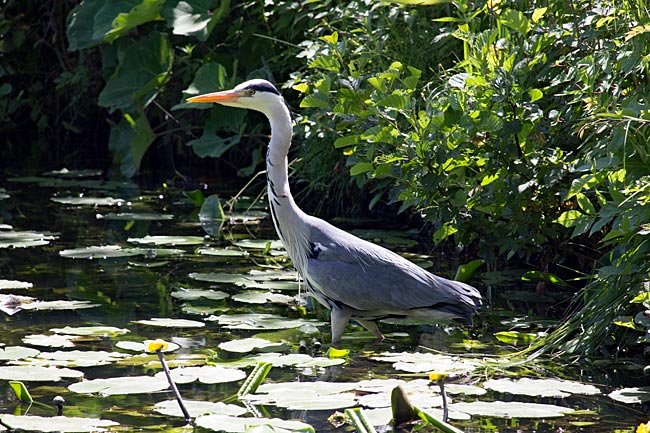
Schwachhausen district
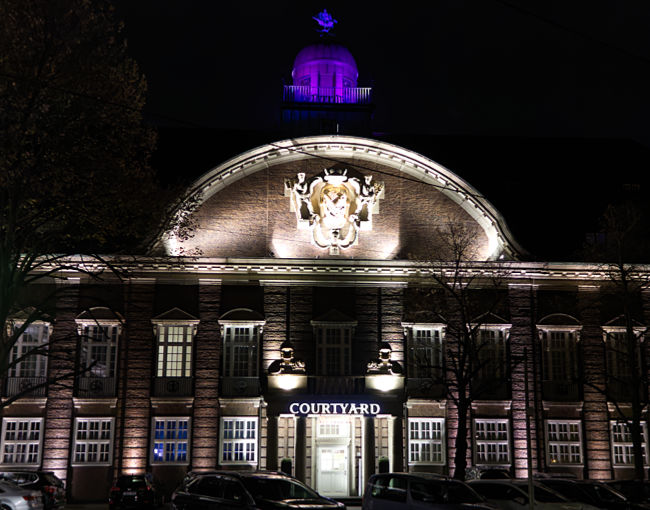
The Lloyd Railway Station, built in 1913 near Bremen's central station, served as a waiting area for emigrants who departed Europe from Bremerhaven aboard ships of the North German Lloyd. From here, their journey initially continued by train. The shipping company merged with HAPAG (Hamburg-America Line) to form HAPAG-Lloyd, headquartered in Hamburg. Directly across the street stands the anti-colonial monument "Elephant."
read more ...
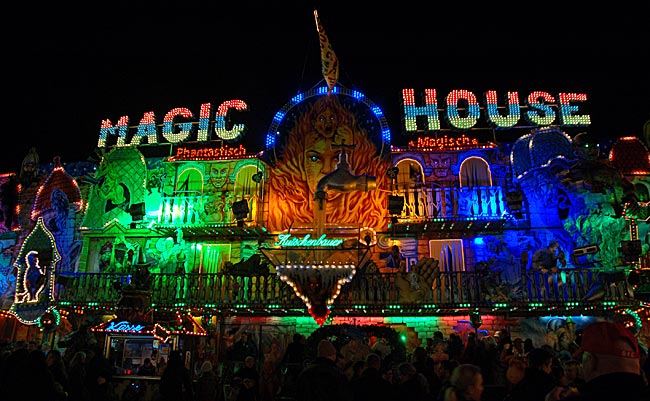
Freimarkt
What some might simply call a fair or a large amusement park is, for others, an event of equal importance to Christmas. However, the fact remains that for most residents of Bremen, the Freimarkt is considered the "fifth season" and an unshakable Bremen tradition. This isn't surprising, as Bremers can look back on nearly a thousand years of history for their festival - and with that, the Freimarkt is Germany's oldest folk festival.
read more ...
City Center: the main shopping streets
Another traditional café can be found at Sögestraße 42/44. The Knigge confectionery was established in 1889 and offers a variety of baked goods, chocolates, and ice cream, making it well-known throughout the city. Diagonally across from the café, branching off from the row of shops, is the glass-covered Katharinen-Passage, which - with an interruption - leads into the Domshof-Passage, ending at the Domshof. On this site, which now houses retail stores and a parking garage, once stood the namesake St. Katharine's Monastery.
read more ...
Stadtwald & Stadtwaldsee (urban forest & lake)
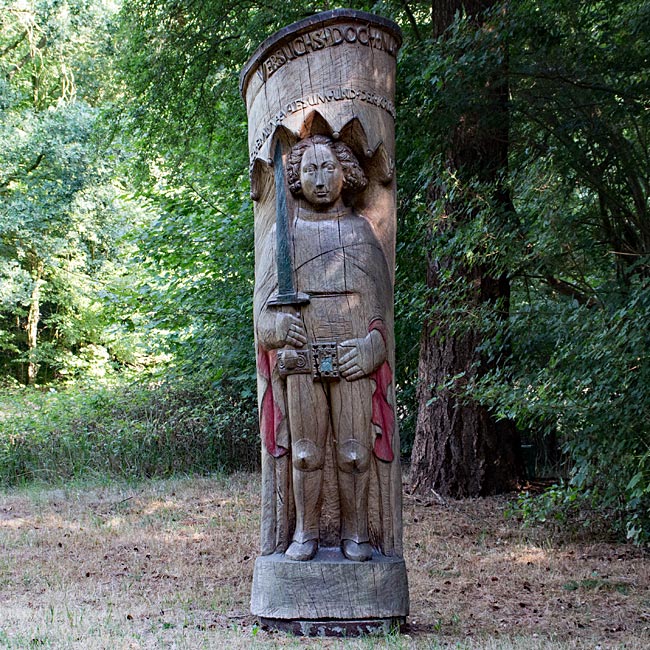
Stadtwald & Stadtwaldsee. The design of the Bürgerpark is attributed to Wilhelm Benque, who served as its director from 1866–1870 and again from 1877–1884. Carl Orth succeeded him in this role, and under his plans, construction of the Stadtwald began in 1907. The 66.5-hectare site north of the railway tracks had been donated to the Bürgerpark Association by the Bremen merchant Franz E. Schütte one year earlier.
read more ...