
 exploring Bremen & its surrounding areas
 You are here: worth seeing in Findorff district
 Bremen Freimarkt (1/2)
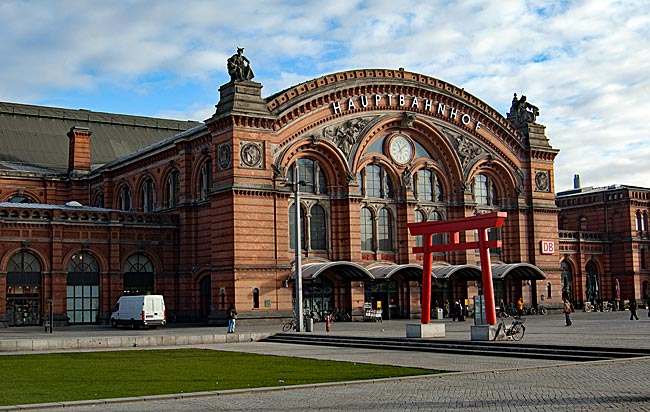
Main entrance of the central station; in front of the Neo-Renaissance building lies one of the most important hubs for public local transport
An indefinable scent lingers in the air when approaching from the city center, a mix of sharp and spicy grilled foods, sweet roasted treats, and all sorts of other delights. The spell is broken, and as if to announce a grand event in true style, muffled bass and drumbeats waft through the passage of the venerable Bremen central station, modernized around the turn of the millennium but originally built between 1885 and 1889.
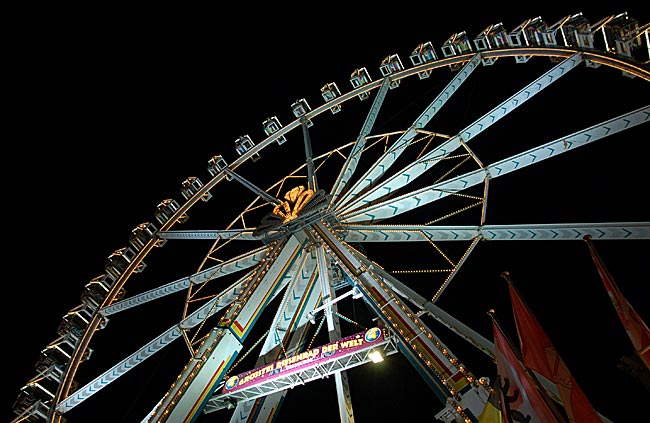
A classic: a Freimarkt without a Ferris wheel is unthinkable
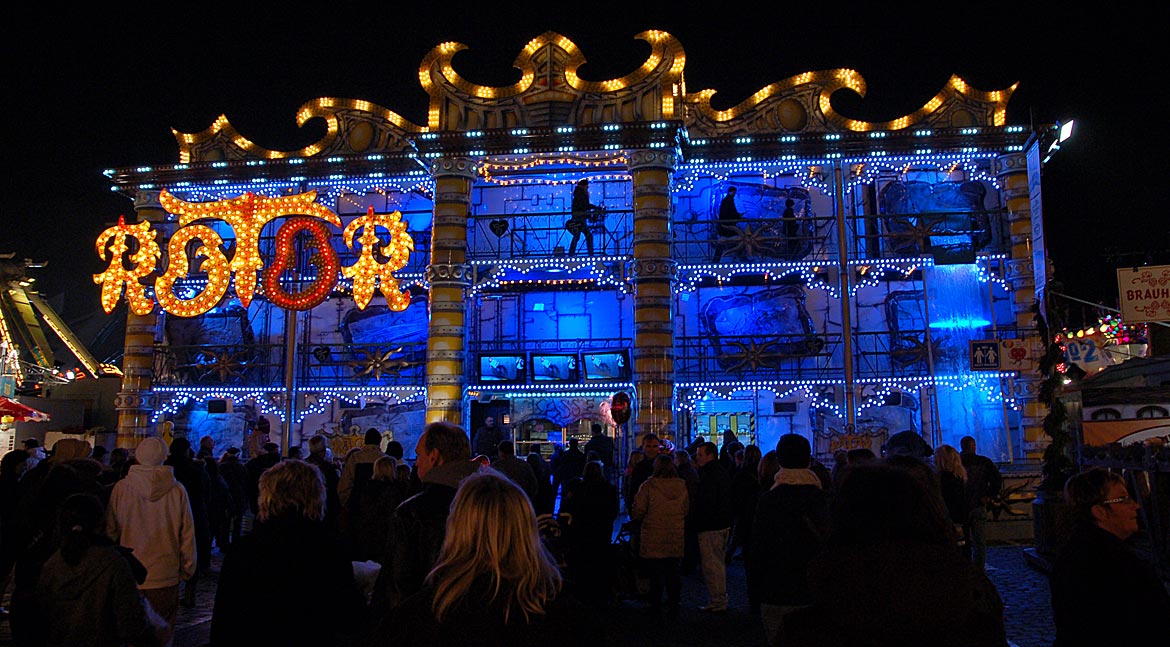
Then suddenly, thousands of colorful lights illuminate the evening sky, and the automatic glass doors of the northern exit slide open. At last, the Bremen Freimarkt has been reached and not just children’s eyes grow wide.
For some, it may simply be a fair or large amusement park, but for others, it is an event whose importance rivals that of Christmas. However, the truth is that for most people in this Hanseatic city, the Freimarkt - much like Oktoberfest for Munich residents - is considered a "fifth season" and an unshakable Bremen tradition. This isn’t without reason: Unlike Munich’s Oktoberfest, Bremen’s citizens can look back on nearly a thousand years of history for their festival, making the Freimarkt Germany’s oldest folk festival.
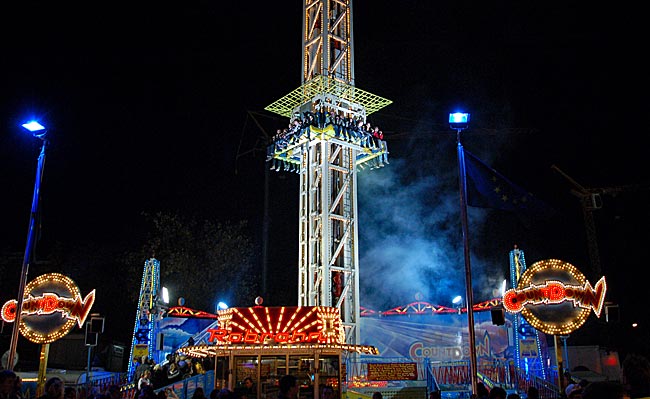
So far, all passengers have disembarked ...
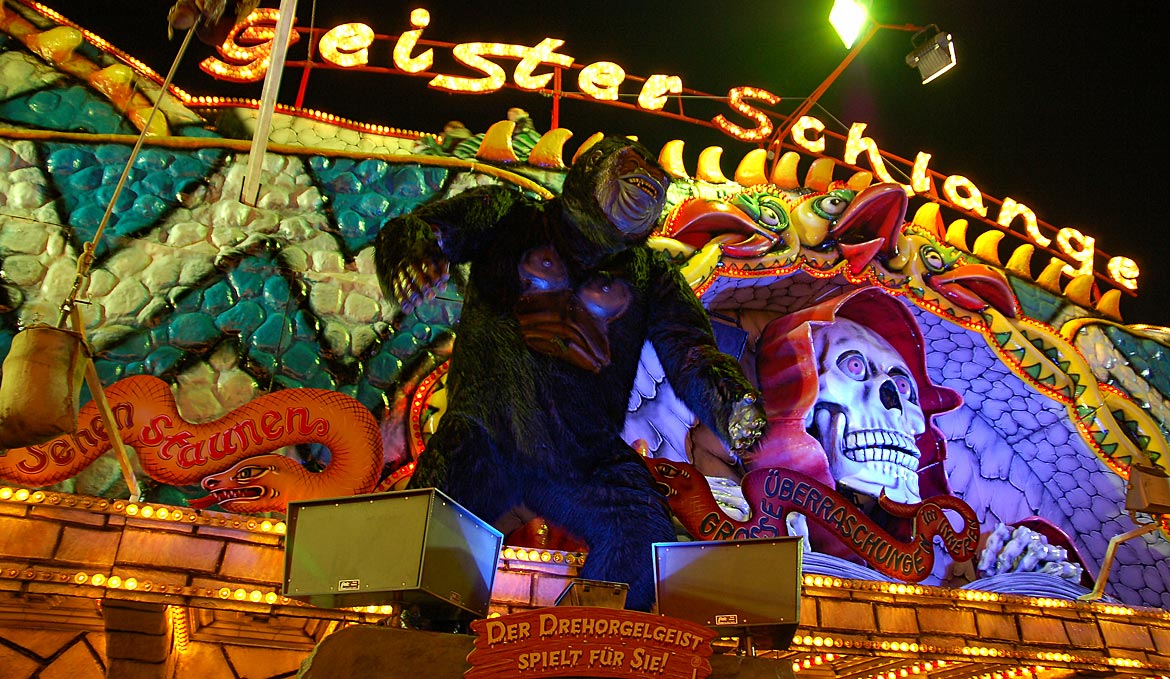
Over 300 showmen from both domestic and international backgrounds compete for three weeks every October to win over the favor of around four million visitors - both big and small - who make their way through the labyrinth of numerous stalls and nearly 60 rides on the 100,000-square-meter site in front of the architecturally distinctive city hall, congress center, and exhibition halls.
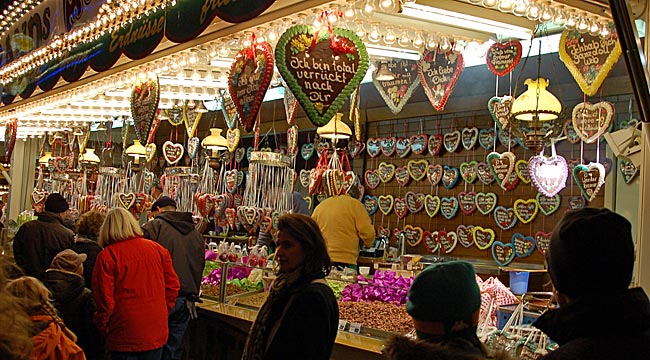
For many, roasted almonds are a must or perhaps a colorful decorated gingerbread heart
Alongside the "classic fairground stalls" where balloons meet their end with dart pistols or tin can pyramids demonstrate remarkable stability, there are the obligatory treats ranging from sweet to fiery, from cotton candy and Bremen peppermint Babbeler to bratwurst and spicy meat from the pan, as well as stands selling all sorts of trinkets of questionable aesthetic and qualitative value. But for many rides, high-tech is the name of the game: Higher, faster, farther - the pursuit of new superlatives and the limits of technical feasibility led already in the early 1980s to constructions weighing over 500 tons that required several train carriages for transport - not to mention acquisition costs of several million euros. Today’s younger Freimarkt visitors can only smile at the technological triumphs of that era, as some gondolas with passengers rotate at breakneck speed around multiple axes simultaneously.
previous page
 next page
City center: the main shopping streets
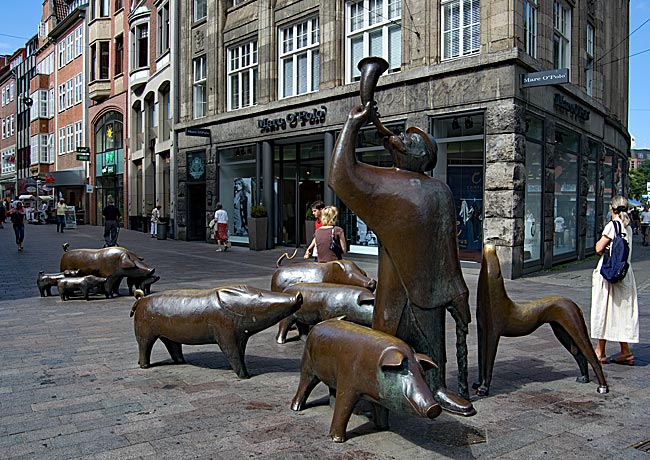
Of course, there are many other notable meeting points in the downtown area where people gather for strolling, shopping, or visiting cafés. However, a classic spot is "the pigs" on Sögestrasse. This bronze sculpture group, consisting of five pigs and four piglets along with a shepherd and his dog, was created in 1974 by Peter Lehmann, a sculptor born in Bremen in 1921. It serves as a popular photo opportunity and monument at the entrance to the car-free shopping street. The ensemble, financed at the time by merchants located on the street, was not created on a whim but has historical significance.
read more ...
Bremen Peppermint Babbeler
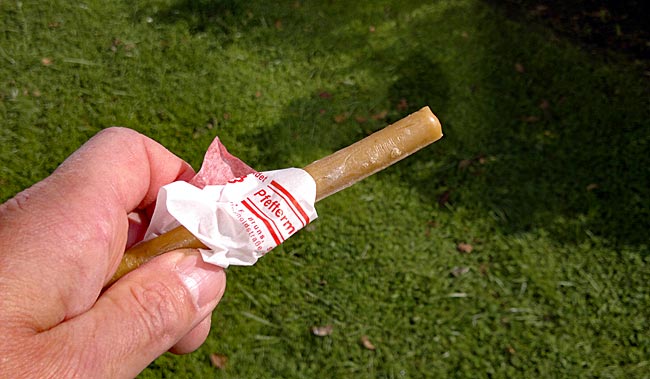
Babbelers are peppermint lollipops made from peppermint oil, sugar, glucose syrup, and water. In Low German (Plattdeutsch), "babbel" means "mouth," and when enjoying these lollipops, you certainly keep your mouth busy. The confectioner master and candy maker Adolf Friedrich Bruns first produced this sweet treat and possibly the world's first cough drop in 1886, selling them in his confectionery shop in Bremen-West.
read more ...
Findorff district
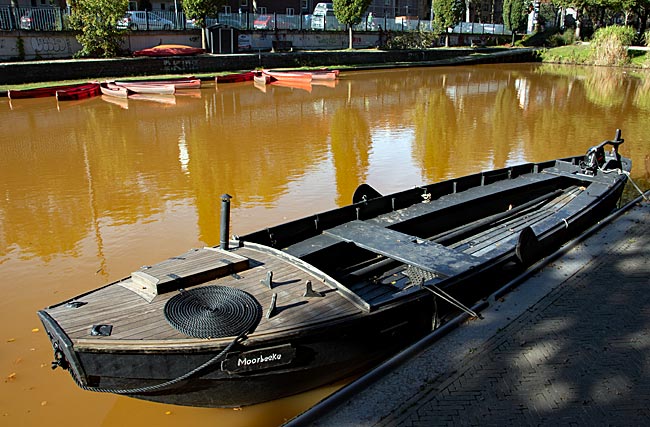
The history of the Findorff district is closely tied to the moors of Lower Saxony's surrounding countryside. In 1819, the so-called "Torfkanal" (Peat Canal) was dug to transport peat as fuel, particularly from Teufelsmoor, by waterway to Bremen. Even today, the second peat harbor, built in 1873, exists in a smaller form within the district, with traditional peat barges still moored there. However, peat transportation no longer plays any role.
read more ...
Roland statue
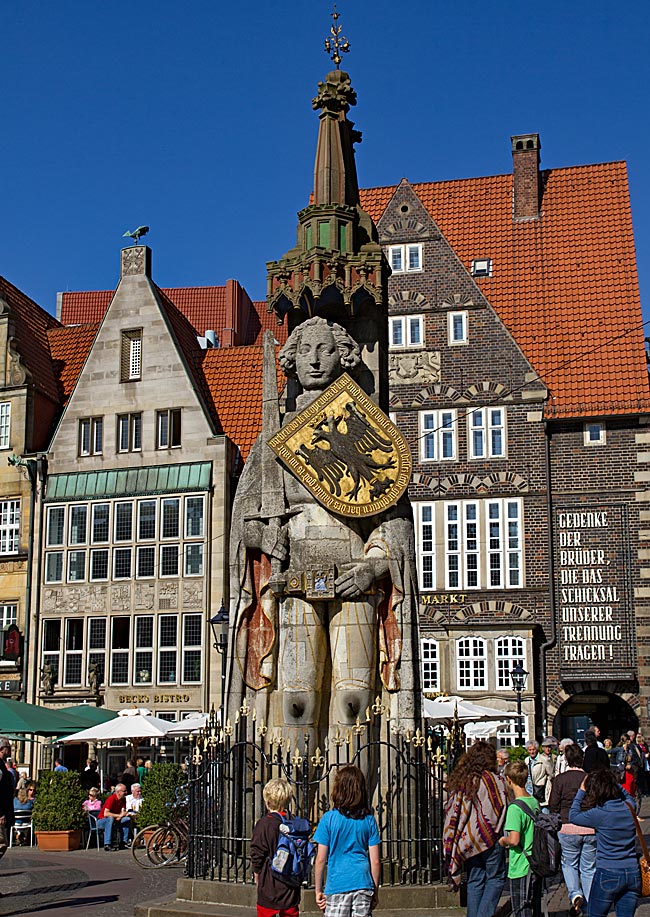
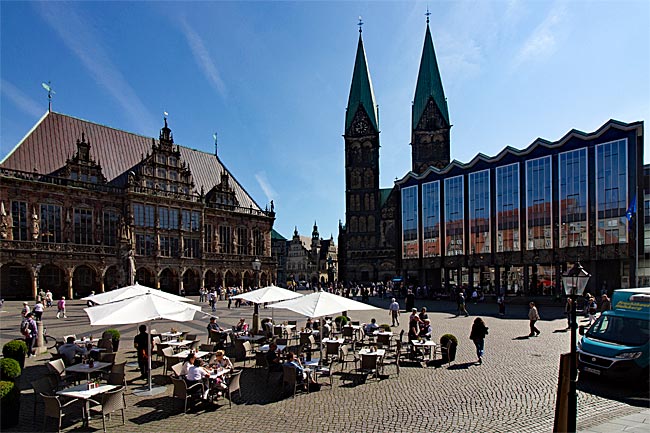
Since 1404, the Roland statue, a 5.55-meter-tall (10.21 meters total) sandstone knight with a drawn sword and shield on his chest, stands on the market square in front of the town hall. Like in numerous other European cities, Bremen's Roland also serves as a symbol of the city's freedom, which in earlier times stemmed from its market rights and independent jurisdiction.
read more ...