
 exploring Bremen & its surrounding areas
 You are here: worth seeing in Horn-Lehe district
 Rhododendron Park
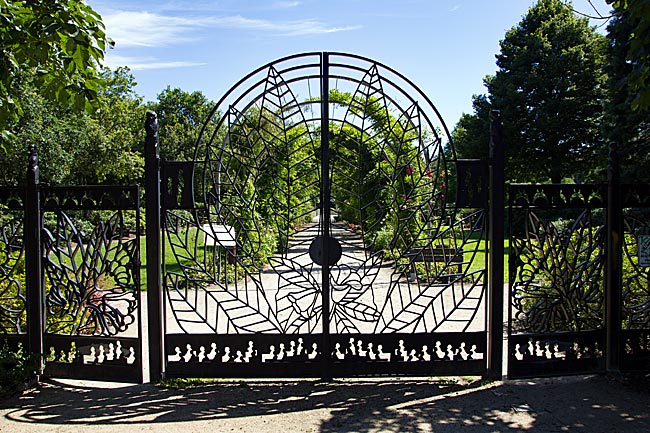
Entrance to the Rhododendron Park from Ronzelenstraße
The 46-hectare Bremen Rhododendron Park is located in the Horn district. The origins of this park actually consist of two separate parks, Rickmers Park and Allmers Park. Around 1890, beech, ash, spruce, and especially oak trees were planted on the site. In 1936, the area - originally designed as a wildlife park - was expanded with an extensive collection of rhododendrons. Even today, the numerous deciduous trees in the park provide important protection for the rhododendrons against sun and wind.
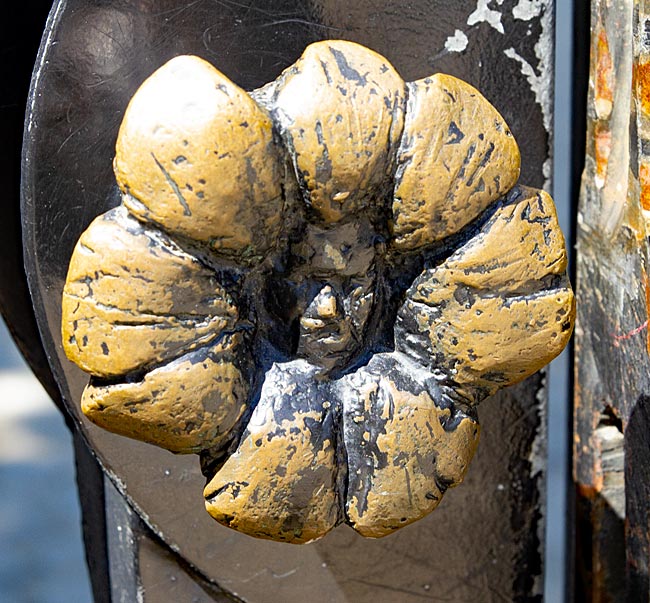
Knob on the entrance gate
Rhododendrons, which belong to the family of heath plants (Ericaceae), have been known in Europe for over 300 years. Worldwide, there are about 1,000 wild species, more than half of which are native to Asia. The Rhododendron Park and botanika currently house over 600 wild species, supplemented by around 3,500 cultivated varieties - making it the second-largest collection in the world. Especially during the blooming season starting in May, thousands of colorful flowers create a magnificent sight.
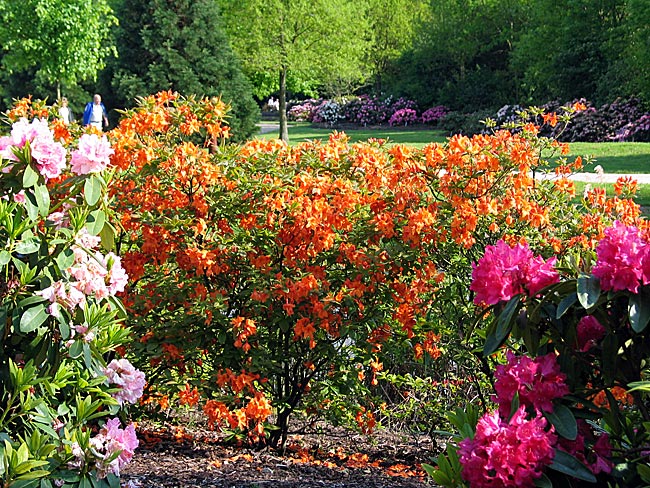
Blooming rhododendrons
In 1937, the park was expanded to include a botanical garden. The Bremen merchant Franz Ernst Schütte had originally established this garden - primarily as an educational garden for students - in 1905 along Osterdeich. It was organized mainly by plant geography according to regions of origin and featured typical vegetation scenes. Due to financial difficulties caused by inflation before World War II, the city of Bremen eventually took over the garden.
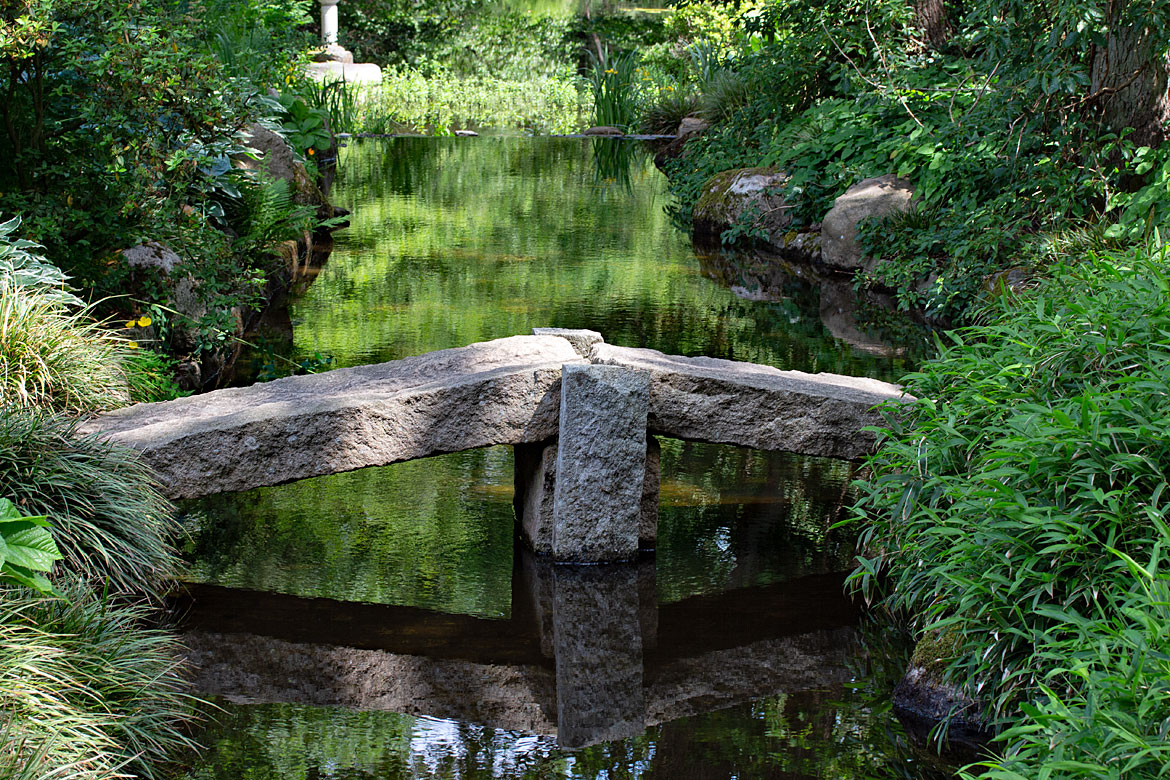
Stone bridge over an artificial stream
When searching for a new easily accessible location that also allowed for spatial expansion, the choice fell on the Rhododendron Park. By 1938, around 4,000 plants had been relocated there. The botanical garden was completed in 1950.
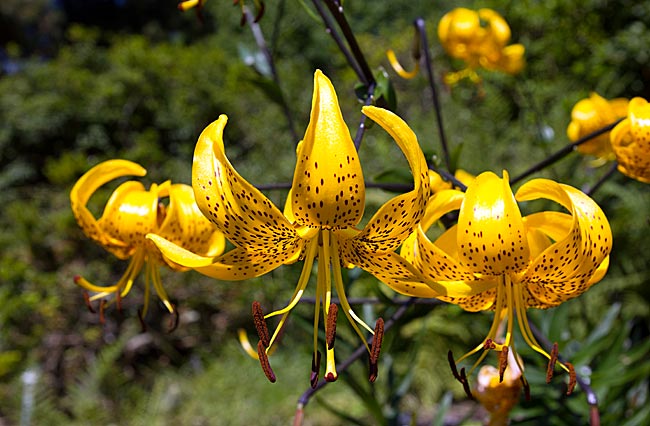
Floral splendor in the botanical garden
For the first time in a German botanical garden, the section dedicated to native flora was arranged according to phytosociological aspects. Throughout the garden, small signs display both the scientific and common names of the plants, making a walk through the various labeled areas both interesting and educational.
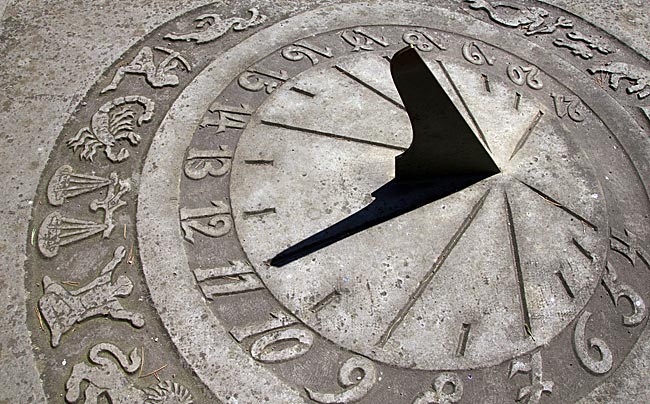
Sundial with zodiac signs
In the past, children were particularly drawn to the terrarium in the botanical garden. Built in 1949 as an open-air structure, it once housed iguanas, snakes, guinea pigs, and water turtles. Today, however, the terrarium is abandoned, and whether it will ever be repopulated remains uncertain.
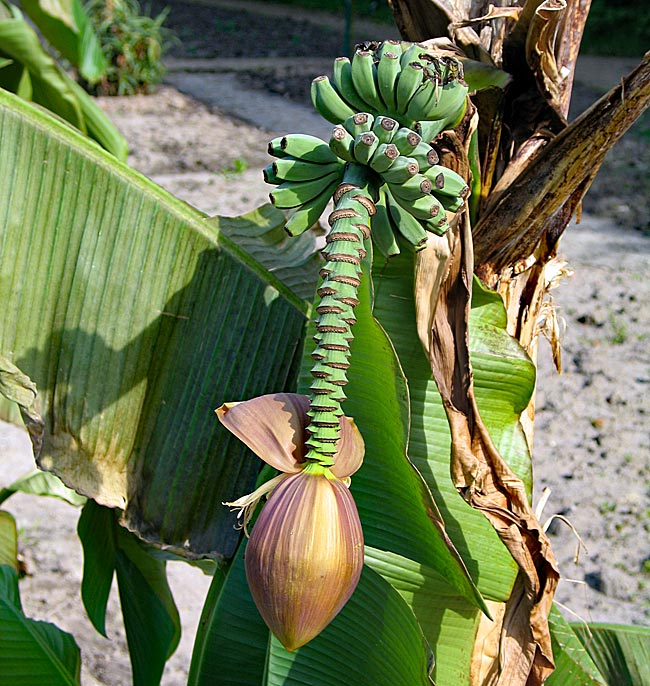
Banana plant with fruits at the edge of the herb garden
On the relatively young so-called expansion area of the park, in addition to current varieties from Germany’s most prominent rhododendron breeders, there is a rose garden featuring over 220 varieties of bedding, shrub, and ground-cover roses, a fragrance garden, and a well-designed playground.
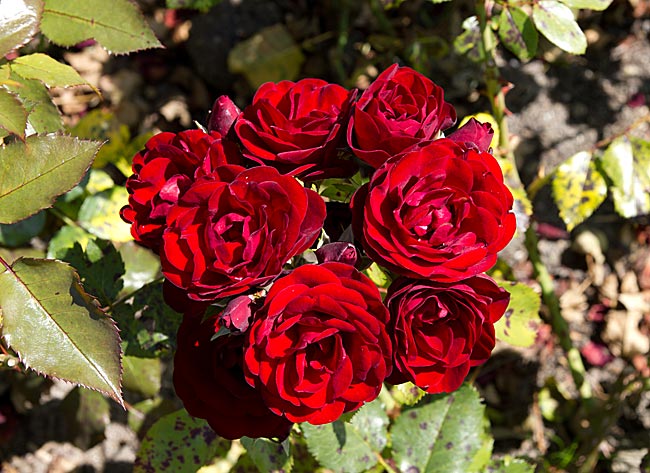
Roses in the rose garden
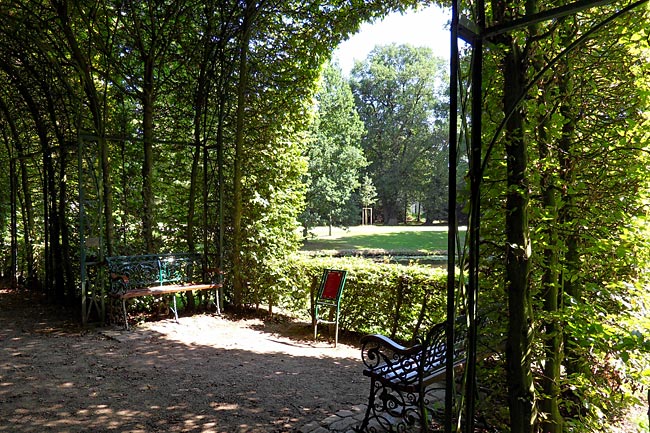
The expansive, varied 46-hectare park with its many small lakes and canals offers hours of exploration without becoming monotonous. Numerous benches in well-chosen spots invite visitors to take a break, and those needing refreshment can visit the café next to the botanika. As long as the weather permits, guests can also enjoy outdoor seating on the terrace overlooking vibrant purple heather.
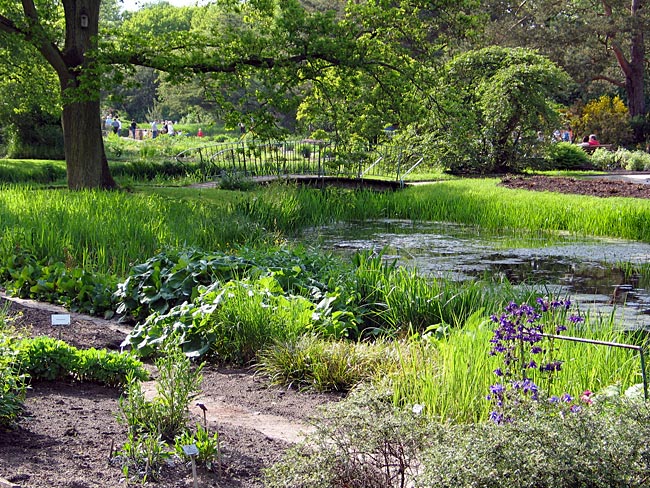
View into the park with a small lake
Operated by the Bremen Rhododendron Park Foundation since early 2009, the park is freely accessible year-round via multiple entrances from Marcusallee, Horner Heerstraße, and Berckstraße. Due to the high maintenance costs of the facility, the question of continuous financing arises every few years, including models that would require an entrance fee. So far, this has been successfully avoided to the delight of many regular visitors. Donations of any amount are always welcome.
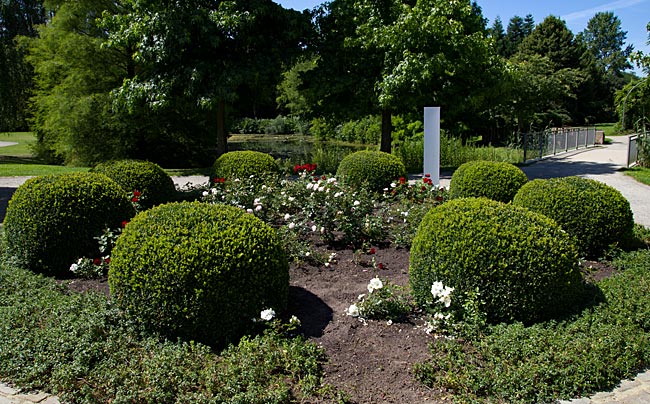
The design of the park is labor-intensive
previous page
 next page
Map
Further information
www.rhododendronpark-bremen.de
botanika GmbH
Deliusweg 40
28359 Bremen
Telefon 0421 427066-65
Email: info@botanika-bremen.d
www.botanika-bremen.de
Rhododendron Park photo tour during blooming season
We are exploring the Rhododendron Park with our cameras during the blooming season and showcasing the most fascinating creations of nature.
read more ...
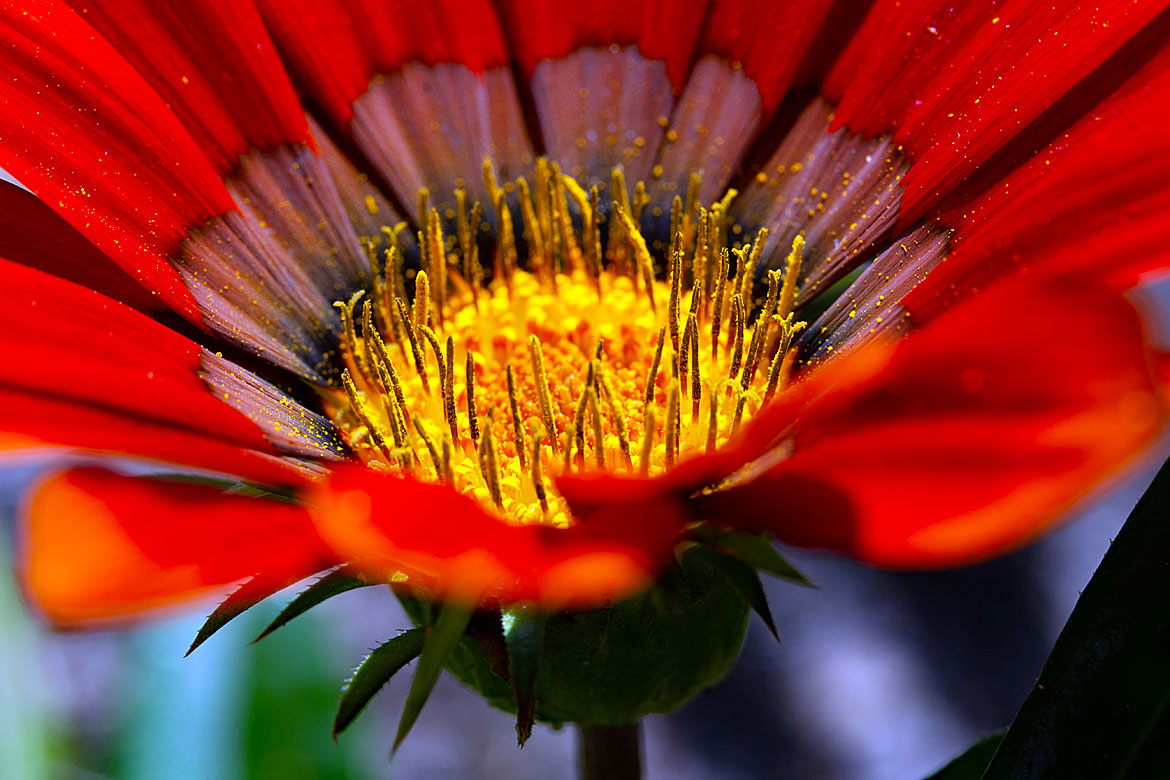
botanika
In the heart of Rhododendron Park, next to the café, is the botanika. Originally planned as a contribution to Expo 2000, various factors led to changes, and the largely glass structure was finally opened in 2003.
read more ...
Parks & Windmill in Oberneuland district
You can still sense the history and former village-like structure of this neighborhood when you drive or walk down Oberneulander Landstraße. In summer, the shade of old trees provides ample relief, while tree roots sometimes make the pedestrian side strips uneven and so narrow that you almost end up walking on the road itself. Along the side of the street near the state border, several gaps appear in the residential buildings - this is where three parks are located, inviting visitors and serving as the very reason this article about Oberneuland was written.
read more ...
Bürgerpark
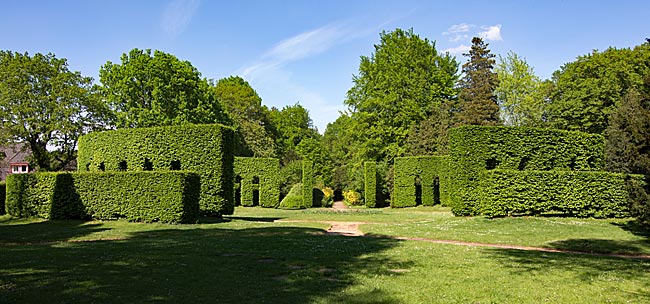
The Bürgerpark is both a green oasis close to the city center and a widely used local recreation area. This expansive park, located adjacent to today's Bürgerweide behind the train station, was initiated by the citizens themselves. In the early 19th century, the old defensive structures of the city had already been dismantled, and the ramparts were transformed into a landscaped park. However, as the city rapidly grew throughout the century, demands for more green spaces became increasingly louder.
read more ...
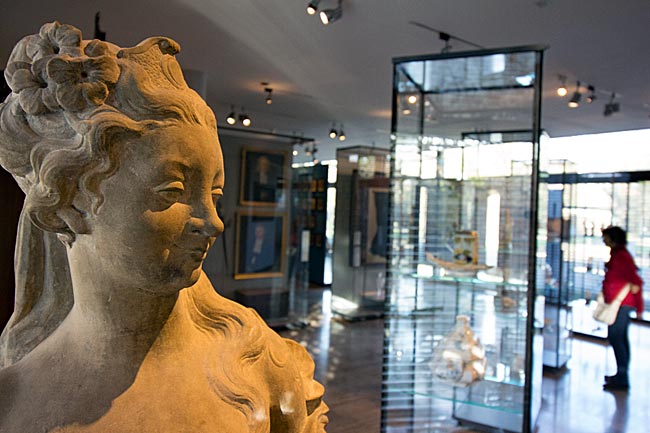
Focke-Museum
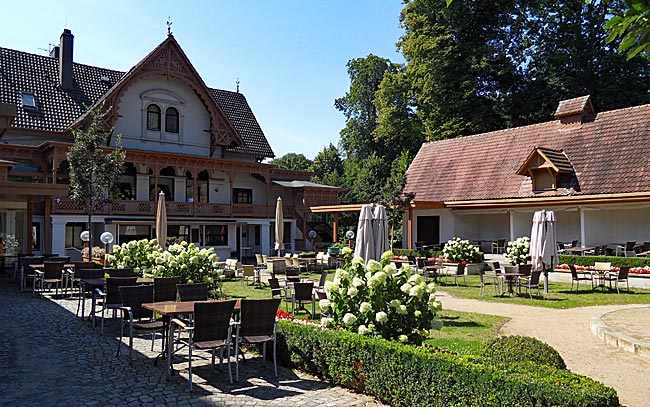
Every city has its history, and in many cities, there is a museum where this story is told. In the Hanseatic city of Bremen, it is the Focke Museum in the Riensberg district that presents the city's history most vividly. The "Bremer State Museum for Art and Cultural History" was established in 1924 by merging two collections: the Gewerbemuseum, founded in 1884, and the Historisches Museum für bremische Altertümer (Historical Museum of Bremen Antiquities), founded six years later. The museum's namesake was its founder, who passed away in 1922.
read more ...
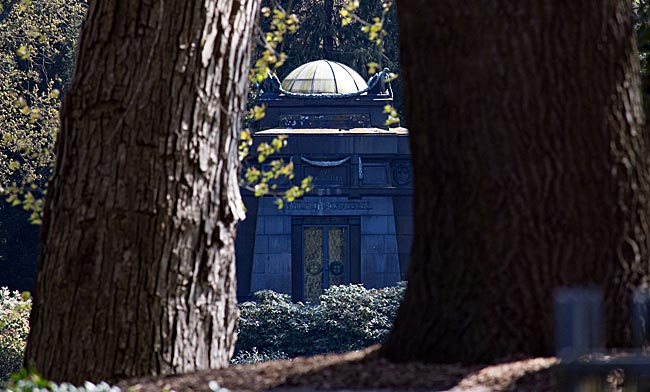
Riensberg Cemetary
Located near the Focke Museum, this cemetery was established between 1872 and 1875 alongside Waller Friedhof as a replacement for two abandoned cemeteries elsewhere. Today, the approximately 28-hectare park-like cemetery spans the lands of the former Riensberg estate, where some buildings still remain on the museum grounds. The landscape gardener and architect Wilhelm Benque was commissioned to design its gardens; he had previously been responsible for the landscaping of Bürgerpark and, among others, Knoops Park in Lesum.
read more ...
Wallanlagen
Almost entirely encircling the old town is a zigzagging park landscape featuring a moat. These remnants are the last visible traces of the fortifications that once surrounded the old town and parts of the new town until the early 19th century. The transformation into a garden landscape began in 1802 with the first section between the Weser River and Herdentor.
read more ...
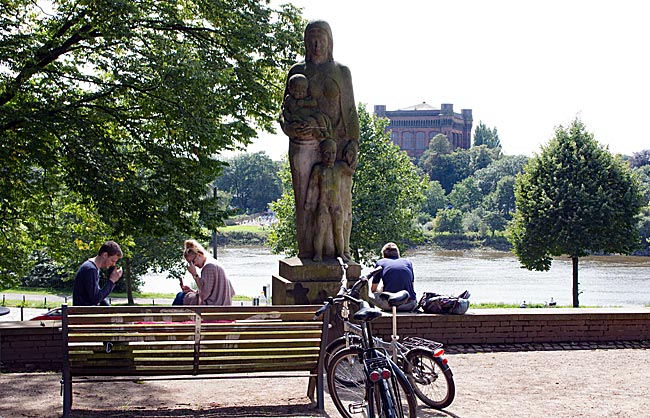
Exploring Horn-Lehe district
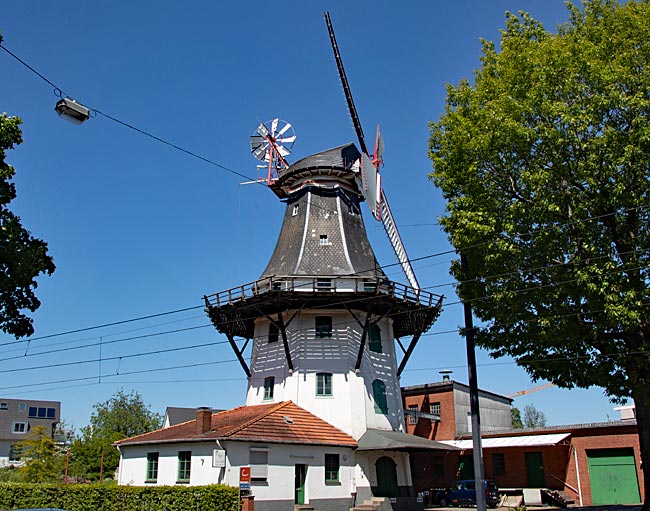
Some mills grind slowly, while others no longer operate at all - like the Horner Mill. Built in 1848 as a Dutch-style windmill, its preservation for passersby to enjoy today required significant effort and funding. It stands as the district's emblem.
read more ...