
 exploring Bremen & its surrounding areas
 You are here: worth seeing in Horn-Lehe district
 botanika
Located in the heart of the Rhododendron Park, next to the café botanika, the botanika was originally planned as a contribution to Expo 2000. However, due to various reasons, it opened later - in 2003 - as a largely glass structure.
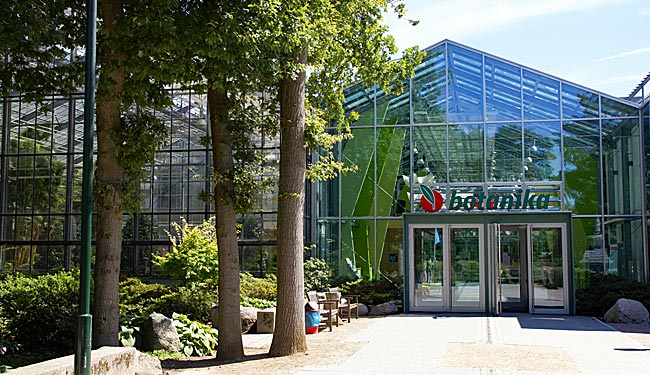
Entrance to the botanika
Inside the greenhouses, visitors are greeted by the diverse world of Asia, at least in part. Beyond the ticket and shop area in the entrance hall, one first enters a Japanese Zen garden. This artfully designed garden is home not only to azaleas and towering bamboo reaching toward the glass roof but also allows visitors to observe koi fish up close in a nearby pond. Since 2016, white-cheeked gibbons have been an attraction; after the closure of a private mini-zoo due to the owner’s advanced age, they found a new home at the botanika.
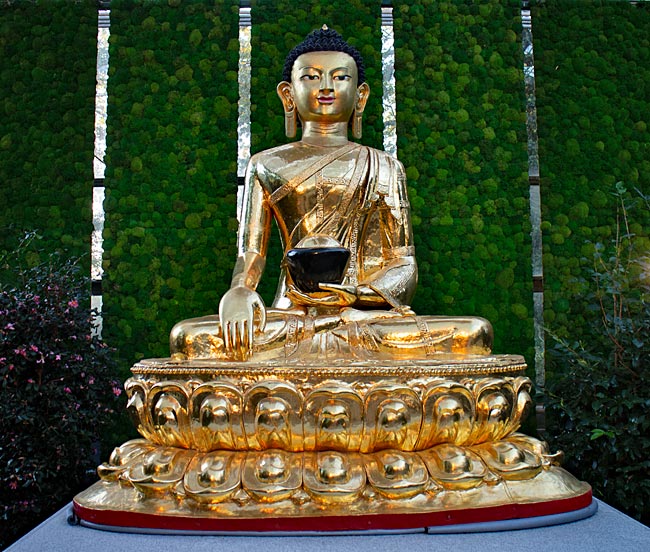
Buddha Statue
In 2017, Bremen received a special honor when the botanika was gifted a statue of Buddha by the Dalai Lama. The statue is approximately 2.5 meters tall, gilded with gold leaf, and was transported in several pieces. Intended as a symbol of peace, the Dalai Lama envisioned one such statue for each continent. The choice of the botanika as its location was not due to the institution’s initiative but rather followed a visit by a Tibetan delegation in 2004. In 2017, Tibetan scholars performed a three-day ritual blessing of the Buddha, and since August of that year, visitors have been able to admire the statue in the Japanese garden.
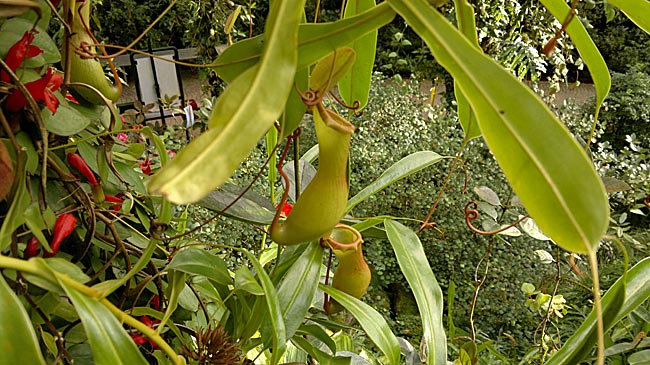
A piece of Borneo in Bremen
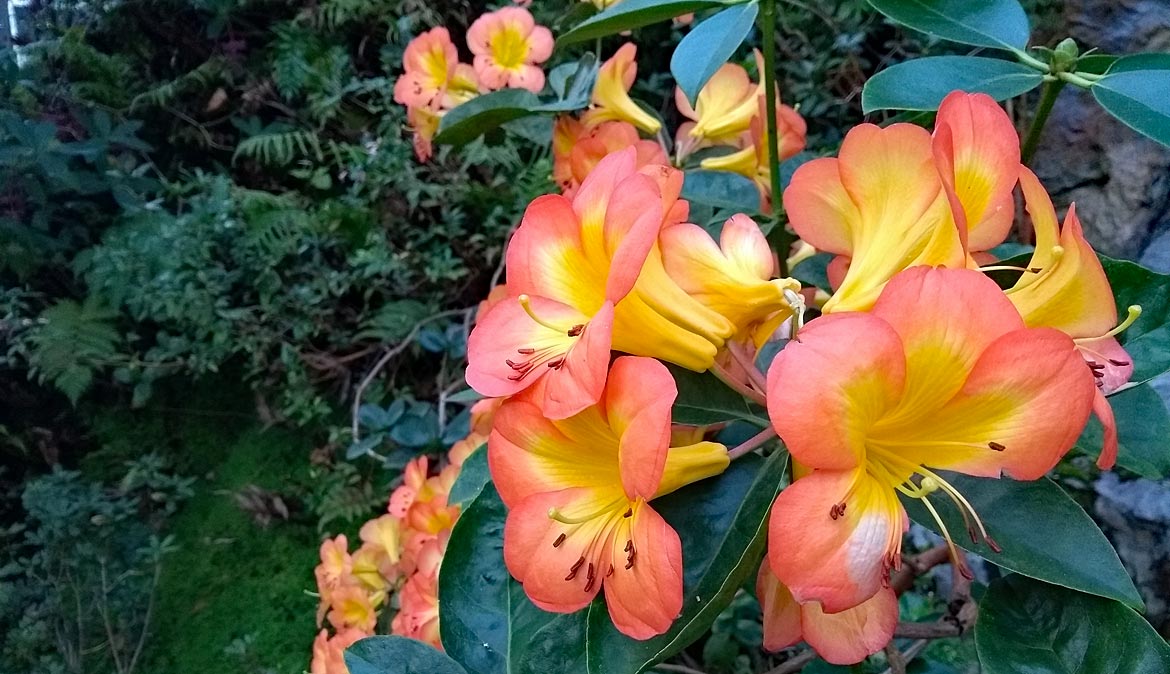
Upon entering the next greenhouse, one is greeted by humid, warm air. Tree ferns, orchids, and rhododendrons - such as the Vireya rhododendron - transform the space into a lush green landscape dotted with colorful blooms. This section showcases part of Borneo’s plant life, the third-largest island in the world, which partially belongs to Malaysia. Thanks to an adapted climate, these plants thrive around a replica of Mount Kinabalu, Borneo’s highest peak. Passing by the enclosure of a pair of free-flying bee-eaters - whose calls fill the air - visitors can also view the miniature mountain from above.
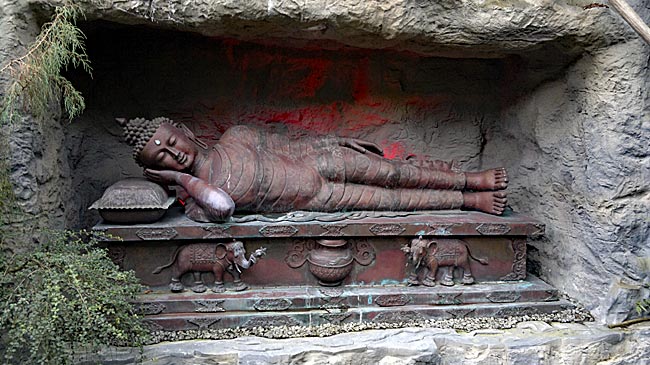
Asian Culture in the Himalaya Greenhouse
In the adjacent greenhouse, one is immersed in the world of the Himalayas. A small waterfall cascading down a walkable rock provides much of the ambient sound. Nearby, a Buddha statue nestled in a rocky niche is part of a collection of original exhibits from Asia, including prayer wheels. The space invites visitors to linger in a pleasant climate; stools are placed near the Buddha statue on a platform by the water, and a Chinese tea pavilion offers the opportunity to prepare and enjoy a cup of tea.
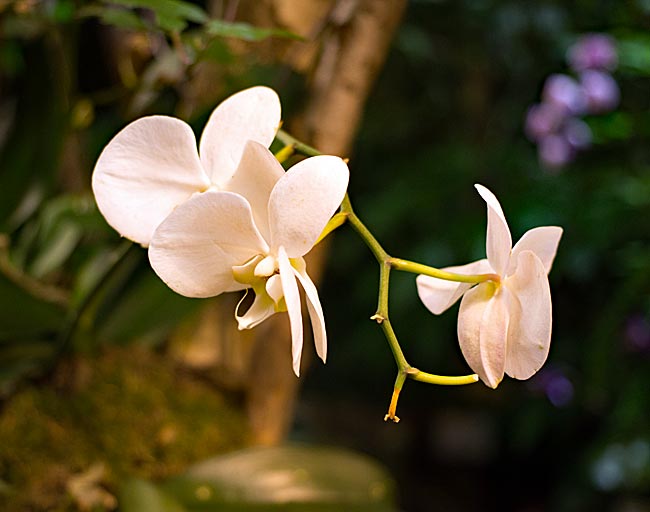
Orchid
In 2021, thanks to financial support from various donors, the botanika expanded its exhibition area from approximately 900 to around 6,000 square meters. A new tropical greenhouse - accessible via a garden (not yet planted) from the Himalaya House - was added.
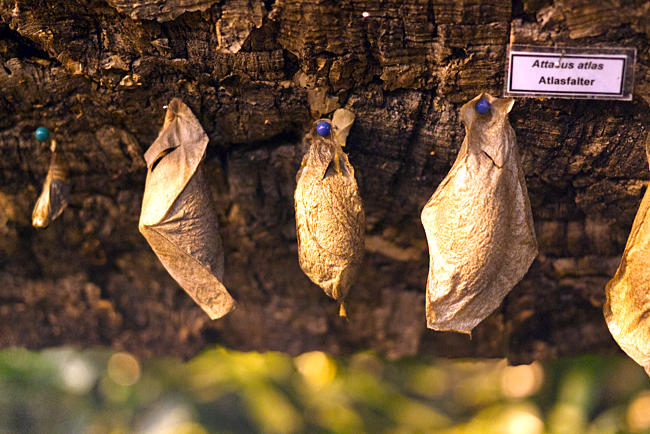
Butterfly Pupae
Previously, butterfly exhibits were only temporarily displayed in a special exhibition room (Mendehaus), where visitors could view cocoons containing pupae. Now, guests can observe these colorful creatures year-round in the tropical climate of the butterfly house, which maintains temperatures of 25°C and 80% humidity amid flora suited to this region.
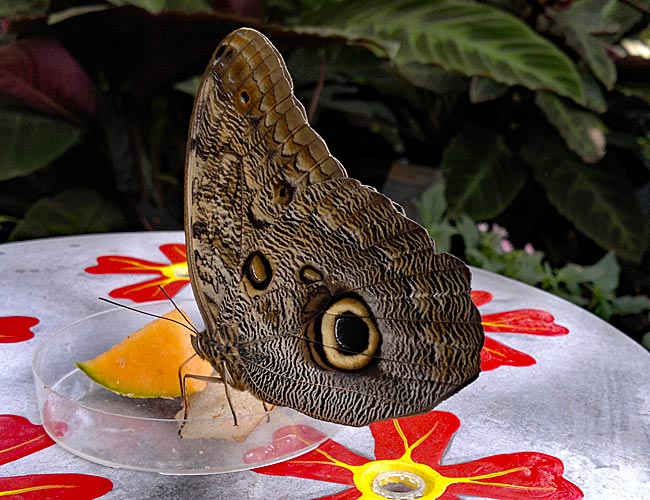
A butterfly enjoying its meal
Those who are uneasy around butterflies - some of which are quite large - might need to overcome their hesitation. Adjacent to the butterfly house, four white-cheeked gibbons have found a new home. From inside the tropical greenhouse, visitors can peer through large windows into the indoor enclosures, while only from the garden can they watch the animals climb and play in the outdoor enclosure - if they are present. Like all animals, the gibbons need privacy, so they may not be visible when resting or sleeping. While this is unfortunate, there is still much to discover.
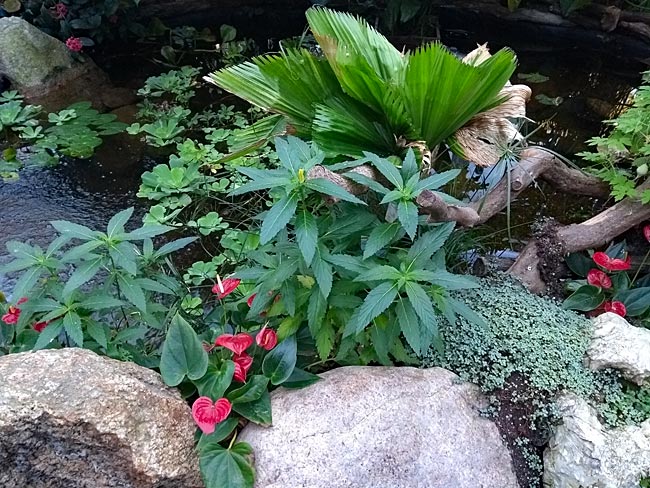
Water landscape in the butterfly house
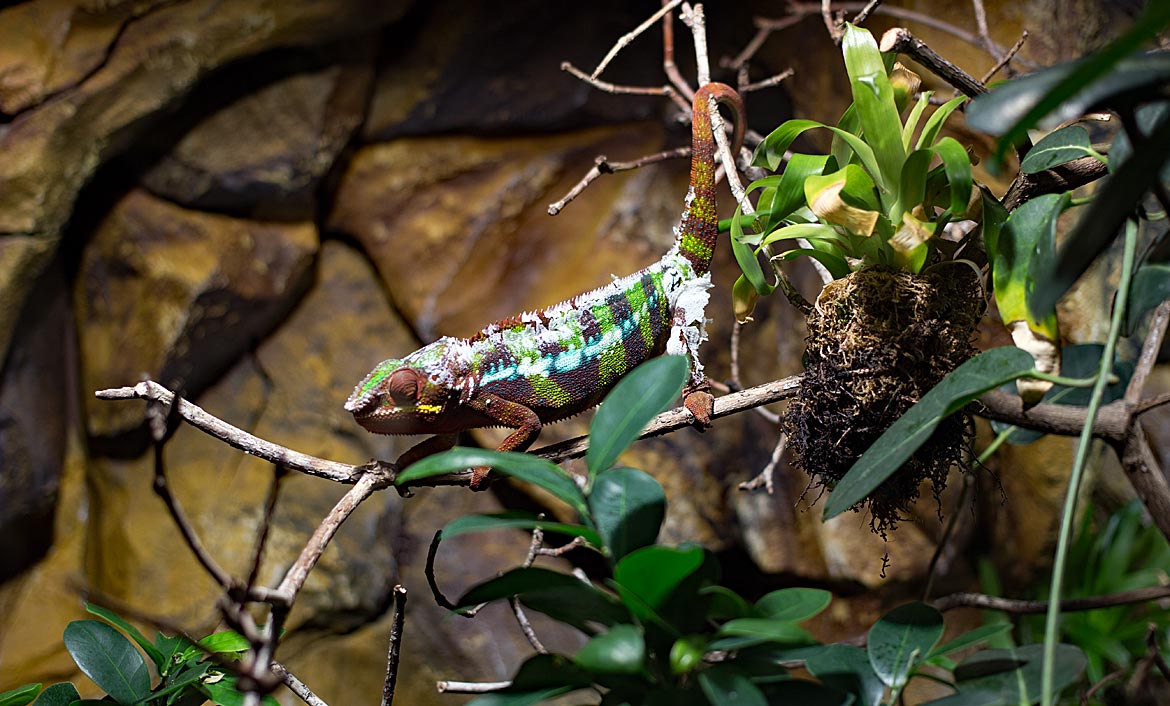
From the greenhouse area, visitors enter the Discovery Center. Alongside a few live animals such as fish, a panther chameleon, and poison dart frogs - housed in glass cases - the exhibits focus on plants.
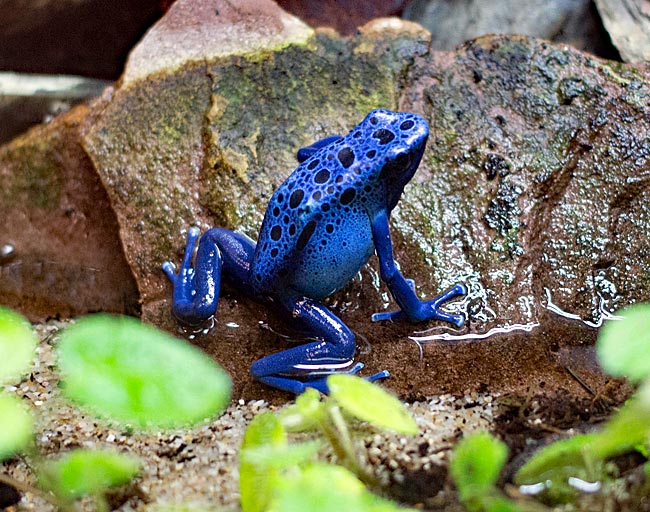
Poison Dart Frog in a terrarium
How do plants and insects interact? What strategies do plants use to survive and reproduce? These and other questions are explored here in an informative, engaging, and interactive manner. Some exhibits are for viewing only (including many videos), while others encourage visitors to smell, taste, or touch. Active participation is encouraged.
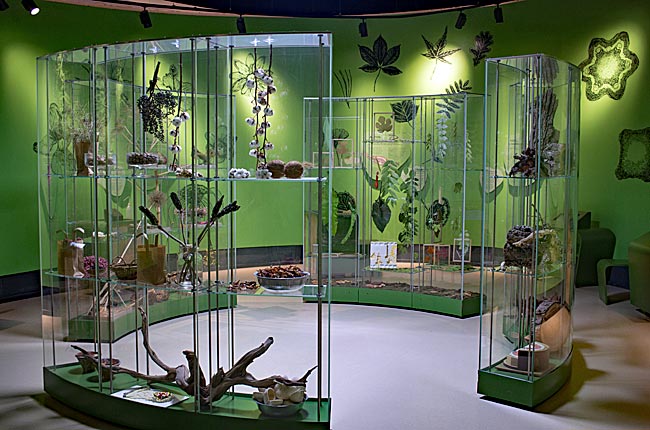
Display cases with exhibits
previous page
 next page
Map
Further information
botanika GmbH
Deliusweg 40
28359 Bremen
Phone: +49 (0)421 427066-65
Email: info@botanika-bremen.de
www.botanika-bremen.de
www.rhododendronpark-bremen.de
Rhododendron Park
Also located in the Horn district is the 46-hectare Bremen Rhododendron Park. The origins of this park actually lie in two separate parks. Around 1890, beech, ash, spruce, and especially oak trees were planted on the site. In 1936, the area - originally designed as a wildlife park - was expanded with an extensive collection of rhododendrons. To this day, the numerous deciduous trees on the park grounds provide important protection for the rhododendrons against sun and wind.
read more ...
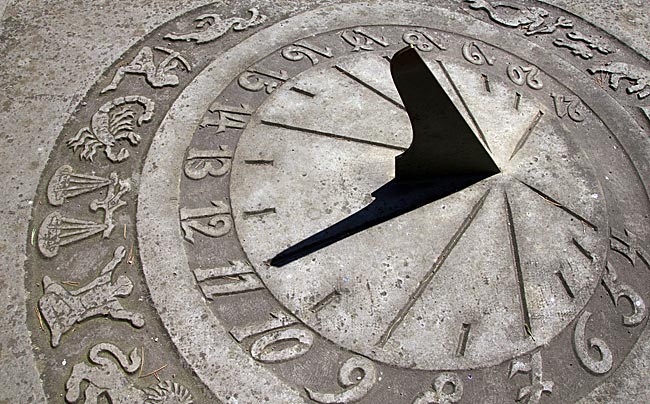
Parks & Mill in Oberneuland district
You can still sense the neighborhood's history and its former village-like structure as you drive or walk down Oberneulander Landstraße. In summer, the shade of old trees provides ample relief, while tree roots sometimes make the pedestrian side strips uneven and so narrow that you almost end up walking on the road. Along the street near the state border, several gaps appear in the residential buildings - here, three parks invite visitors and are, in fact, the reason this article is about Oberneuland.
read more ...
Bürgerpark (Citizens' Park)
A green oasis near the city center and a popular recreational area is the Bürgerpark. This expansive park, adjacent to today's Bürgerweide behind the train station, was initiated by the citizens themselves. In the early 19th century, the old defensive structures of the city had already been dismantled, transforming the ramparts into a landscaped park. However, as the city rapidly grew throughout the century, demands for more green spaces grew louder.
read more ...
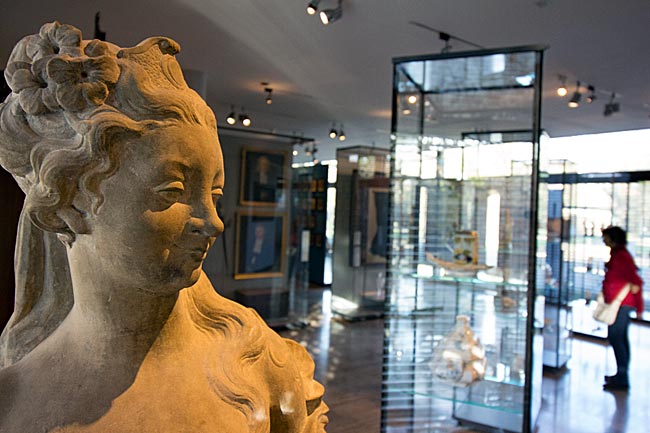
Focke-Museum
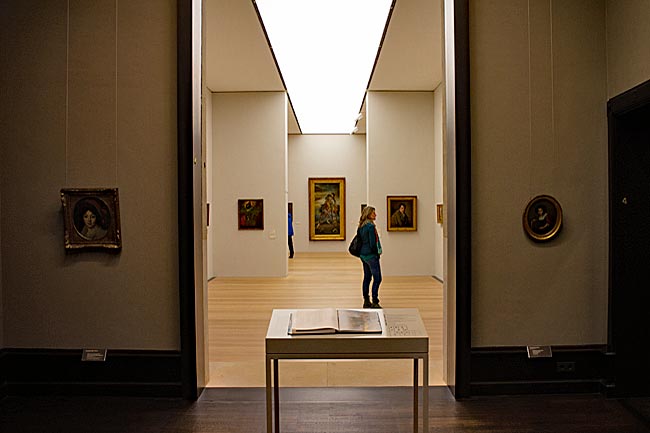
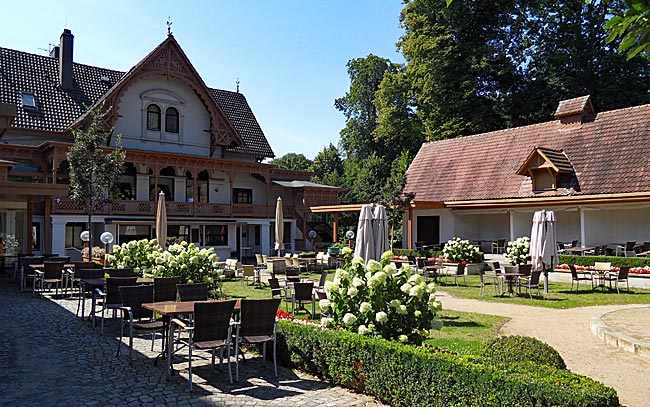
Every city has its history, and in many cities, there is a museum that tells this story. In the Hanseatic city of Bremen, it is the Focke Museum in the Riensberg district where urban history is presented most vividly. The "Bremen State Museum for Art and Cultural History" was established in 1924 by merging two collections: the Gewerbemuseum (founded in 1884) and the Historisches Museum für bremische Altertümer (Historical Museum of Bremen Antiquities, founded six years later). The museum's founder, who passed away in 1922, also gave it his name.
read more ...
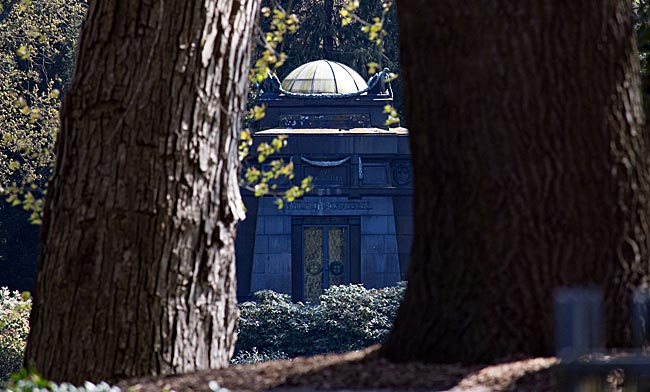
Riensberger Friedhof
The cemetery, located within view of the Focke Museum, was established between 1872 and 1875 alongside the Waller Cemetery as a replacement for two abandoned cemeteries elsewhere. Today, this well-maintained park cemetery spans approximately 28 hectares on the former estate lands of Riensberg. The landscape gardener and garden architect Wilhelm Benque was commissioned to design its horticultural layout. Benque had previously been responsible for the garden artistry of Bürgerpark and, among others, Knoops Park in Lesum.
read more ...
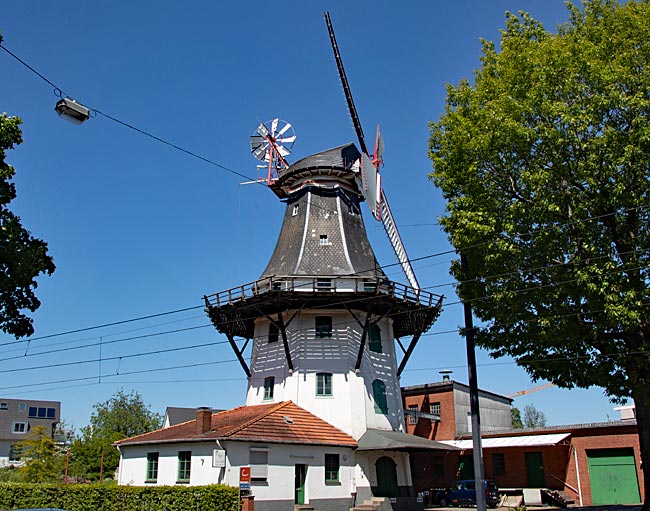
Exploring Horn-Lehe district
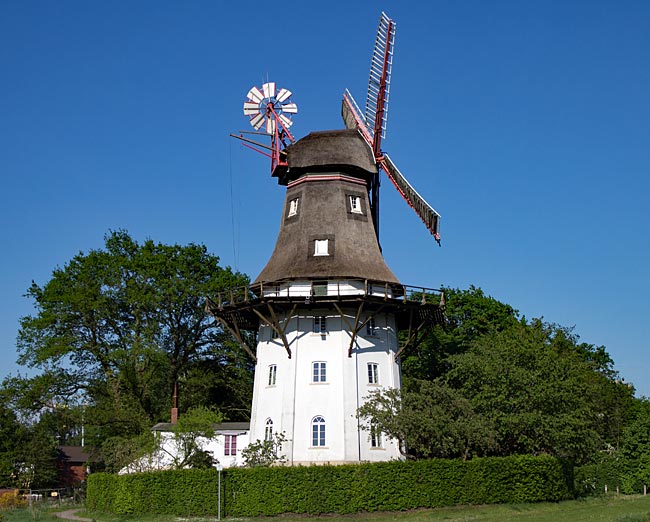
Some mills grind slowly, while others no longer operate at all - like the Horner Mill. Built in 1848 as a Dutch-style windmill, its preservation for passersby to enjoy today required significant effort and funding. It stands as the district's emblem.
read more ...
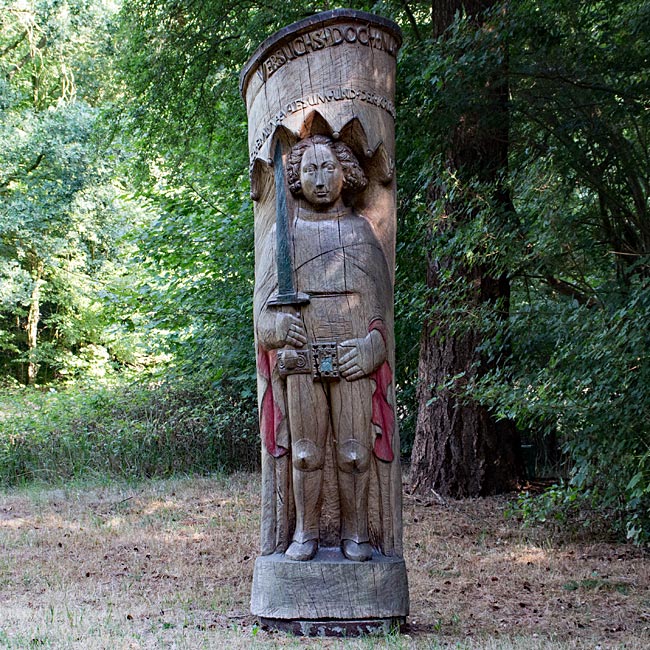
Stadtwald & Stadtwaldsee (urban forest & lake)
Stadtwald & Stadtwaldsee. The design of the Bürgerpark is attributed to Wilhelm Benque, who served as its director from 1866–1870 and again from 1877–1884. Carl Orth succeeded him in this role, and under his plans, construction of the Stadtwald began in 1907. The 66.5-hectare site north of the railway tracks had been donated to the Bürgerpark Association by the Bremen merchant Franz E. Schütte one year earlier.
read more ...
Metalhenge
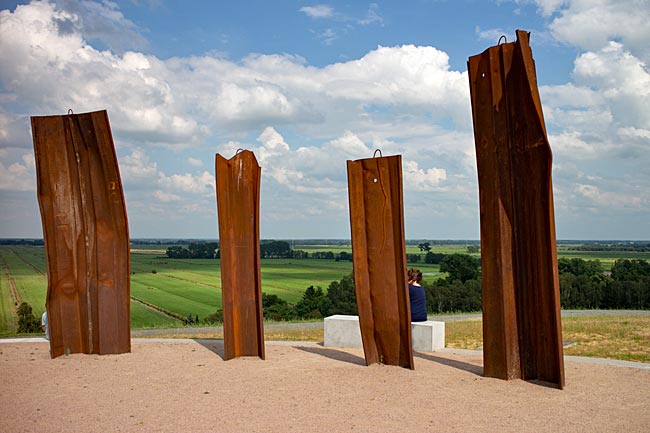
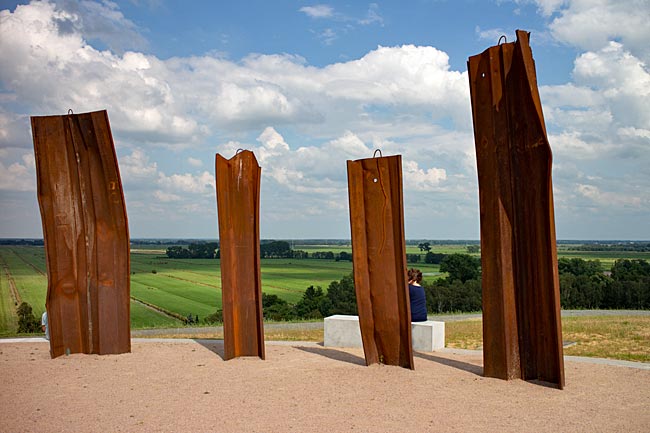
In 2021, an observation platform was opened on the first decommissioned and surface-renovated section of the landfill in Blockland. At a height of 40 meters, the barrier-free Planet Path leads visitors along. Planets? Yes, the Metalhenge structure, inspired by the famous Stonehenge, is positioned on the circular observation platform according to selected astronomical aspects. Information about this can be accessed via QR code on your smartphone. Even for those not particularly interested, the view stretches approximately 23 km across Bremen on one side and Blockland on the other.
read more ...