
 exploring Bremen & its surrounding areas
 your are here: worth seeing in the surroundings
 Weltvogelpark Walsrode (World Bird Park) 2/2
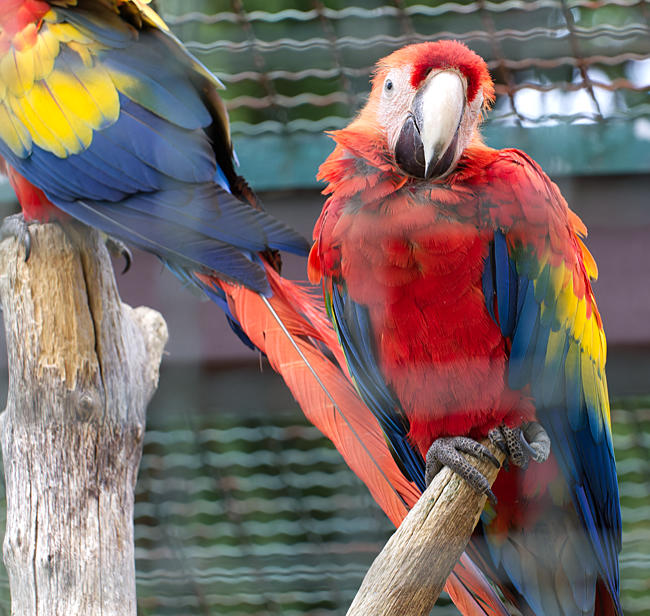
Two bright red macaws in one of the aviaries
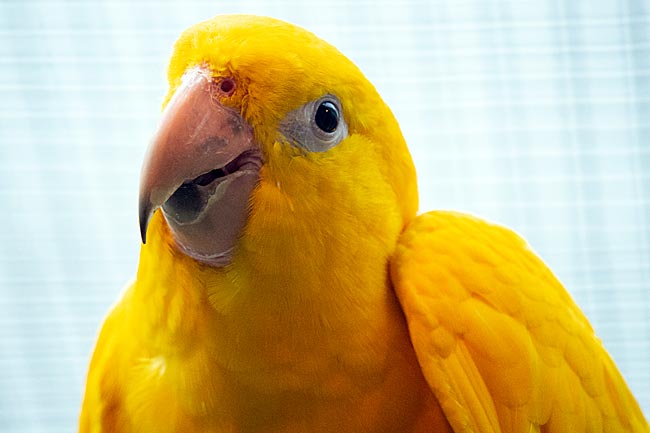
If the proximity to the animals here isn’t close enough yet, you should visit “Toowoomba.” The name-giver of the contact aviary established in 2011 is a place in the Australian outback, and among other things, the lorikeets live there. Due to their preference for nectar, these colorful lorikeets - also called honey parrots - are a subspecies of true parrots and are so tame in the bird park that they will fly onto your head and shoulders or perch on outstretched hands.
The aras, by contrast, are much larger. For example, the blue-throated macaws from Bolivia, which are threatened with extinction due to human activity, and the bright red macaws from Central and northern South America can be found in pairs with cockatoos in another part of the park in aviaries.
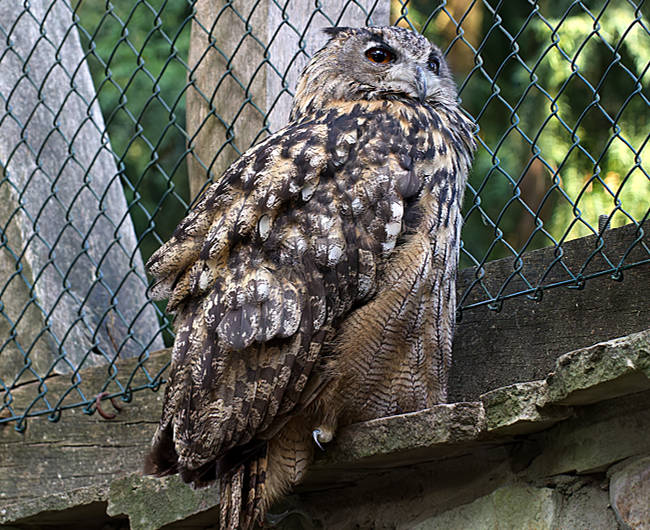
The largest owl: the eagle owl
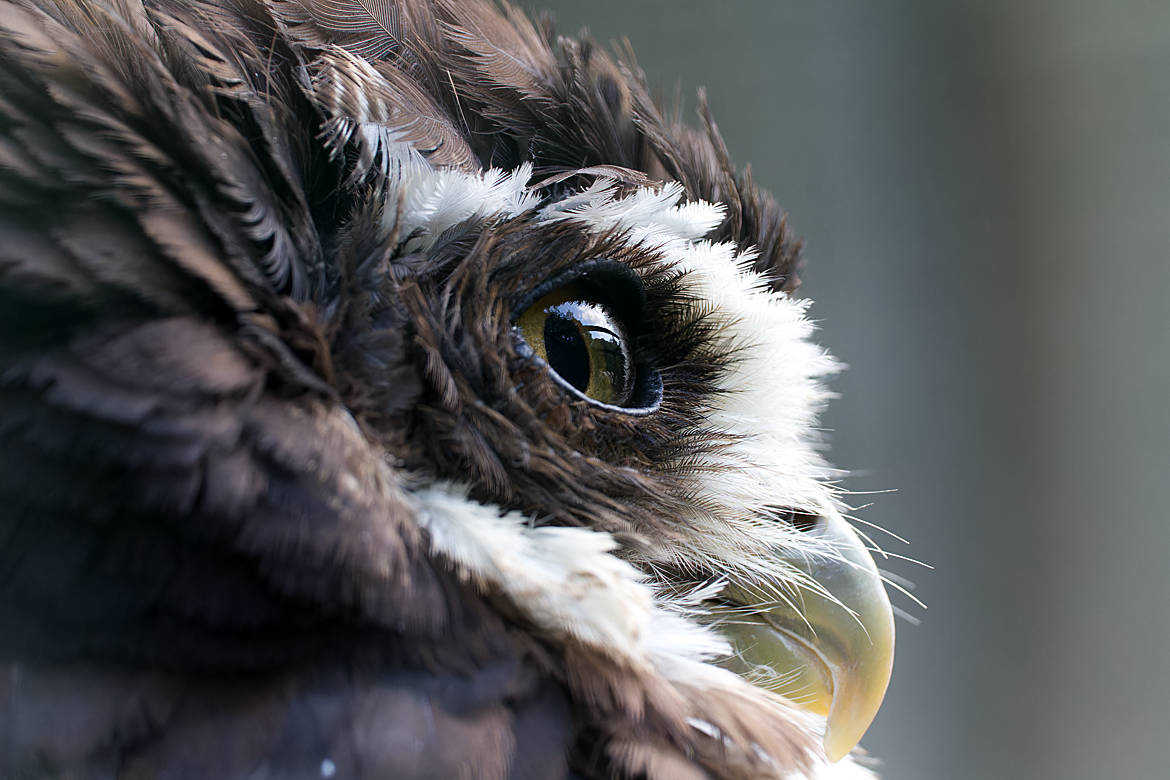
While the animals are quite active, it becomes very quiet a little further on. It’s simply the wrong time of day. In the eagle-owl castle built in 2006, owls make their home. Uhus are the largest species of owl, and when kept in aviaries like here in the bird park, the animals can live over 30 years.
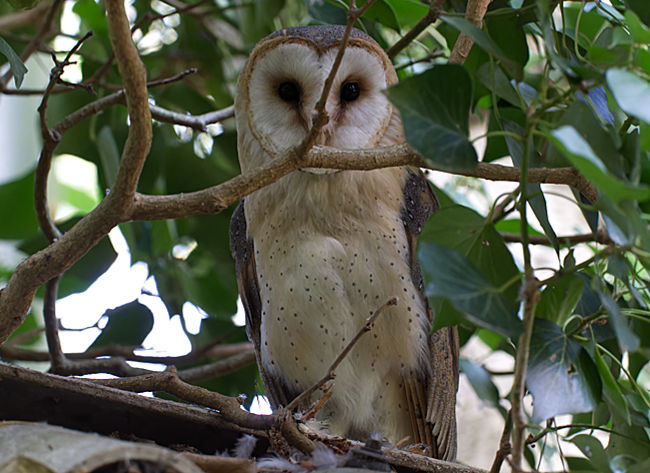
From the roof ridge of a shed, we are observed by a barn owl
But the two eagle owls are not alone in the castle partly staged as a ruin. If you go on an exploration tour through the labyrinth “into the mystical world of owls,” as a sign invites, you will discover more of these nocturnal animals. Without any disturbing wire mesh between us, we are observed by a barn owl that looks down on us from a safe distance.
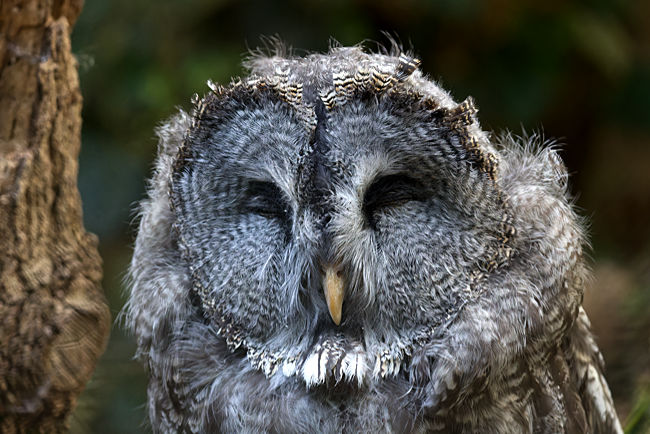
A tawny owl dozes on a branch
In another aviary during the tour,a tawny owl dozes on a branch and yawns once without opening its eyes, while a snowy owl opposite walks across the floor of its enclosure. With its white plumage, the owl - which belongs to the genus of eagle owls - is actually adapted to colder climate zones.
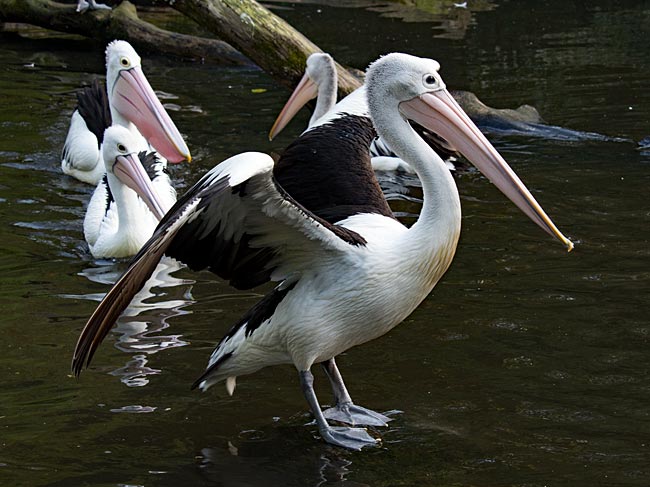
The pelicans live in larger groups in the bird park
This does not apply to the predominantly white pelicans, however, as this species is native to warmer regions in Australia,Tasmania, and somewhat further north. With their large throat pouch, fused with the lower jaw, which they use like a landing net to catch their food from the water, the water birds sometimes look unintentionally comical. As visitors, you can watch the feeding of the large birds twice daily.
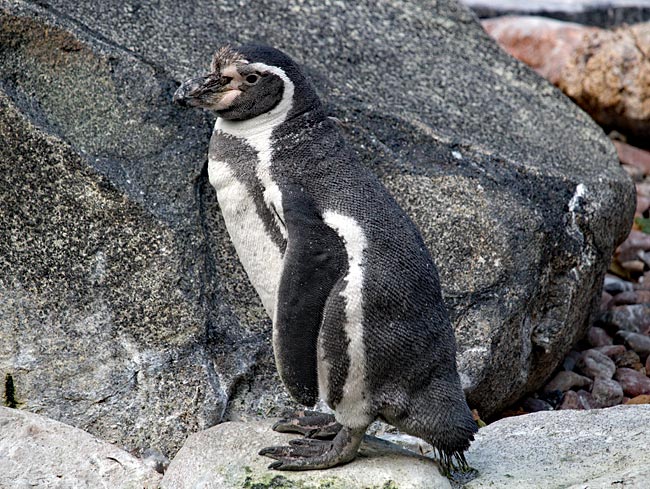
Penguins are excellent swimmers
This also applies to penguins. The elegant black-and-white tuxedo wearers demonstrate their extreme speed and agility when they dive after small fish thrown into the water during feeding. This elegance of flightless water birds, which only occur in the southern hemisphere, is somewhat at odds with their mobility on land.
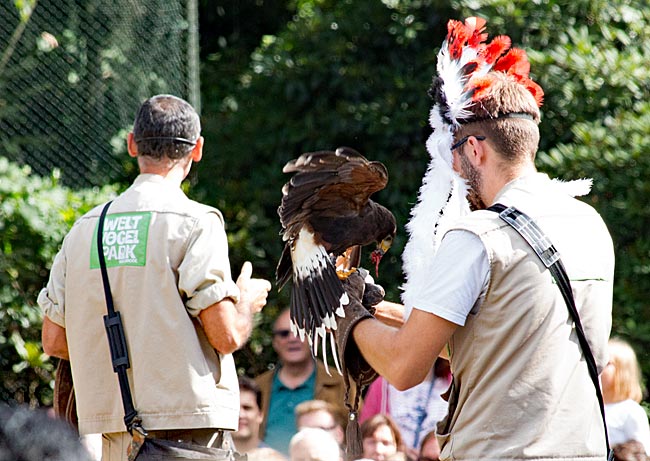
The bird of prey receives its reward
Speaking of mobility: impressive are also the daily flying shows on the open-air stage between the large fountain and the free-flight hall. Critics may argue that animal shows should be banned, but here, the animals are not forced into unnatural behavior; instead they display their flying skills. And those are impressive. A classic at flying shows are performances with various birds of prey, as also in the bird park. The warning notices to spectators to keep small children close and not to stand up should be followed, because shortly afterward, two huge birds of prey swoop over the audience’s heads in low flight and make several rounds. A murmur goes through the crowd.
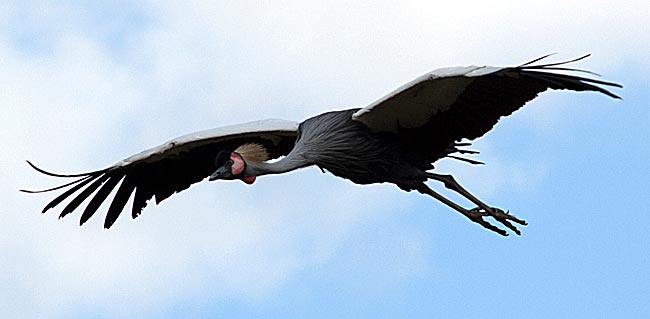
At the end of a flying show, many cranes are suddenly in the air
Everything shown is supplemented with well-understandable explanations and elaborations, so that you learn more about the natural way of life and behavior of the animals. But the shows do not limit themselves to birds of prey; equally involved are macaws, cockatoos, owls, a secretary bird, cranes, and even pelicans.
Conclusion and tips for a visit to the bird park
At first glance, the entrance fee may not be a bargain price, but employees need to be paid, the animals fed, and the grounds kept in order. In addition, there is much more to see and do yourself than our article describes. This puts the height of the entrance fee into perspective, especially since there are discounts for visiting on a second day. A trip is definitely recommended for the whole family. It’s also worth coming early so that you have more time at the back without rushing. The park is really big, and it’s great to be able to observe animals longer without time pressure.
Bringing a bottle of water is never wrong, but it’s not absolutely necessary to pack the full picnic equipment, even if you stay there during the entire opening hours; there are enough supply options in the park. Those who still rely on self-catering will find a spot for it in the park.
Anyone who enjoys photography and has a camera with interchangeable lenses should also pack a telephoto lens. Many places offer the possibility to rent a suitable lens for a fee if you don’t have your own in stock. And 300 millimeters focal length is not too much.
By the way, dogs are not allowed in the park, but can be accommodated in limited numbers on site.
previous page
 next page
Map
Further information
Vogelpark Walsrode GmbH (Weltvogelpark Walsrode)
Am Vogelpark
29664 Walsrode, Germany
Phone: +49 (0)5161 6044-0
Email: info@weltvogelpark.de
www.weltvogelpark.de
Geöffnet täglich ab 10 Uhr bis 17/18/19 Uhr (saisonabhängig)
Niedersächsische Mühlenstraße: www.niedersaechsische-muehlenstrasse.de
Impressions from the Weltvogelpark
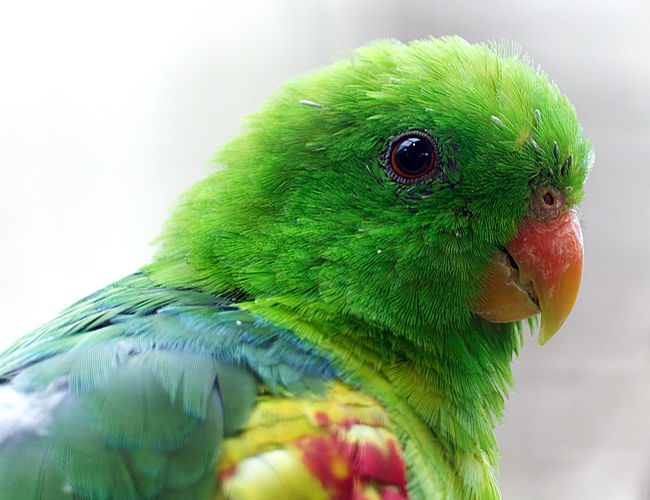
Timor red-winged parakeet
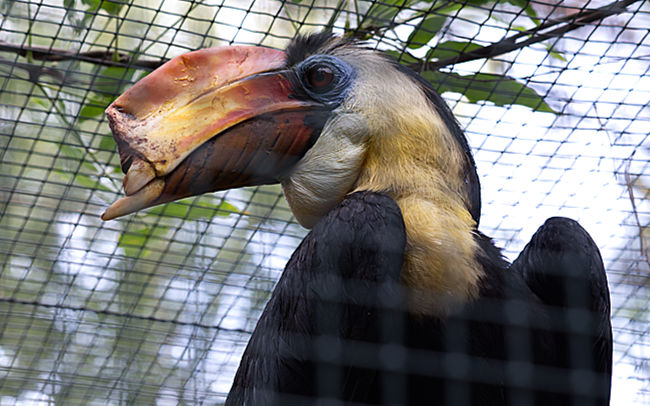
Wrinkled hornbill
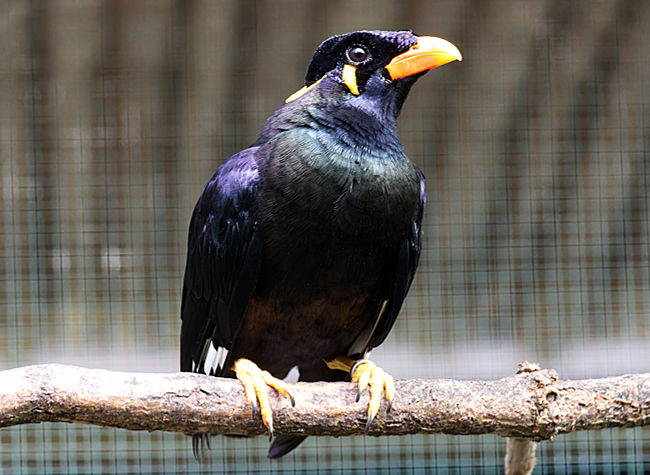
Hill myna
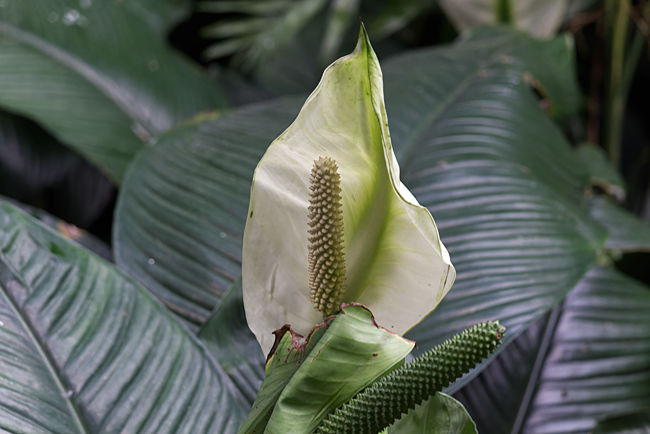
Plant in the tropical house
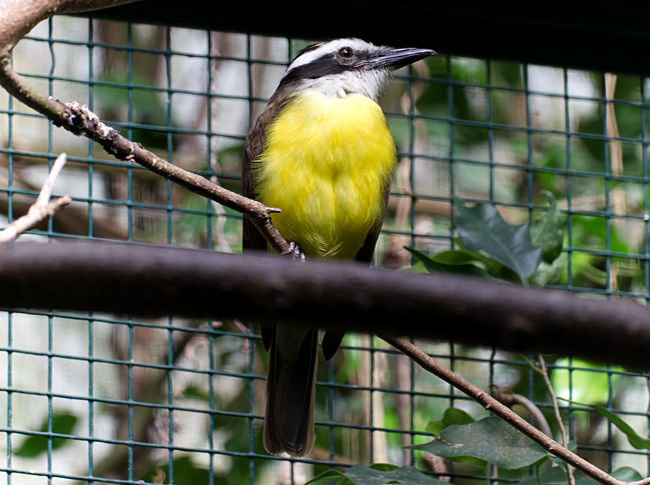
On the "Jungle Trail," you sometimes have to look closely
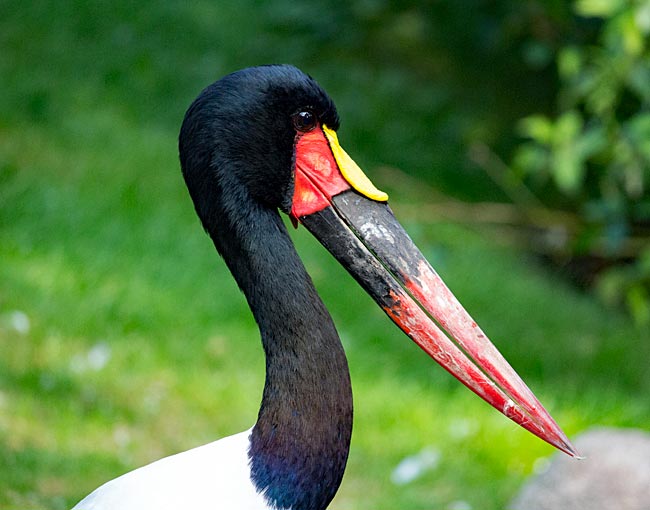
Well, who am I?
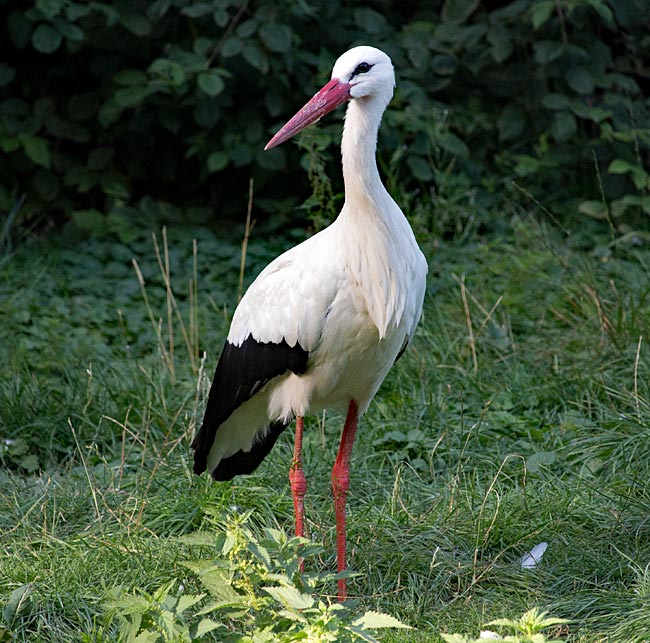
Stork
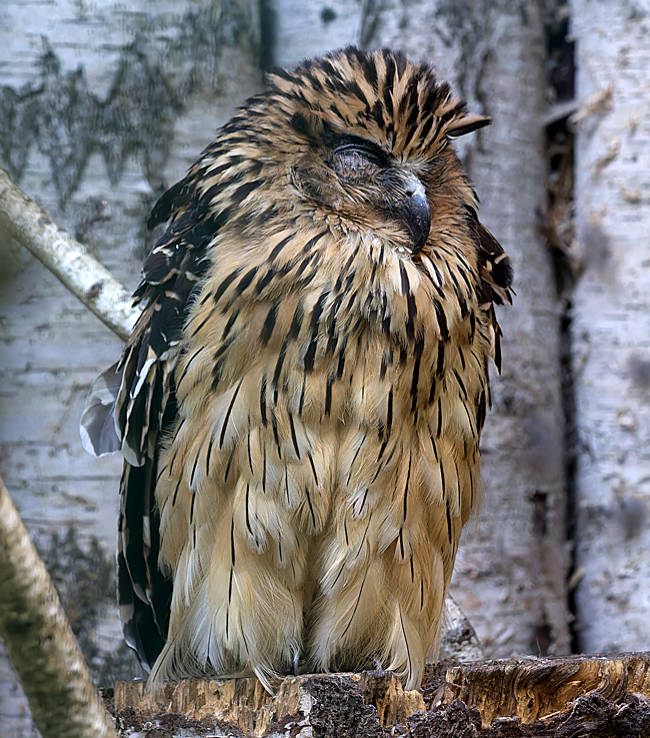
Sunda frogmouth
Tip: Bremer Bürgerpark
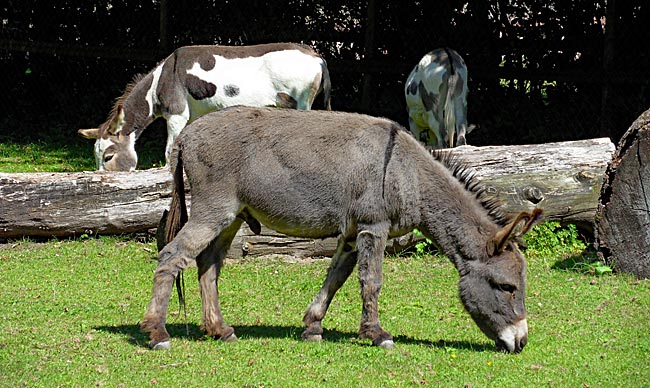
A green oasis near the city center and a popular recreational area, the Bürgerpark (Citizens' Park) is a highlight with its small zoo in the middle of the park. For several years now, mainly local animal and bird species have been on display here, such as red and fallow deer, mountain goats, sheep, Bentheimer pigs, and occasionally you can hear the peacock calling through the forest. A bit of remaining exoticism is provided by guinea pigs and zebus.
read more ...
Tip: Wolfcenter Dörverden
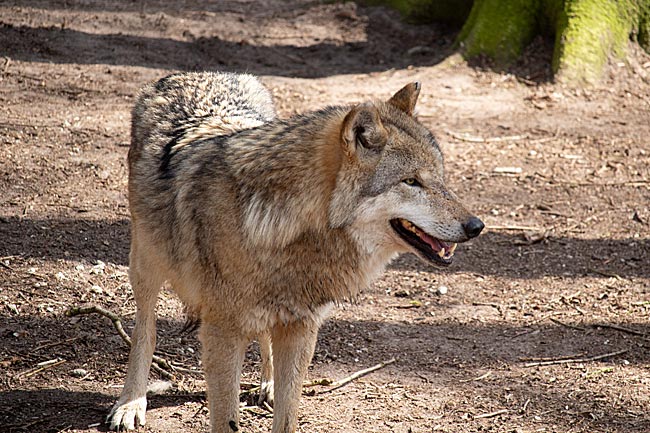
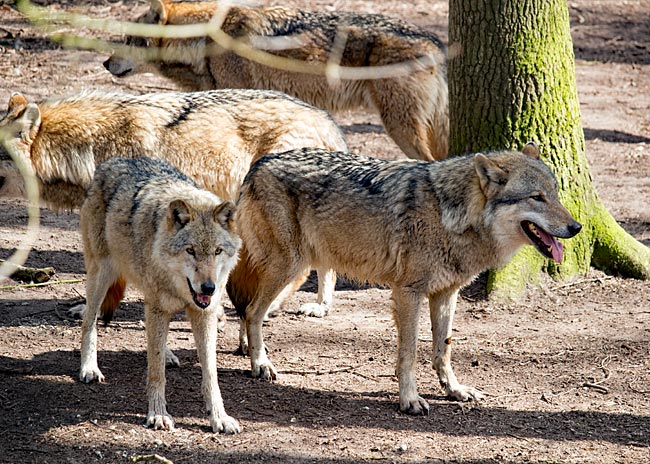
The goal of the Wolfcenter is to foster understanding for these animals through education - animals that are actually part of our local fauna. This is done with great expertise. The wolf is the largest predator in the dog family, and if a pack of wolves can take down an adult moose, then a human is a relatively small obstacle. However, humans do not belong in their prey scheme; conflicts primarily arise from situations involving competition for food.
read more ...
Tip: Zoo am Meer in Bremerhaven
Alongside the harbor facilities from the 19th century, the Zoo am Meer (Zoo by the Sea) is the oldest attraction on the site between the Weser River and the pedestrian zone; it opened as early as 1928 under the name "Tiergrotten" (Animal Caves). The enclosures house polar bears, seals, penguins, various bird species like gannets and keas, reptiles such as turtles, raccoons, Arctic foxes, pumas, monkeys, and others - nearly 50 animal species in total.
read more ...