
 exploring Bremen & its surrounding areas
 You are here: tours through the city
 Round trip:
from the city center to Weser weir & back (3/3)
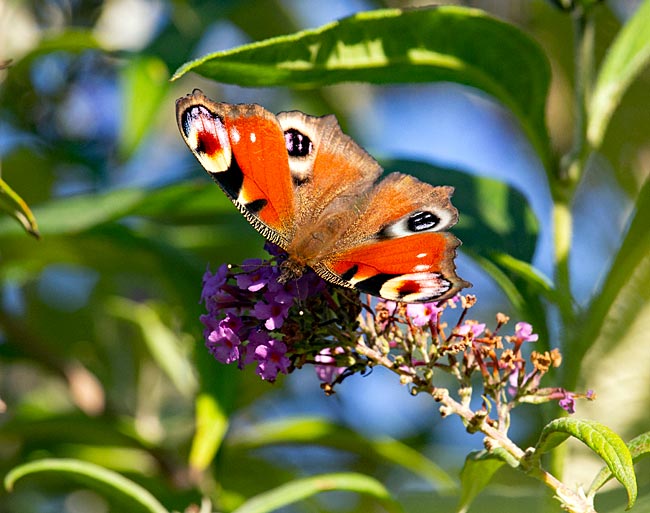
The Small Fox belongs to the family of Edelfalter butterflies. The approximately 17,000 allotment gardens in Bremen make an important contribution to preserving biodiversity and protecting small animals and insects
On the side of Werdersee, shortly after passing under the Karl-Carstens Bridge and beyond Vogelinsel - a breeding protection area that must not be entered - you reach the largest swimming area with a sandy beach, a non-swimmer section, and a DLRG station (rescue). Adjacent to this, you can officially grill outdoors on a lawn. Behind it, numerous allotment gardens belonging to various associations stretch out. These gardens, each around 300–400 square meters in size, primarily served as self-sufficiency for city dwellers through vegetable and fruit cultivation during times of poor supply.

Unripe mirabelle plums on a tree
The plots on Stadtwerder were established after World War I, and even today, the Federal Allotment Garden Act (yes, it really exists) clearly regulates what is not allowed and what should be, including "the production of garden produce for personal use." Beyond that, these park-like allotment areas also serve as recreational spaces for non-gardeners, just as they do on Stadtwerder.
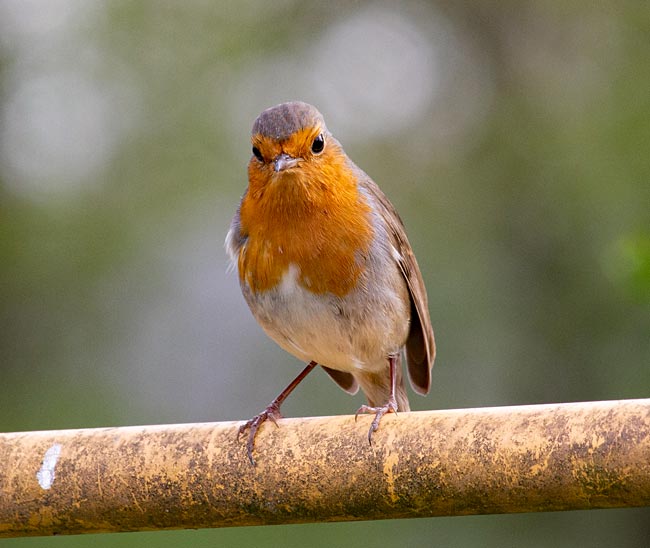
Allotment gardens are also a paradise for birds, like this robin
Almost in the middle stands "Der Kuhhirte," a restaurant with North German cuisine since 1996 and an open-air beer garden with a stage for live events. The name dates back to the former use of the river peninsula as city-owned pastureland starting in 1433. In the city chronicles, a cattle herder with a residence at this location is first mentioned in 1662. Since the salary of the herder appointed by the Hanseatic city was rather modest, he was legally allowed to sell milk. The current buildings - the former stable, house, and tower - were erected in the second half of the 19th century, later renovated several times, and used for various purposes.
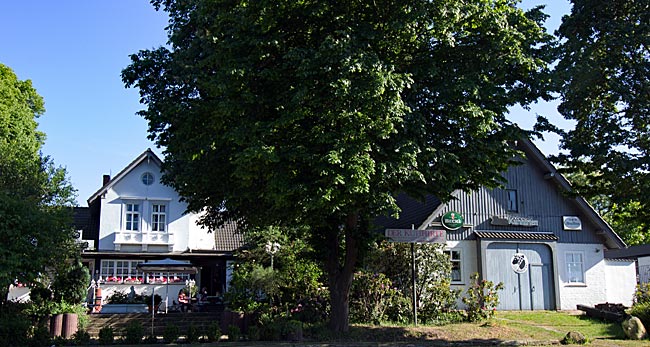
"Der Kuhhirte" - a house with a long tradition
Starting in 1899, things became even more eventful on Stadtwerder when the son of the then cattle herder founded, along with some other sports enthusiasts, the "Fussball-Verein Werder Bremen von 1899" (Football Club Werder Bremen), laying the foundation for today’s Bundesliga club, which no longer trains and plays on Stadtwerder but in Peterswerder. The trigger was winning a soccer ball that a group of secondary school students had won at a sports competition the previous year. Although the ball sport was not entirely unknown, it was not yet widespread. It had only developed a few decades earlier in Britain and gained increasing popularity on the European mainland in the 1880s and 90s.
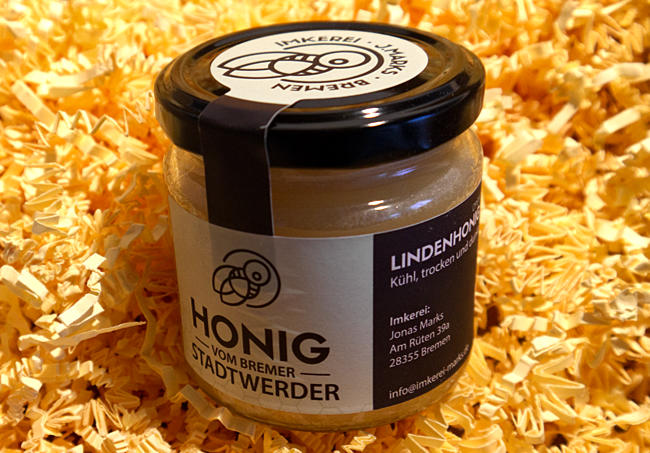
Honey from Stadtwerder. Delicious, but also suitable for temporarily sticking sports certificates to the wall - though one shouldn’t play with food
On the way back toward the city center, you pass by sports facilities, Café Sand with its small beach, as well as a motorhome parking area with over 70 spaces surrounded by many trees right on the Weser. You couldn’t be in a better spot with your mobile home; by bike, you’re just minutes away from the Neustadt district and the city center.
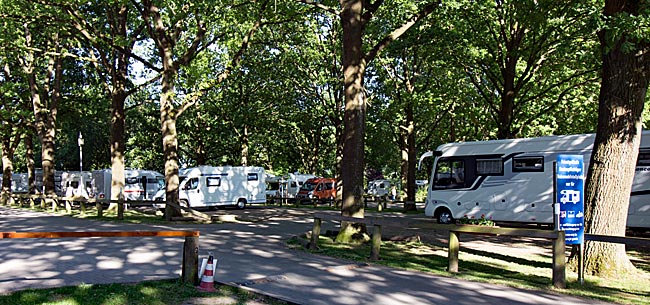
The motorhome parking area on the Weser near the restaurant "Der Kuhhirte" is well shaded by trees
Not far from the parking area stands a red-brick building that Bremers affectionately call the "upside-down dresser," a comparison that, upon closer inspection, isn’t entirely unfounded. So, the originally even longer four corner towers of this otherwise almost square, architecturally historicist brick building jut into the sky like legs. The tower, which has been under monument protection as a cultural heritage site since 1978, is the old water tower of the Hanseatic city. Since 1394, Bremen has had a central water supply. Until the first half of the 19th century, water needed from the Weser was pumped up using a scoop wheel, as shown by a wooden model in the Focke Museum. Later, steam-powered pumps transported the water.
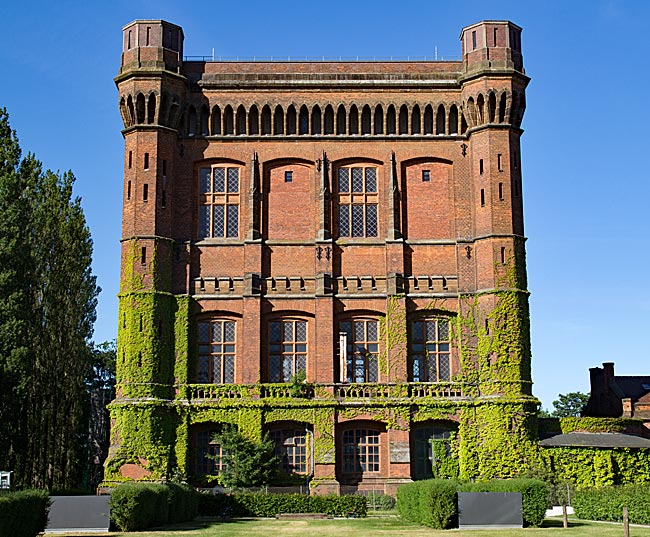
The "upside-down chest of drawers," the old red-brick water tower
In this way, even the purified drinking water reached the tower designed by architects Rudolph Berg and Johann Georg Poppe and built between 1871 and 1873. The water tanks were located in the upper part of the building and connected via a pipeline system to one of the four towers. Two other towers served as chimneys for the steam engines, and the fourth as a staircase. Since 1983, the water tower has no longer been used for the city’s water supply, and in 2008 it was finally sold because a project with residential and office buildings was planned for the site and implemented from 2010 despite opposition from parts of the population.
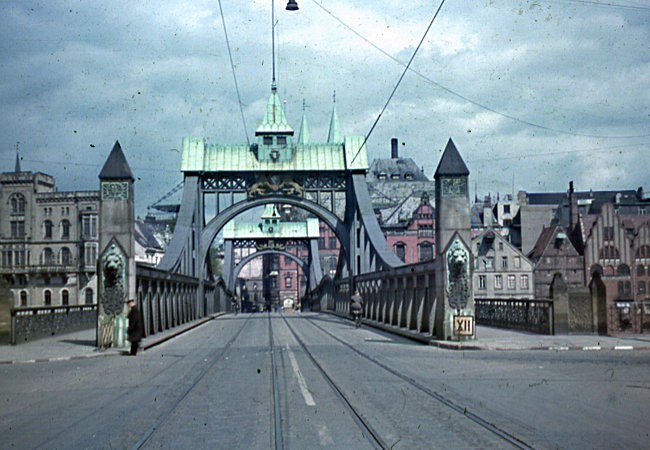
The "Große Weserbrücke" (Great Weser Bridge) with a view from Neustadt to the city center in 1944. The bridge and most buildings did not survive the war. Archive photo
Water is also the theme at the nearby Nautical College, where future sailors are trained, and where both the observatory and the planetarium have their facilities. On the other side of the street, the German Maritime Search and Rescue Society (DGzRS) has its headquarters. Before heading back to the starting point of the tour at Tiefer via the Wilhelm-Kaisen Bridge (formerly "Große Weserbrücke"), you encounter the bust of Ludwig Franzius at Franziuseck, who, as Bremen’s chief building director at the end of the 19th century, earned merit for the Hanseatic city through construction measures on the Weser. You can read here how and why.
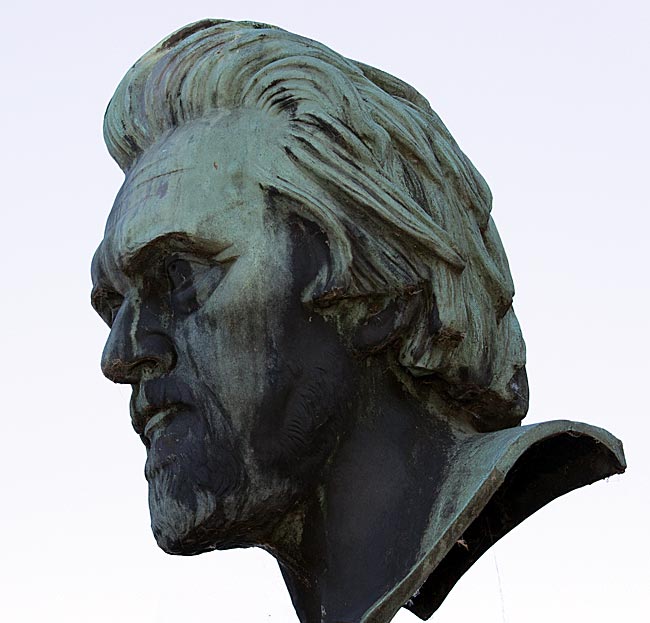
The bust of Ludwig Franzius at Franziuseck in Neustadt district
previous page
 next page
Further information
www.cafe-sand.de
www.hal-oever.de
https://becksambiente.de
www.weserterrassen.com
www.werder.de/fankurve/stadionerlebnis/wuseum/
www.Bremer-baeder.de
www.juergenshof.com
www.sportgarten.de
www.derkuhhirte.de
www.stellplatz-bremen.de
Camping in Bremen
For campers with motorhomes, caravans, or tents, Bremen offers HanseCamping, a 5-star site. The campsite, which has 153 pitches, is conveniently located for both arrival and connections to the city center. Alternatively, there is a well-located parking area on Stadtwerder directly by the Weser River, exclusively for motorhomes or caravans. The Kuhhirten site with 50 pitches under trees provides all the essentials - water supply and disposal, electricity, toilets, and showers - for an enjoyable stay.
Weiterlesen
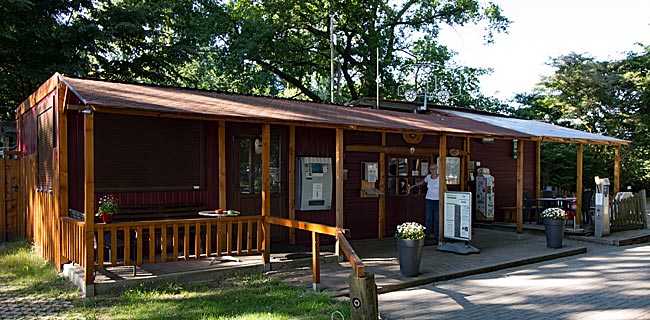
Focke-Museum
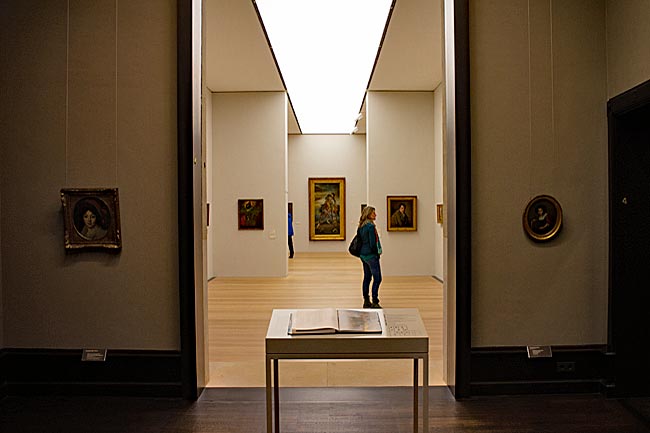
Every city has its history, and in many cities, there is a museum that tells this story. In the Hanseatic city, it is the Focke Museum in the Riensberg district, where urban history is presented most vividly. The "Bremer State Museum of Art and Cultural History" was established in 1924 by merging two collections: the Gewerbemuseum, founded in 1884, and the Historisches Museum für bremische Altertümer (Historical Museum for Bremen Antiquities), founded six years later. The museum's founder, who passed away in 1922, also gave it his name.
read more ...
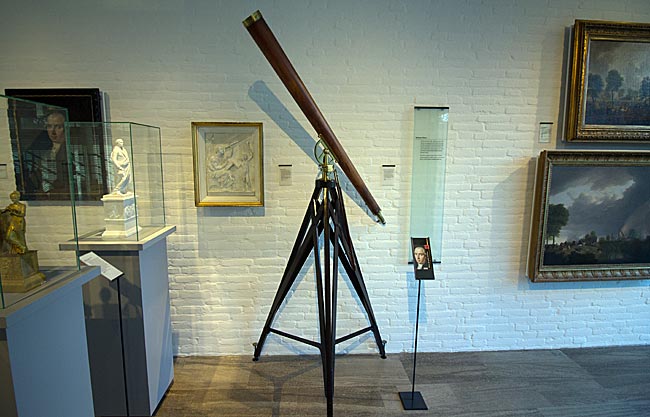
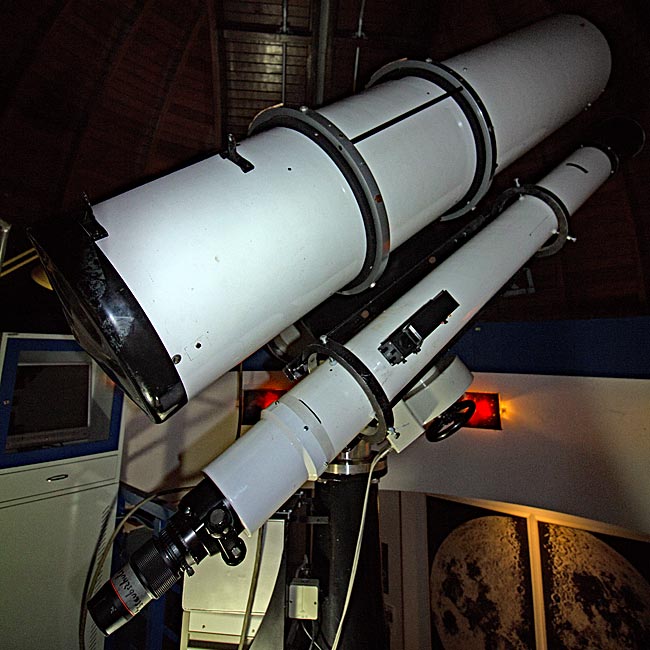
Observatory & Planetarium
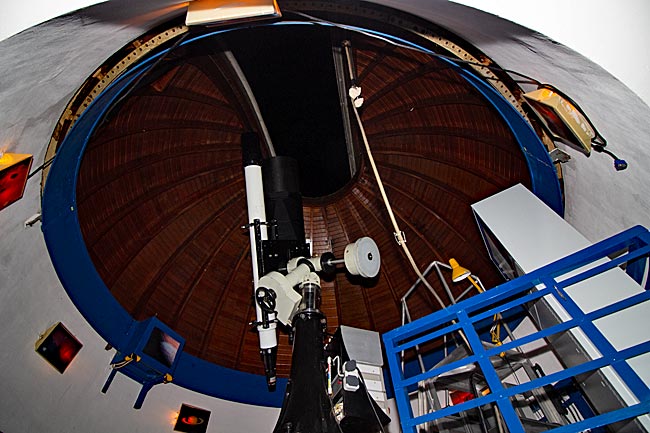
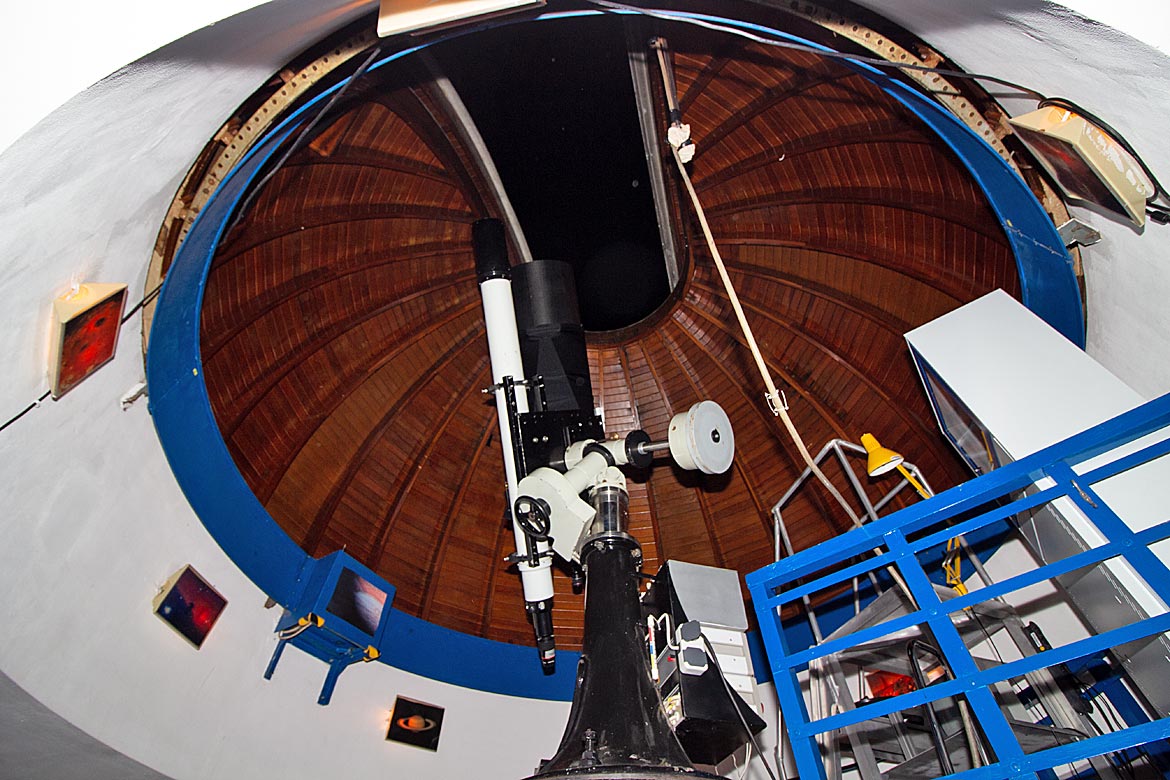
On selected days, visitors can also look through the large stationary and smaller mobile telescopes of Walter-Stein Observatory, which are set up on the terrace for the occasion. In the Olbers-Planetarium in the same building, members of the society give lectures on varying topics. Opened in 1952, the Olbers-Planetarium features a dome with a diameter of 6 meters, making it one of the smaller planetariums. It offers 35 seats (including wheelchair-accessible options) for visitors.
read more ...
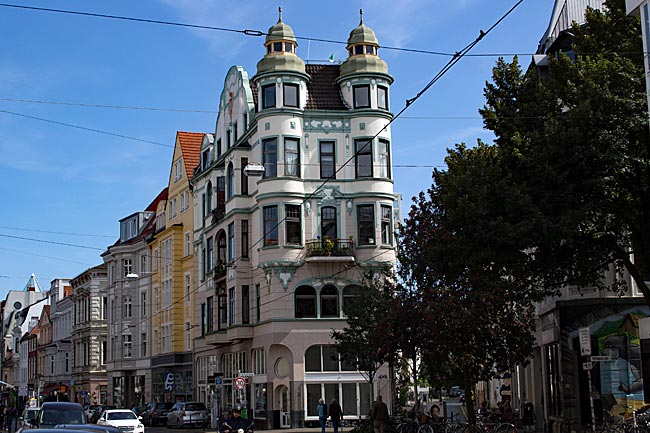
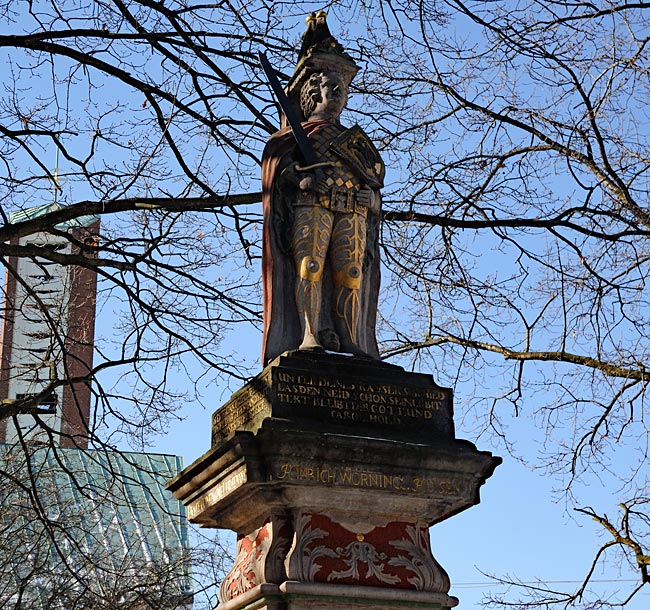
A stroll through the Neustadt
The Old Neustadt was only properly established as part of the district in the 17th century. One reason for this planned expansion of the city was the increasing threat posed by advancements in weaponry. Remnants of the defensive walls built at that time still exist today as parks, but there is much more to discover, such as the Little Roland.
read more ...
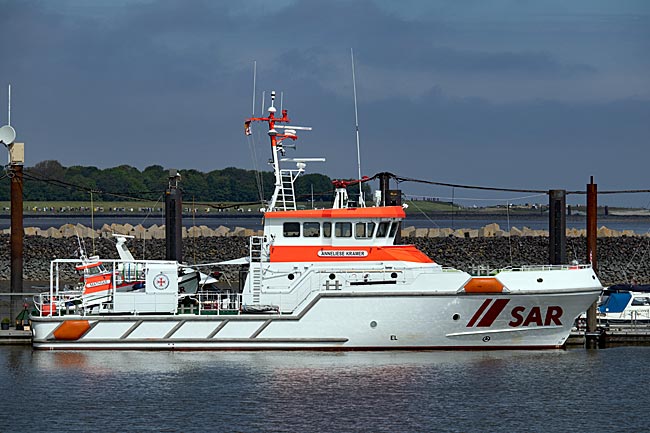
DGzRS - The Maritime Rescuers
Anyone in distress at sea today has far better chances of receiving help, even out on the open water, thanks to modern technology and professionals who take care of it. Along Germany’s North and Baltic Sea coasts, these are primarily the approximately 1,000 full-time and volunteer men and women of the DGzRS (German Maritime Search and Rescue Service), also known as "The Maritime Rescuers." In 2020 alone, they conducted 1,720 operations and rescued 357 people. Since its founding, the organization has helped 86,000 individuals.
read more ...
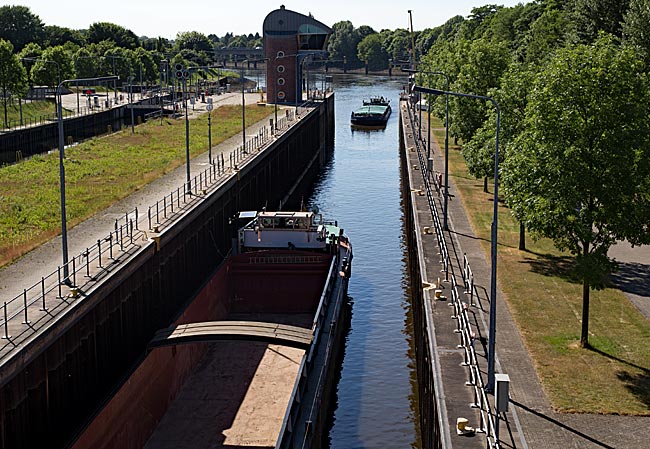
The Weser weir
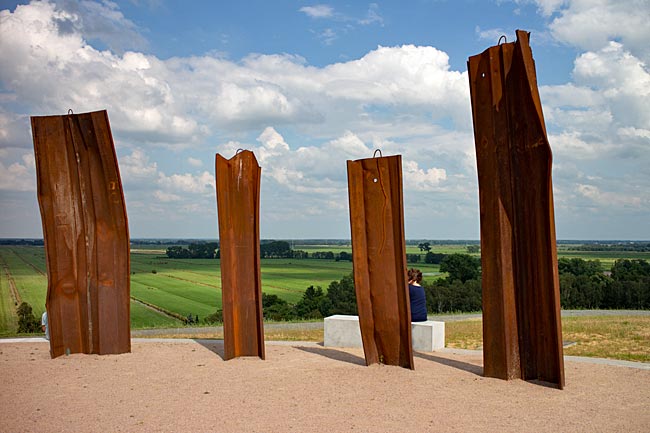
After the old Weser weir from 1911, one of seven weirs on the Weser, had become dilapidated, a newly built Weser weir was put into operation in 1993. To make navigation possible at all, the weirs are equipped with locks. In the chambers up to 225 meters long, inland vessels with a maximum width of 11.45 meters are locked through. The difference in water levels ranges between approximately three and a half and six and a half meters. As in the past, electricity is still generated by hydropower today. The weir is accessible to pedestrians and cyclists. There is something to see here.
read more ...
Through Woltmershausen to Lankenauer Höft
A truly maritime bike tour takes you from the Stephani Bridge through Hohentorshafen and Woltmershausen all the way to Lankenauer Höft, which is almost entirely surrounded by water. Behind the Höft, several ships, including the 1957-built tugboat Greif, are moored in an unrestricted section of Neustädter Harbor. This view of the harbor marks the end of this tour.
read more ...
Weser cruise from Bremen to Bremerhaven
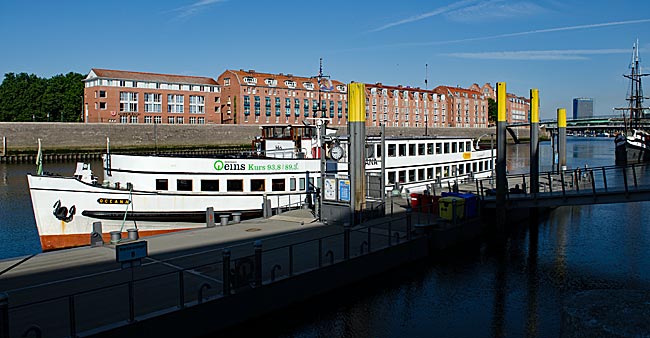
Of course, you can take a car for a visit to Bremerhaven from Bremen or board the regional train at the main station. However, with suitable weather and enough time, it is more interesting to cover the route on the Weser by ship. The shipping company "Hal över" operates the connection from May to September. The ship departs from the Martinianleger near the city center along the Schlachte. Those who wish can even take their bicycle with them; additionally, you can pre-book a breakfast onboard.
read more ...
Bremerhaven - Überseehafen (Overseas Port)
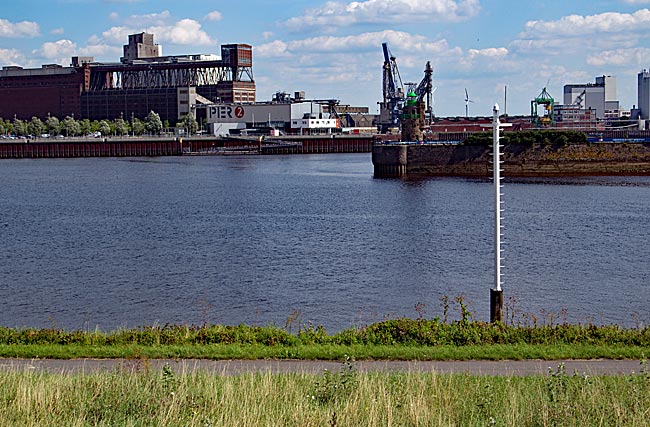
In addition to the Old Harbor (now the Museum Harbor), which was the first to be built, other ports were later added. Adjacent to the New Harbor lies Kaiserhafen I, the first in a series of additional harbor basins. Even a glance into this initial section of the expansive port area reveals a different world of maritime activity - one of large ships. And we will see even larger ones along the five-kilometer-long quay on the Weser.
read more ...