
 exploring Bremen & its surrounding areas
 You are here: attractions in the city center
 Ratskeller and Bremen as a Wine City
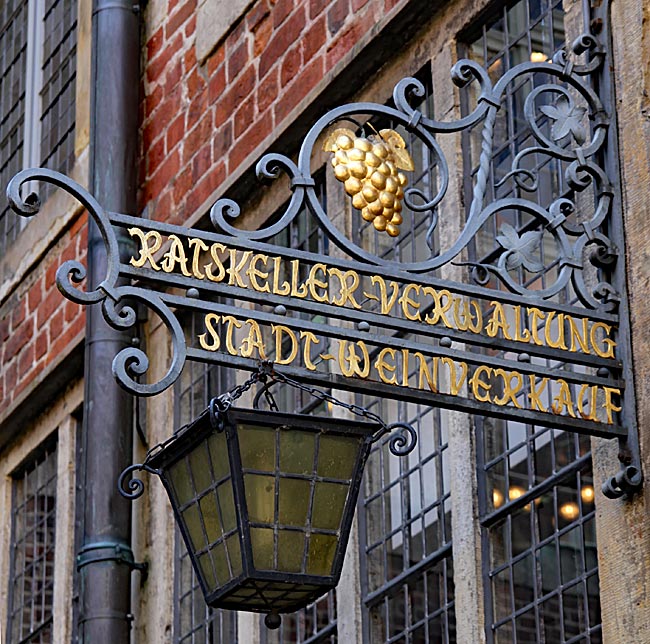
Guide at the back of the lower town hall
The Ratskeller, located in the cellar vaults beneath the town hall, has a history as a wine gastronomy and wine trade dating back to the 15th century. Like the town hall itself, it has been under monument protection since 1973. In earlier times, only the councilmen had the right to serve Rhine wine thanks to a Rhine wine monopoly. A source from 1370 mentions for the first time that there was already an obligation for those who brought wine into the city to offer it first to the council and that no one was allowed to serve wine without permission. A detailed wine ordinance is known in Bremen only from 1635 onwards. After this, all merchants were obliged to deposit their wine initially in the municipal cellar, the Ratskeller. With the help of a legal right of preemption, the council retained the best wines and released the lesser ones for free sale by individual privileged citizens. Only canisters were allowed to buy wine privately and had to pay a fee per 155 liters. Interestingly, citizens of the city were permitted to serve foreign wines freely while observing a price dictate.
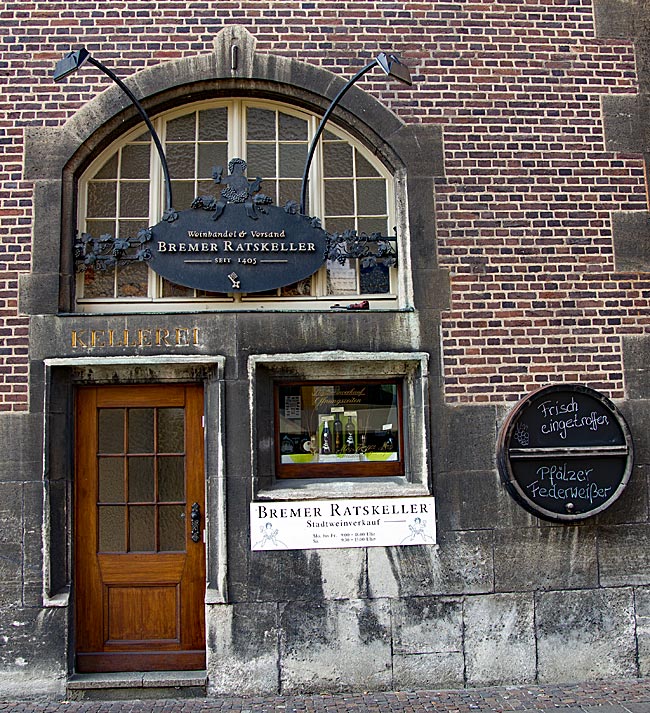
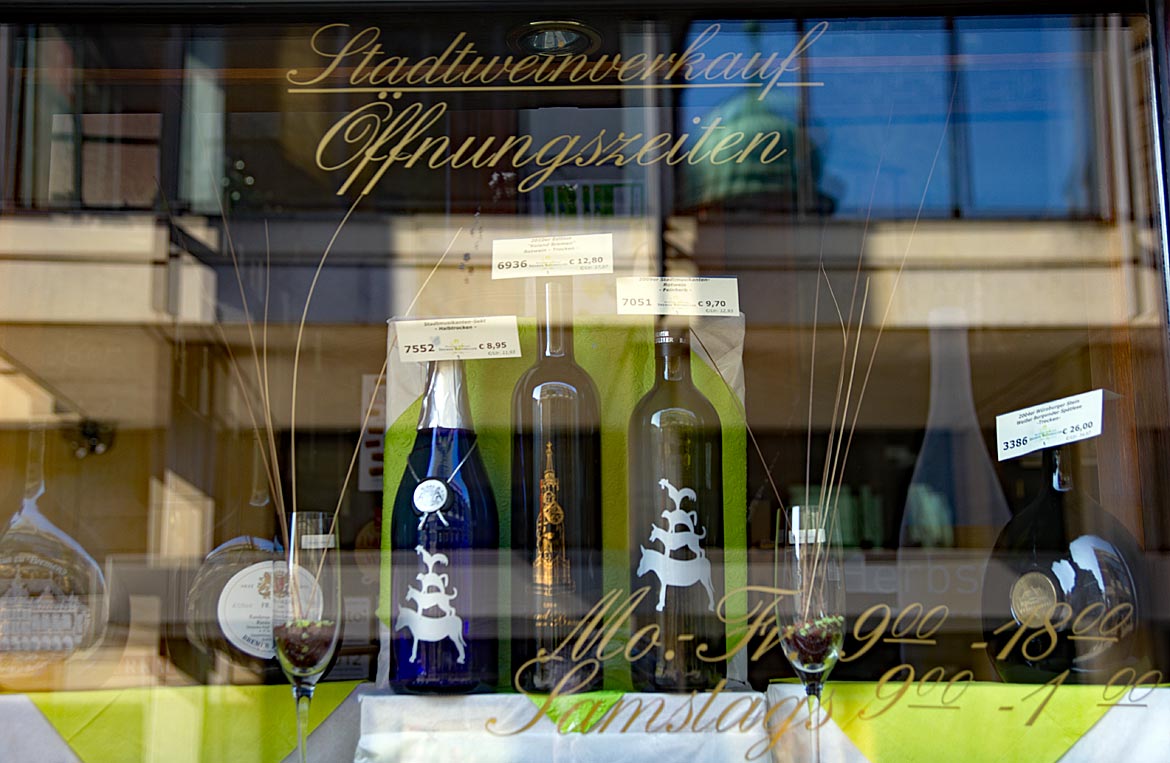
Also a nice souvenir: wine from the Ratskeller with the town musicians on the label
The councilmen apparently understood the Rhine wine business well, as the Ratskeller was known beyond Bremen’s city limits. By the middle of the 17th century, it was already mentioned in Merian’s city guide and could host over the years many other guests such as Heinrich Heine, Friedrich Engels, and Wilhelm Hauff.
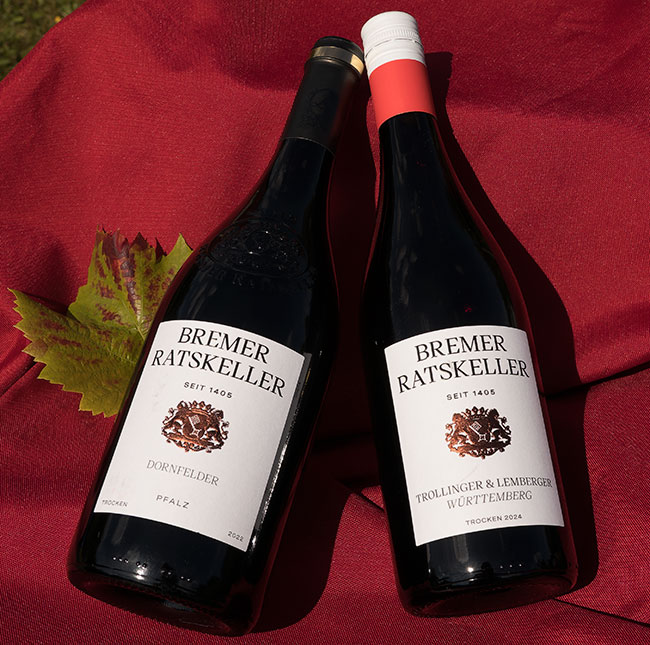
Wine selection at the Ratskeller
Today, the vaults of the Ratskeller store on several levels beneath the town hall and beneath the Liebfrauenkirchhof an area of 5,000 sqm, usually holding 120-150,000 bottles of German wine, primarily in the "treasury," the bottle storage of the cellar, as well as the oldest German barrel wines. Thus, in the sanctuary of the Ratskeller, the Rosekeller, first mentioned in 1599, alongside others is stored a Rüdesheimer from 1653. With around 650 varieties, the Ratskeller is not only very broadly stocked but also globally leading in the selection of German wines. Those who wish to see the impressive assortment for themselves can register for one of the organized tours. In view of the rising demand for wines, the Ratskeller successfully completed an expansion of the storage area and a modernization of the sales rooms at the rear side of the New Town Hall in 2017.
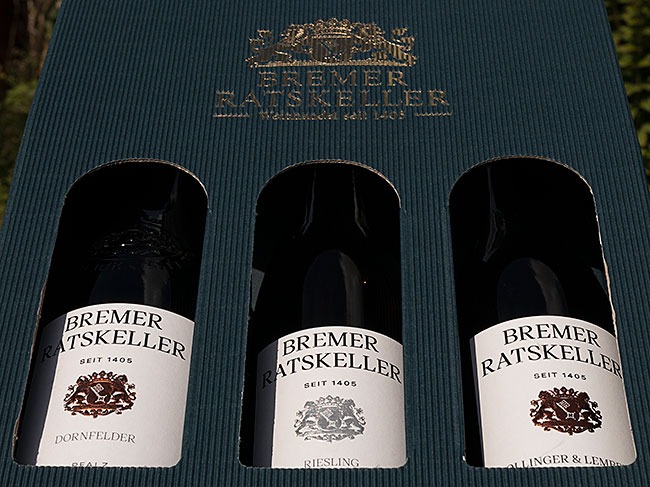
Perhaps a gift idea for wine lovers
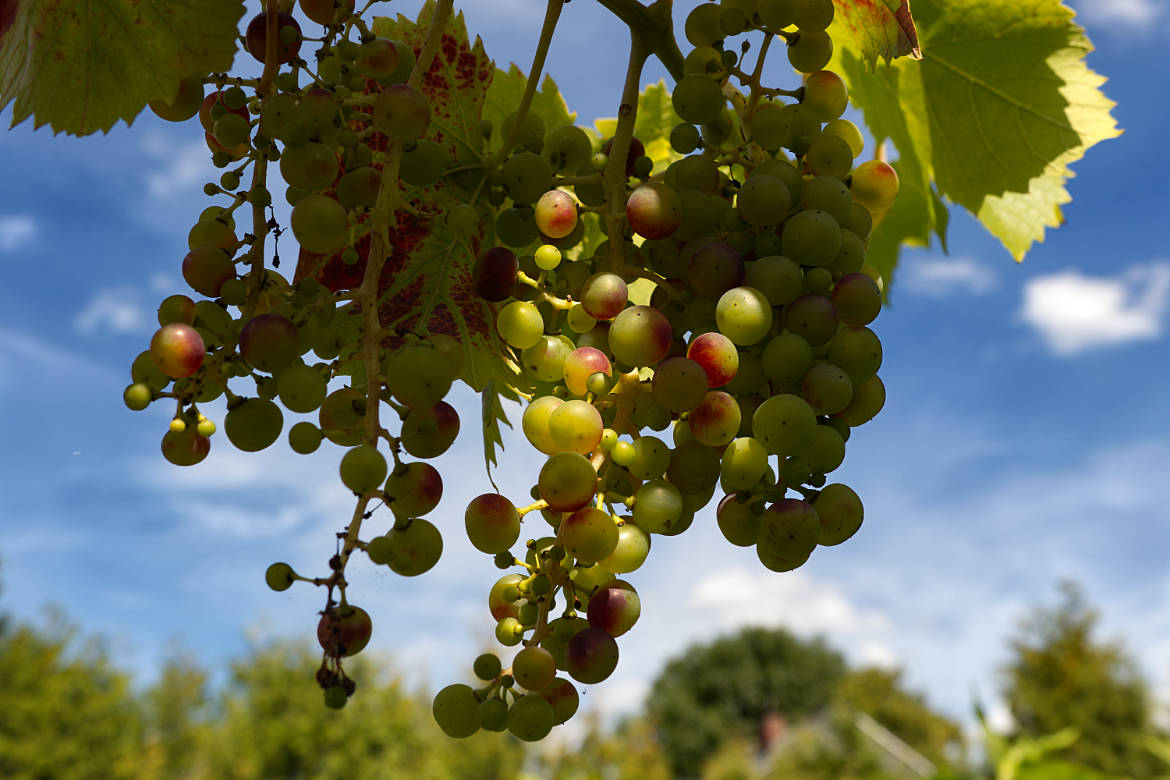
Certainly, the Ratskeller stands representatively for the long tradition that connects Bremen with wine. But there has also been wine in Bremen before the establishment of the Ratskeller. Around 2000 years ago, the Romans brought the first wine grapes into conquered Germania. Thanks to the climate favored by the Gulf Stream, today’s German wine-growing regions are the northernmost on Earth. In the 11th century, there were still further north located ones, namely in Bremen, established by Archbishop Adalbert, and in the valleys of Weser and Werra. Until the Thirty Years' War (1618-1648), a country wine, the simple Krätzer, was produced from the grapes. However, Rhine wines were clearly more flavorful, so that especially these were drunk in the North since the High Middle Ages.
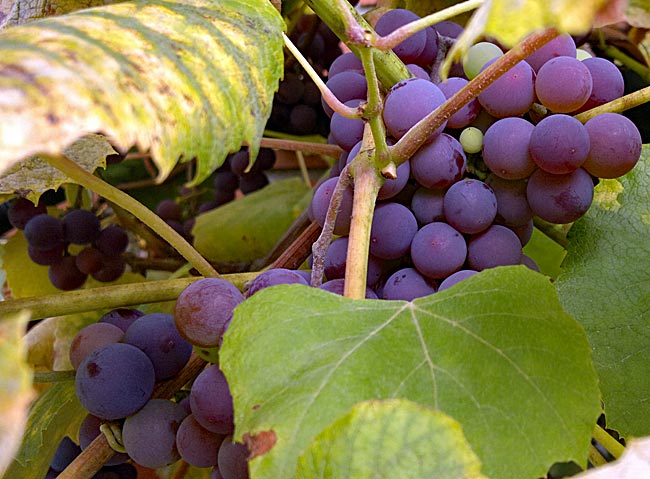
No rare sight in Bremen: vineyards in gardens
In the 17th century, viticulture and wine trade changed radically in Europe. The heyday of Rhine wine came to an end, primarily due to the consequences of the Thirty Years' War, and especially driven by the Dutch, a multitude of large-scale wine-growing regions with a variety of different wines developed explosively in the first half of the century thanks to more modern cultivation methods, varietal differentiation, and finally other production methods. Primarily the Dutch organized the export of wines via French ports to Northwestern Europe, where demand constantly rose. However, slowly German Hanseatic League merchants, including Bremen merchants, also entered large-scale wine trade, as during the war wine could only be traded by sea. The 1654 concluded trade agreement with the German Hanseatic League strengthened the exchange of goods particularly with Bordeaux.
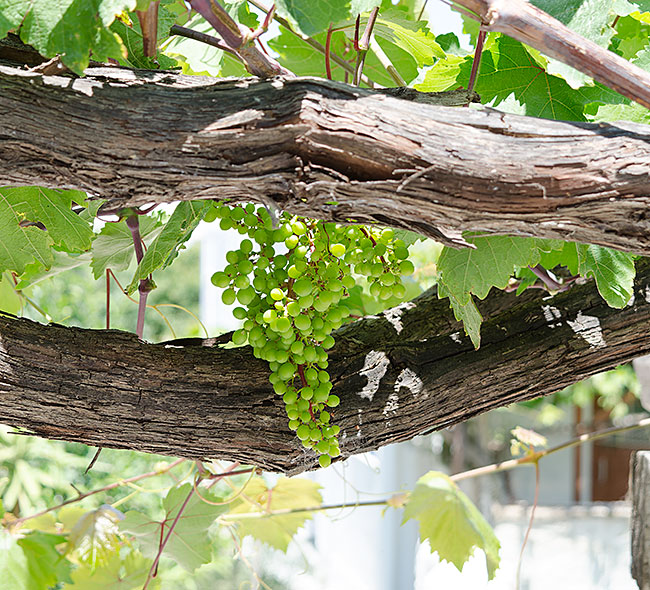
Even uncultivated, wine belongs to the everyday image in many landscapes of the Mediterranean region
Already at the end of the 17th and beginning of the 18th century, an increasing specialization of Bremen sailors and merchants on France voyages showed itself, especially in Bordeaux more and more Bremen traders opened their own counting houses, emigrated there entirely or maintained at least firm close trade relations with it. For large-scale trade, the trade with foreign wines was a good business, as unlike the trade with Rhine wines this one was not subject to restrictions in Bremen. Thus, it is no surprise that the number of Bremen wine traders constantly rose, from 47 in 1749 to already 97 by 1765. The new commission houses of the 19th century finally shaped Bremen’s reputation as the Northern wine city definitively, as they dedicated themselves, unlike many merchants a hundred years earlier, exclusively to wine trade. Trade reached not only hitherto unreached dimensions but also brought for the first time higher-quality wines in larger quantities into the Hanseatic city.
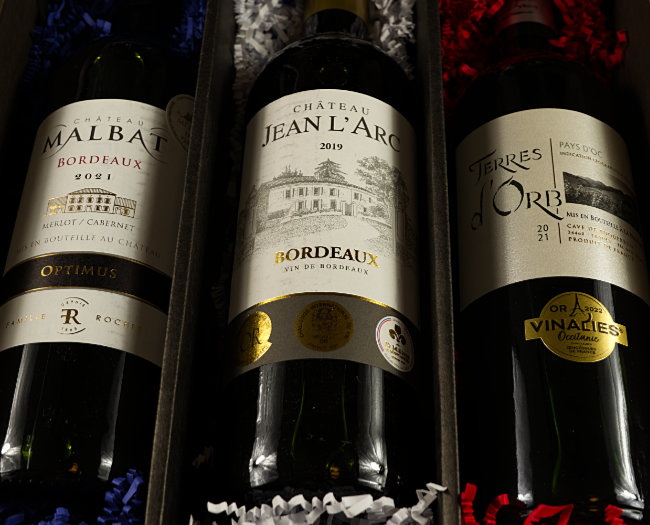
Bordeaux, the largest contiguous wine-growing region in the world - known as Bordelais (or simply Bordeaux) in France - is home to thousands of vineyards producing high-quality wines exported globally
To this day, wine is traded well in the Hanseatic city, both large-scale and small-scale. The name Ludwig von Kapff, for example, has stood for over 300 years for the import of and trade with wines. Equally, Eggers & Franke can look back on a long tradition. Numerous best-sorted wine traders can be found among others in Wachmannstraße in the Schwachhausen district or also in the Findorff district. Since 1987, Bremen could even host a wine festival. More than 20 winemakers from German wine-growing regions presented their products to an interested public at the end of August / beginning of September on Loriotplatz at the edge of the Wallanlagen (until 2013 Hillmannplatz) at the corner Contrescarpe / Herdentor, in 2016 however unfortunately for the last time. Wine events nonetheless continue to take place in the city.
previous page
 next page
Town Hall
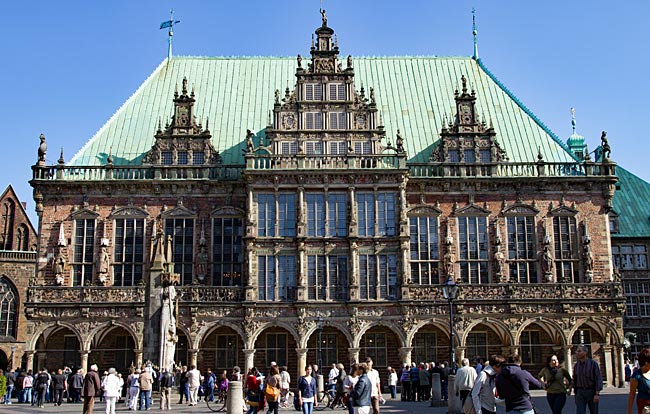
The original Old Town Hall on market square was built between 1405 and 1412. Little of this originally rather plain late Gothic brick structure remains today. The Renaissance façade, which gives the UNESCO-protected building its distinctive appearance, was constructed between 1608 and 1614 by Lüder von Bentheim. Above the arcades in particular, it is lavishly adorned with various depictions from ancient mythology, blending uniquely with Christian symbolism, Bremen city symbols, and other representations.
read more ...
Domshof
In the shadow of the cathedral lies the Domshof. Until 1803, the cathedral precinct - and thus the large square - belonged to the respective bishops or, later, to Sweden and the Electorate of Hanover, which ruled Bremen at times. The existing buildings, including townhouses, and the planting of numerous trees made the Domshof one of the most beautiful squares in the Hanseatic city during the 18th and 19th centuries.
read more
...
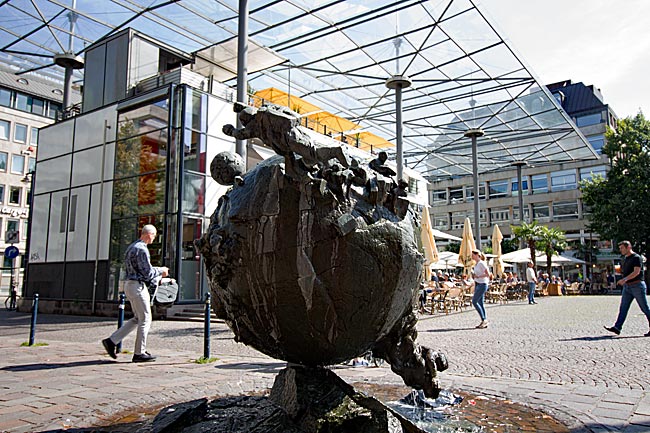
City Center: the main shopping streets
Following the course of Sögestraße, on the left side opens the row of houses to Unser Lieben Frauen Kirchhof. On the right side, starting from the corner of the Karstadt department store, extends the also covered Lloyd-Passage. The approximately 250-meter-long passage with a glass roof supported by a steel structure runs partly between the two large department stores of the city center and ends at Hanseatenhof.
read more ...
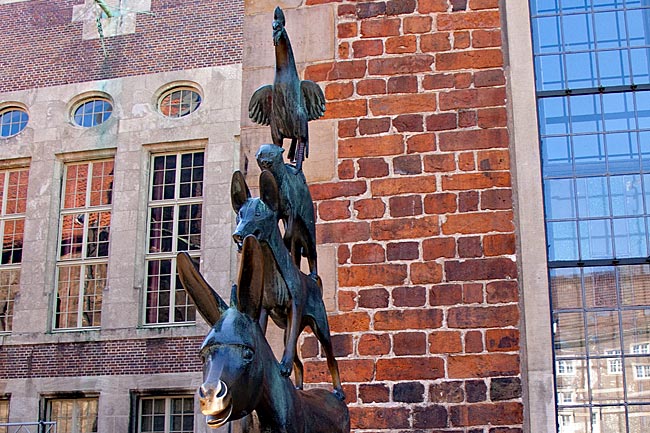
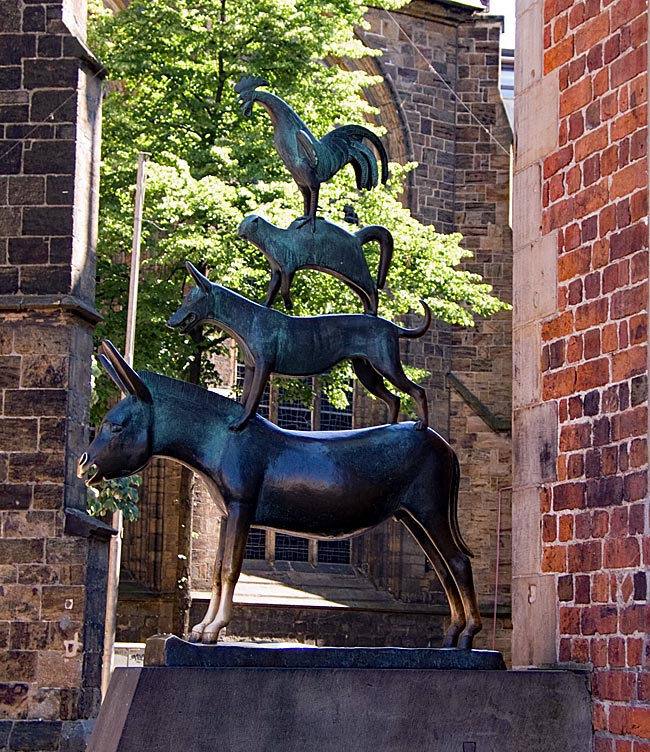
The Bremen Town Musicians
On the left broad side of the Old Town Hall, next to the entrance to the lower town hall hall, stand four bronze-cast heroes of a world-famous fairy tale - the Bremen Town Musicians. However, it remains a contentious point whether these mismatched four - donkey, dog, cat, and rooster - actually made it all the way to Bremen, as the fairy tale does not provide a clear answer on this matter. But perhaps that is not so important, for what truly matters is the message conveyed in the fairy tale.
read more ...
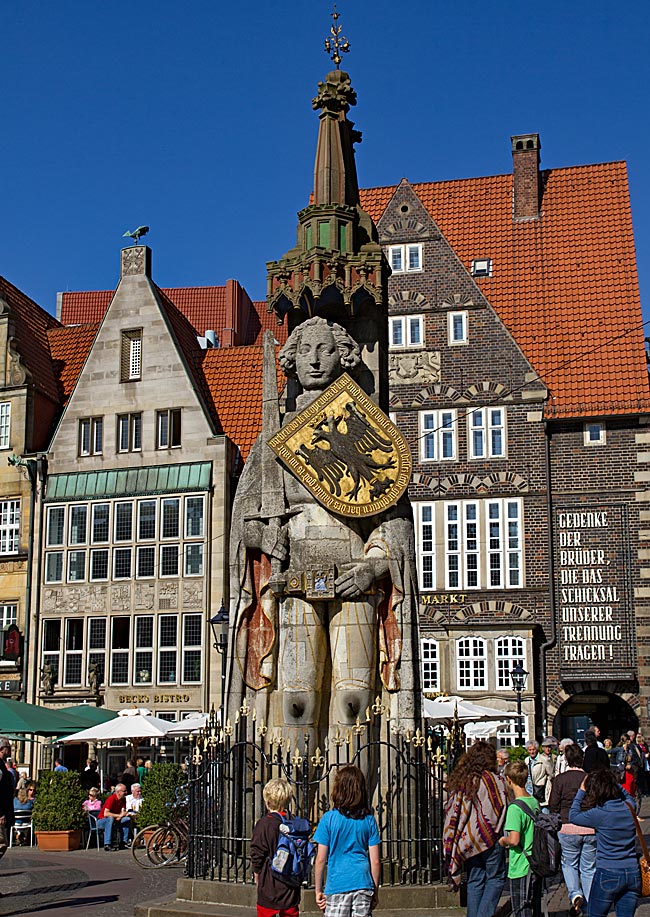
Roland statue
The Roland statue stands on the market square in front of the town hall and has been there since 1404. It is a 5.55-meter (10.21-meter total) tall sandstone figure of a knight with a drawn sword and shield in front of his chest. Like in many other European cities, the Roland in Bremen symbolizes the city's freedom, which historically stemmed from market rights and its own jurisdiction.
read more ...
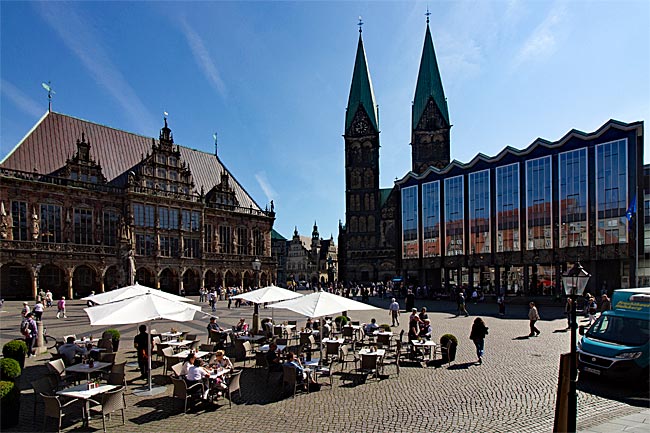
Market Square
As it was in the past, today's Market Square remains the political heart of Bremen and a major attraction for thousands of tourists - undoubtedly due to its distinctive architectural setting. The Bürgerschaft (Bremen's parliament) stands almost unobtrusively and plainly next to the magnificent Old Town Hall.
read more ...
Böttcherstraße
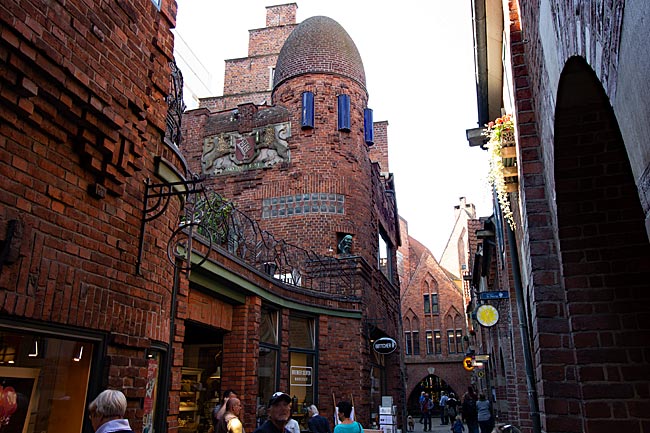
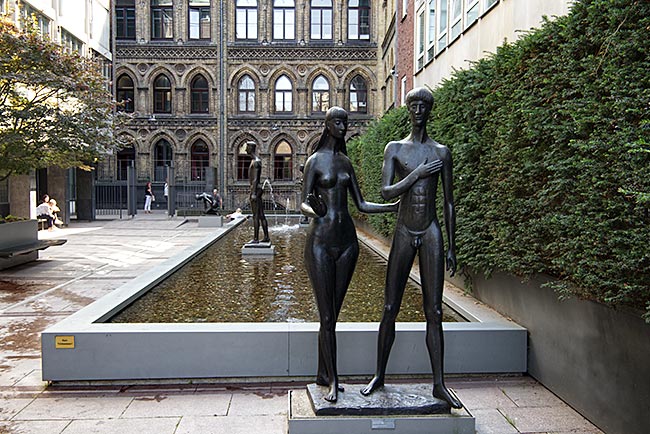
Since at least 1931, the name Böttcherstraße is no longer primarily associated with the scent of wood and the sound of coopers' hammers, but rather with a very special, almost enclosed ensemble of buildings. Over a length of just over one hundred meters, museums, open artist workshops, specialty retailers offering upscale goods, dining establishments, and a hotel create a unique atmosphere between brick and sandstone structures that is unparalleled in Bremen.
read more ...
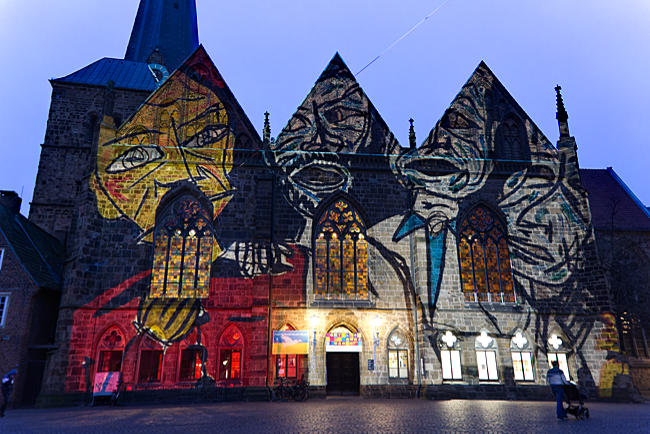
Liebfrauenkirche & Liebfrauenkirchhof
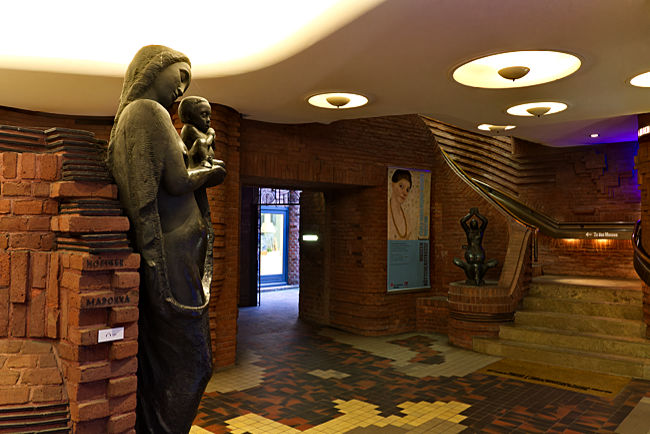
Around 1020, the first parish church outside the enclosed cathedral precinct was built of wood on the site of today's Liebfrauenkirche. The church was dedicated to St. Vitus, venerated as a saint in the Roman Catholic Church. About 80 years later, the building received its current south tower, which is now the oldest preserved part of the structure. Parts of this church, the second-oldest after St. Petri Cathedral, were reused when, around 1160, a three-aisled basilica with three apses was constructed on the same site - the city's oldest market square.
read more ...