

DISTANT PLACES
Travel tips by Bremen sehenswert far from the Hanseatic City of Bremen
Hanseatic City of Rostock - A Travel Guide
Introduction
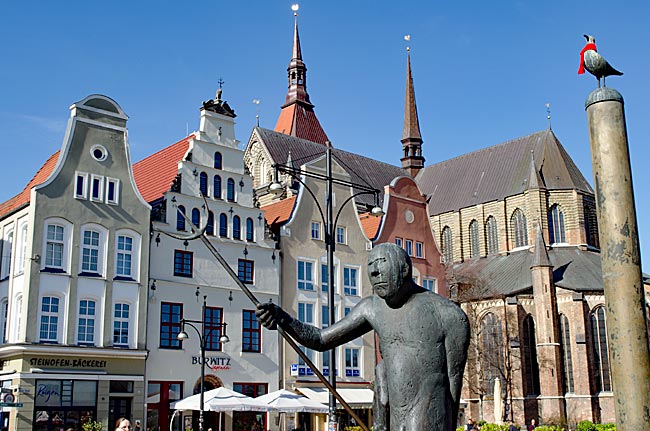
New Market with Seagull Fountain, Gable Houses, and St. Mary's Church
The fate of the city of Rostock, which was founded in 1265 from three urban settlements, has always been linked to water. It was an important part of the Hanseatic League early on, and maritime trade made its merchants - and thus the city - prosperous, as evident in the architecture at the New Market and other parts of the old town. Testaments to North German Brick Gothic have prompted heritage protection efforts to preserve historical buildings in the city center, with success.
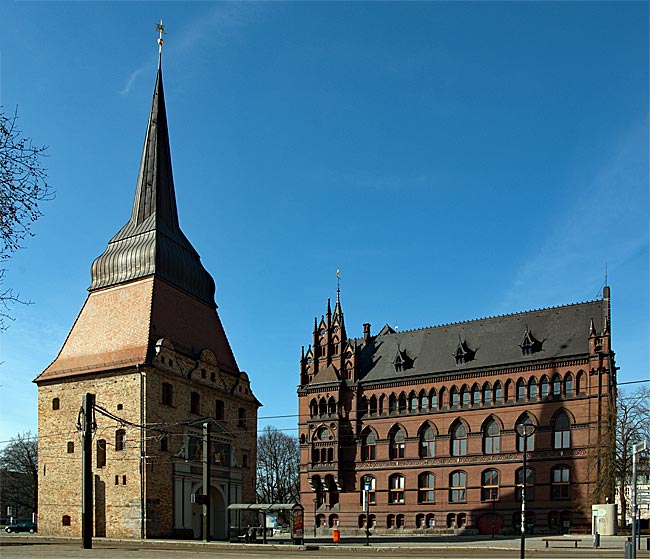
View of the Steintor (Stone Gate) and Ständehaus (the House of Estates)
Dusty stone-gazing? Not at all! The Hanseatic city is a fresh metropolis on the Baltic Sea that not only fosters international exchange through ferry connections to Scandinavia and the Baltic region but was also the first university town in Northern Germany and the Baltic region in the first half of the 15th century. And it remains a university town to this day, with young students significantly shaping the cityscape. The old university building and the former princely structures used by the university at University Square are located right in the pedestrian zone of the inner city, Kröpeliner Straße.
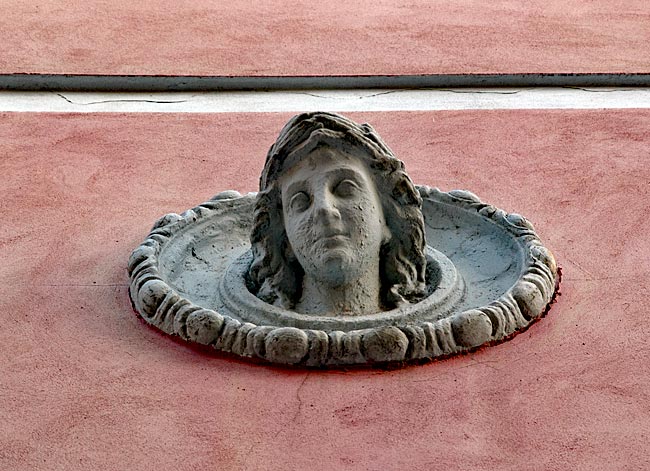
Detail on a house wall
Amid all the bustling activity, there are advantages when your place of relaxation is right outside your doorstep. The former small fishing village of Warnemünde has developed into an economically important location and gateway to the Baltic Sea, where large ferries from Scandinavia, cruise ships, and big freighters dock, while new large vessels are built nearby. At the same time, Warnemünde has retained the charm of a coastal resort on the Baltic Sea, boasting the widest beach along the German Baltic coast.
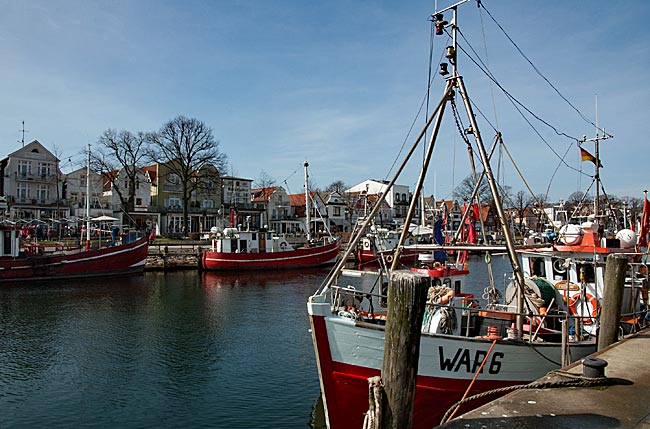
Warnemünde at the Old River
previous page
 next page
Read more about Rostock: The table of contents
Map
Rügen by the Baltic Sea
Active holiday featuring cycling and hiking
Enjoy an active holiday featuring cycling and hiking along the Baltic coast in Mönchgut on the island of Rügen. Long sandy beaches, rolling hills, and lush forests provide a varied and beautiful setting for your getaway. Often, the only thing breaking the peace is the distant whistle of the historic 'Rasender Roland' steam train. Despite its name (which suggests something "racing" or fast), it’s actually quite the opposite. A journey by train is simply part of the holiday experience.
read more about Rügen ...
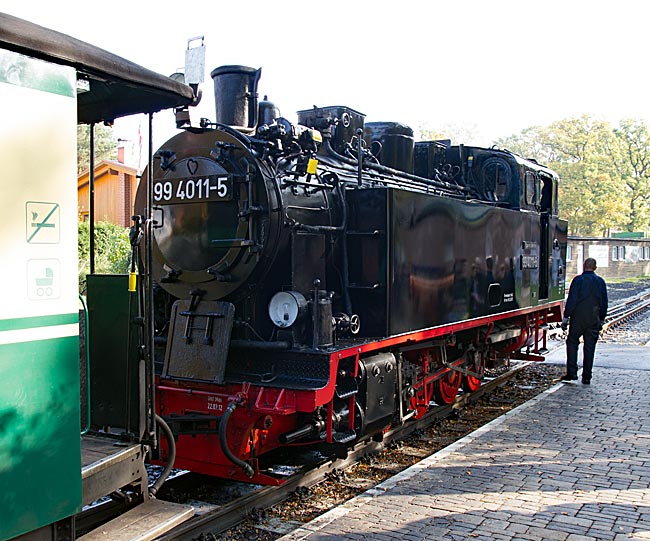
In the Probstei in late summer
Schönberger Strand and sea and more
Can you walk or ride a bike from Brasilien (Brazil) to Kalifornien (California) in just a few minutes, always with a view of the water? No, not with your finger on the globe or map, but in person. You’ll have to forgo Copacabana and the Sunset Strip with the Angels in Los Angeles (Spanish for "The Angels"). Instead, you get Germany’s "True North" with all its bright sides. Of course, there are sometimes shadows here too, but they belong only on the margins of this story.
read more about Schönberger Strand ...
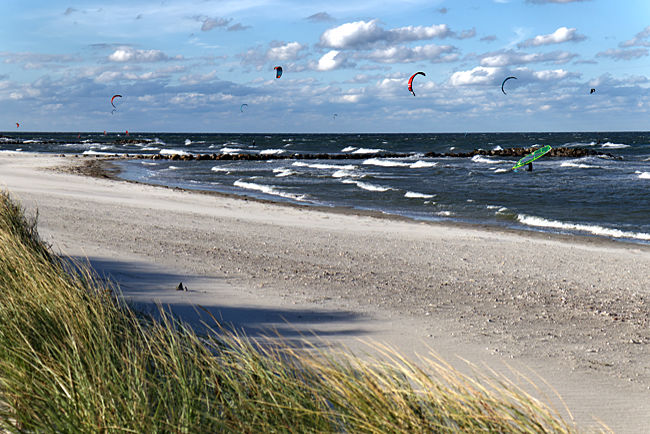
Wismar
The Hanseatic City on the Baltic Sea and its UNESCO World Heritage
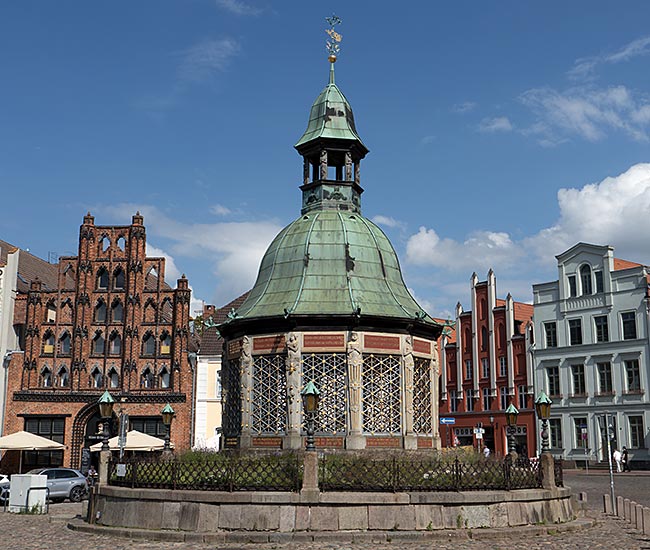
The World Heritage House is a building with a stone front house and an attached timber-framed Kemladen on a foundation of loose fieldstones from a medieval predecessor building. This beautifully restored small building complex visually illustrates and provides information via text panels about the lives of past generations in the hall houses typical for Wismar, along with their outbuildings. Additionally, there is extensive information about the city’s history and numerous protected buildings in the old town - there are 1,754 in total, with 306 designated as individual monuments. In the old town, one is right in the middle of Wismar’s UNESCO World Heritage Site.
read more about Wismar ...