

DISTANT PLACES
Travel tips by Bremen sehenswert far from the Hanseatic City of Bremen
Hanseatic City of Rostock - A Travel Guide
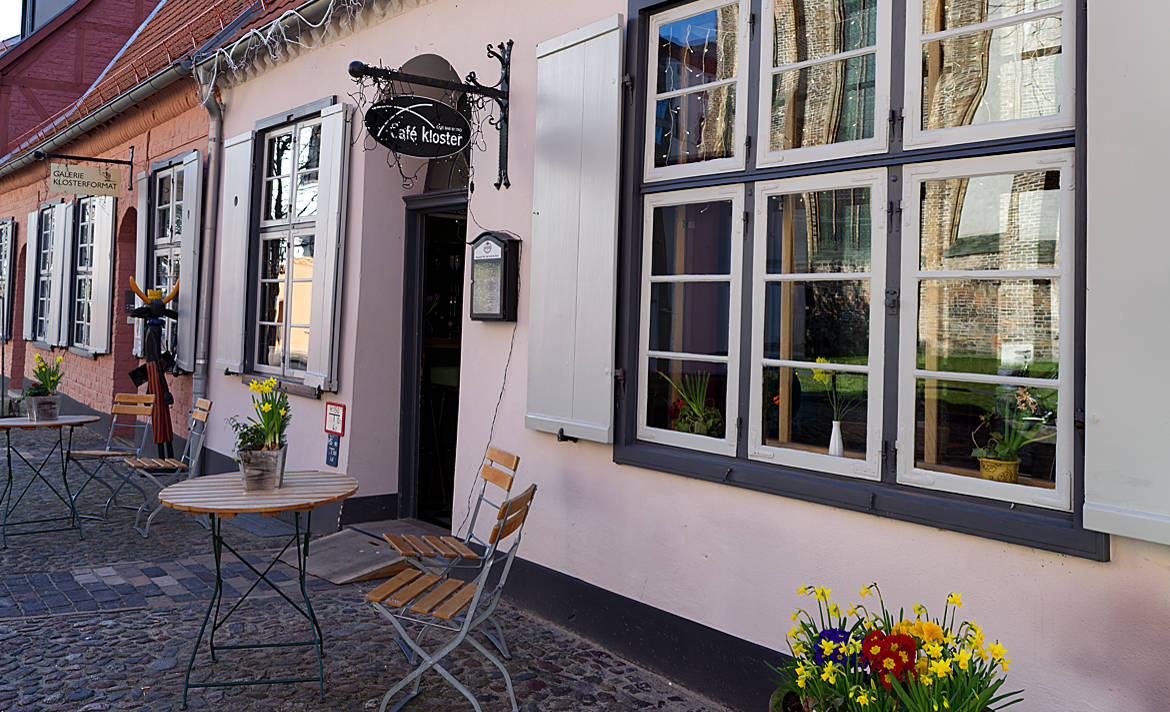
Abbey of the Holy Cross (Kloster zum Heiligen Kreuz)
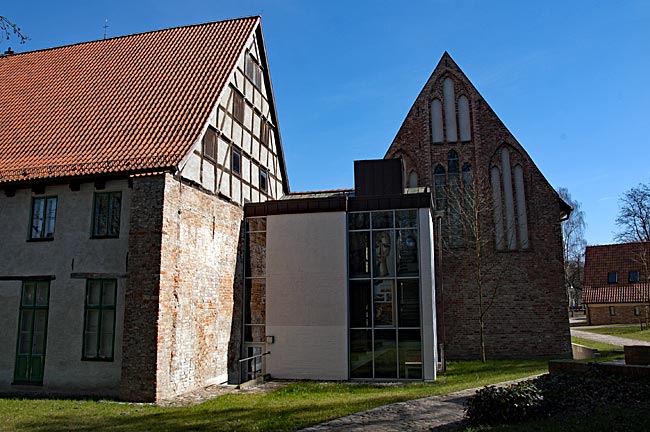
The south wing (on the left side)
In the immediate vicinity of the listed main building of the University of Rostock lies the Kloster zum Heiligen Kreuz. The Cistercian convent was founded in 1270. According to legend, the Danish Queen Margaret was the founder, but it is more likely that wealthy citizens of Rostock had a significant share in the establishment of the convent, as the first nuns came from affluent families of the city. However, a donation by the Danish queen to the convent in 1272 is documented. This included land outside the city walls, which she had purchased from the Mecklenburg prince Waldemar in 1269 - approximately the area where today's Warnow Tunnel disappears into the ground near Schmarl. Thanks to such donations, the convent was quite wealthy and at times so popular that not every applicant could be admitted. One reason for its popularity may have been the convent’s location within the city, right behind the strong defensive wall - a circumstance rather unusual for Cistercians, as one of the order's principles was to establish convents in secluded areas far from human settlements and roads.
Around 1300, the nuns began constructing the buildings of the cloister that have survived to this day. The south and west wings, including the dormitory, chapter house, summer and winter refectories, and other rooms, were likely built starting in 1307. This can be inferred from an analysis of a beam conducted during the last renovation in 2002, which dated the beam to 1307. In the 15th century, structural modifications were made, and additional buildings were added. The convent housed approximately 40 to 100 nuns and some lay sisters; fluctuations in the number of inhabitants also depended on episcopal decisions to which the convent had to submit.
Convent Church
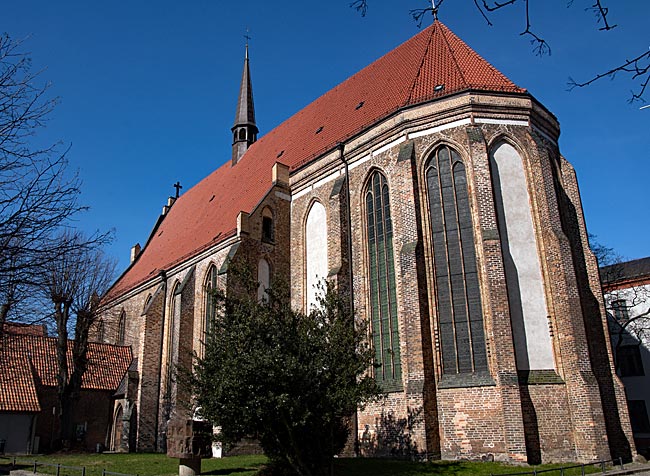
The convent church, a three-aisled basilica, was completed in 1360. However, it received a neo-Gothic interior design during a comprehensive renovation in 1898/99 by architect Gotthilf Ludwig Möckel, who also designed the Ständehaus. Today, the church is used by the neighboring university. As part of another extensive renovation from 1997 to 2002, the building received a new roof. Although the church has lost its original interior appearance, some historical elements remain, such as the high altar from the first half of the 15th century, the lay altar, the crucifixion altar, and 49 predominantly medieval grave slabs. Many other buildings that once stood on the convent grounds, such as the laundry house, brewery, and stables, have not survived the passage of time. Nevertheless, the convent complex is considered one of the last intact historical ensembles in the Hanseatic city.
During the Reformation, the convent was converted into a women's foundation (1584) and dissolved after being expropriated by the Free State of Mecklenburg-Schwerin in 1920. Today, the Kulturhistorisches Museum is housed in the former convent.
St. Michael’s Convent (Michaeliskloster)
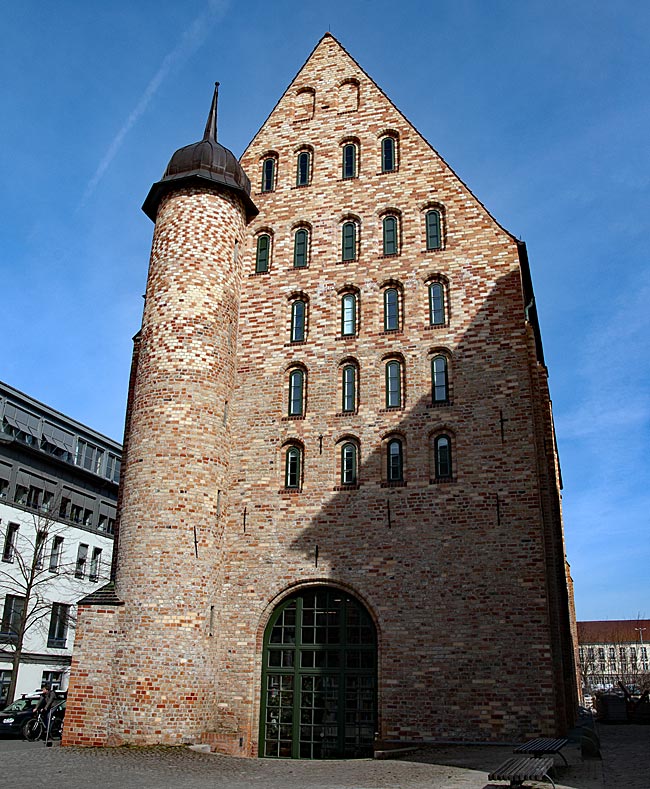
View of the Fraterhaus
On a somewhat secluded convent property, the "Brothers of the Common Life" built their Fraterhaus, the St. Michael's Convent, in 1462. In 1475, they began printing books in the Hanseatic city for the first time. During the Reformation, the Fraterhaus was dissolved and used for other purposes until the building in Altbettelmönchstraße burned down completely after being bombed by the British Royal Air Force in 1942. The reconstruction of the exterior façade according to historical models was only completed in 1994. Today, parts of the university library are housed inside.
previous page
 next page
Read more about Rostock: The table of contents
Map
Rügen by the Baltic Sea
Active holiday featuring cycling and hiking
Enjoy an active holiday featuring cycling and hiking along the Baltic coast in Mönchgut on the island of Rügen. Long sandy beaches, rolling hills, and lush forests provide a varied and beautiful setting for your getaway. Often, the only thing breaking the peace is the distant whistle of the historic 'Rasender Roland' steam train. Despite its name (which suggests something "racing" or fast), it’s actually quite the opposite. A journey by train is simply part of the holiday experience.
read more about Rügen ...
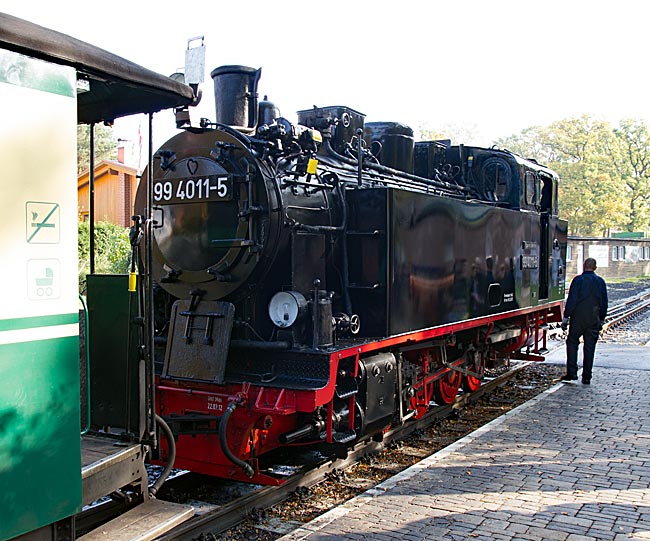
In the Probstei in late summer
Schönberger Strand and sea and more
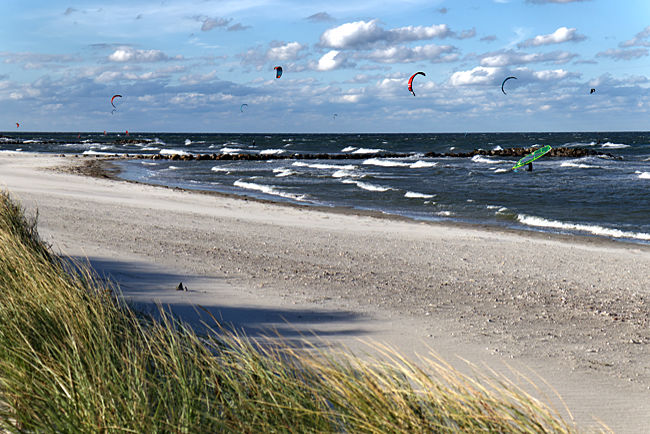
Can you walk or ride a bike from Brasilien (Brazil) to Kalifornien (California) in just a few minutes, always with a view of the water? No, not with your finger on the globe or map, but in person. You’ll have to forgo Copacabana and the Sunset Strip with the Angels in Los Angeles (Spanish for "The Angels"). Instead, you get Germany’s "True North" with all its bright sides. Of course, there are sometimes shadows here too, but they belong only on the margins of this story.
read more about Schönberger Strand ...
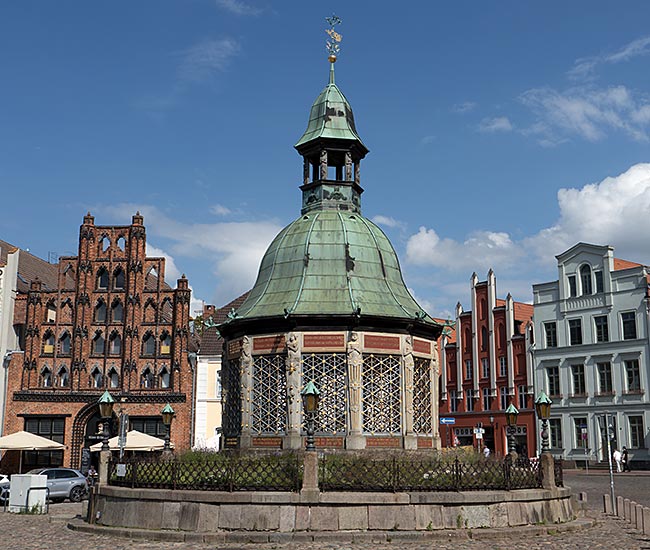
Wismar
The Hanseatic City on the Baltic Sea and its UNESCO World Heritage
The World Heritage House is a building with a stone front house and an attached timber-framed Kemladen on a foundation of loose fieldstones from a medieval predecessor building. This beautifully restored small building complex visually illustrates and provides information via text panels about the lives of past generations in the hall houses typical for Wismar, along with their outbuildings. Additionally, there is extensive information about the city’s history and numerous protected buildings in the old town - there are 1,754 in total, with 306 designated as individual monuments. In the old town, one is right in the middle of Wismar’s UNESCO World Heritage Site.
read more about Wismar ...
Crabs, dikes and the Wadden Sea
The North Sea spa town of Büsum
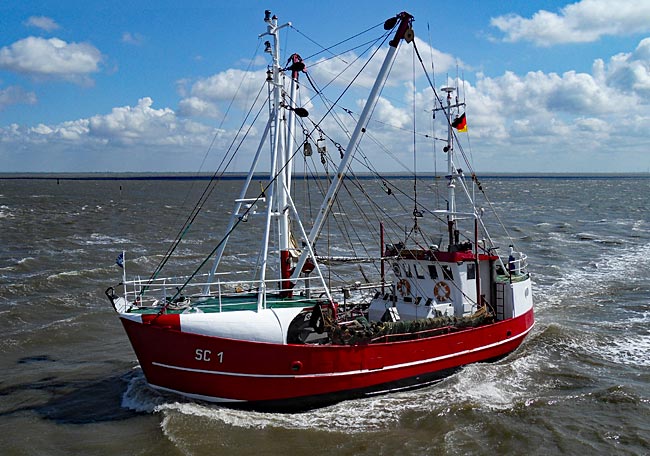
Once an island, Büsum was repeatedly threatened by the "Blanken Hans". When the greatest flood of the last century struck in 1962, Büsum was already long connected to the mainland - since 1585. Today, this town of around 5,000 residents, part of the Dithmarschen district, is one of the most important holiday destinations along Schleswig-Holstein's North Sea coast. Since 1985, the sea in front of Büsum has been protected as the Schleswig-Holstein Wadden Sea National Park, and since 2009, it has also been listed as a UNESCO World Heritage Site.
read more about Büsum ...