
 exploring Bremen & its surrounding areas
 You are here: worth seeing in the surroundings
 Weser cruise from Bremen to Bremerhaven (2/2)
The "Valentin" bunker in the adjacent neighborhood of Blumenthal, in the district of Farge, whose smallest part can be seen from the deck of a passing ship, was not intended for civilian purposes either. The name Valentin, which served as a code name for the "V" of Vegesack (the location of the former shipyard "Bremer Vulkan"), is actually far too endearing and trivializing for such a concrete monster that brought so much suffering and death upon the workers involved. Construction of the 419 (426) meter-long U-boat bunker began in early 1943, with completion planned for March 1945. Thousands of workers were needed for the construction of this structure, which reached heights of up to 33 meters and widths between 67 and 96 meters. 10,000–12,000 forced laborers from the Neuengamme concentration camp in Hamburg and other territories occupied by Germany were housed in camps under degrading conditions. Working in 10-hour shifts with poor nutrition until physical exhaustion, many did not survive. Officially, around 1,700 people died during construction, but estimates suggest much higher numbers - up to 6,000 - since deaths of Polish and Russian workers were not recorded, unlike those of French origin.
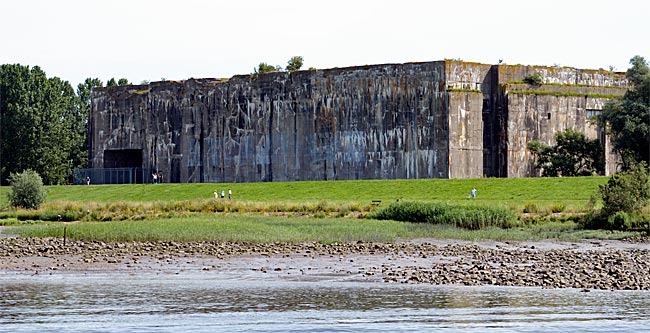
View of the Valentin Bunker in Farge from the Weser. To the left is the exit through which the assembled boats were supposed to leave the construction site.
After completion, the "Vulkan" was intended to assemble the pre-fabricated segments of the U-boat Type XXI inside the bunker. The plan was for one of the 76.7-meter-long boats to be assembled and launched for further outfitting every 56 hours. Yet it never came to that, as construction was only completed to 95%. A section of the reinforced concrete roof (4.30 or 4.50 meters thick, depending on the source) remained unfinished at 7 meters. After targeted airstrikes by British and American aircraft on March 27 and 30, 1945, two British bombs penetrated the un-reinforced section of the roof, tearing a hole in the concrete. After the war ended, the structure was used for three years (until '49) as a bombing practice target.
Since 1.2 million tons of concrete and steel could not simply be blown up, the bunker remained standing and was partially used by the German Navy as a materials storage facility between 1960 and 2010. Between 1999 and 2004, the unused part of the bunker was converted into an auditorium and theater stage for Theater Bremen under the direction of Johann Kresnik, which performed Karl Kraus's tragedy "The Last Days of Mankind" (completed in 1922 after seven years of work as a response to World War I) before approximately 40,000 spectators. There could hardly have been a more fitting location.
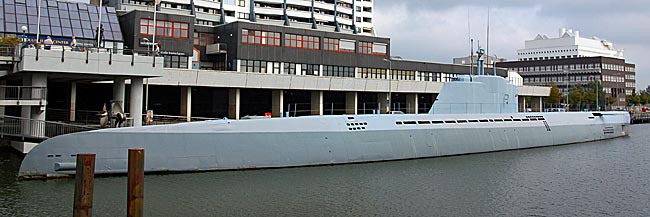
The last surviving U-boat of Type XXI, the "Wilhelm Bauer," is moored in Bremerhaven's Old Harbor
After the memorial created by Fritz Stein in concrete, titled "Monument for the Victims of the KZ" (which has been standing in front of the bunker since 1983 and commemorates the dead with an inscription in 12 languages), the site was expanded after 2011 into a memorial site, namely the Bunker Valentin Memorial.
By the way, although not here, Type XXI submarines were indeed built between 1944 and ’45. The last one, which escaped sinking and scrapping, lies as a museum ship "Wilhelm Bauer" in the Old Harbor of Bremerhaven and can also be visited from the inside - nothing for people suffering from claustrophobia.
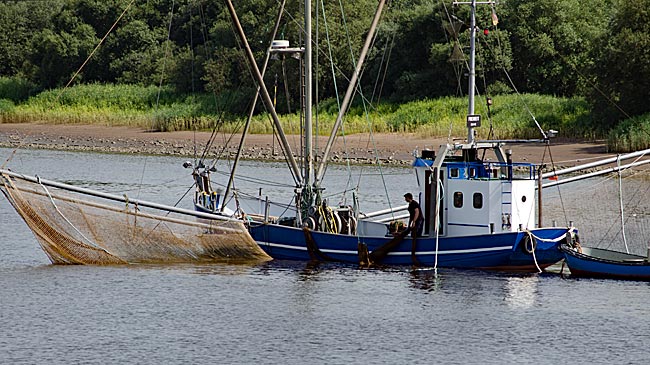
One of the few remaining river fishermen near the port city of Brake
Further along the route to Bremerhaven, Elsfleth comes into view on the left (port side), followed shortly by the port city of Brake on the Lower Weser. The passenger ship docks at the city quay. Brake is an important port where grain, feed and fertilizer, wood, paper, and steel are transshipped.
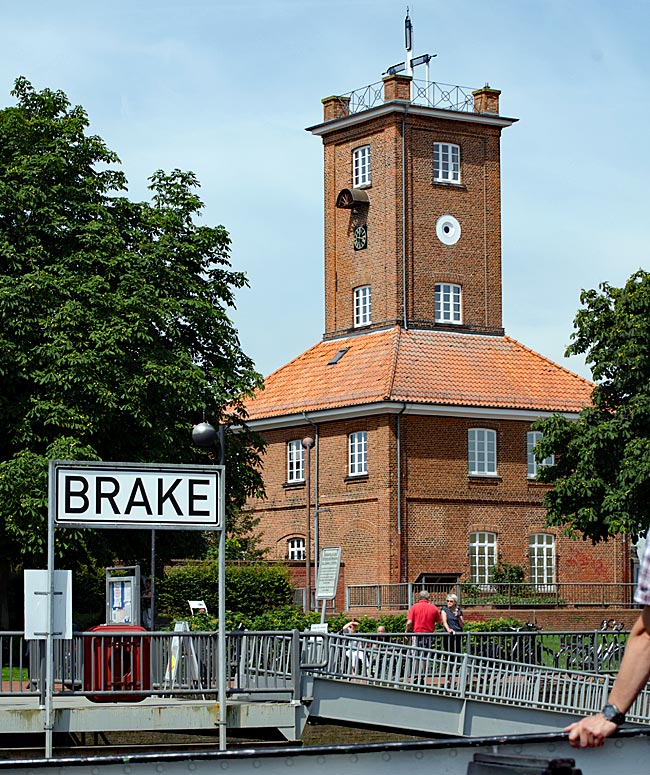
The most prominent structure on the city quay is the old telegraph
A small passenger ferry can take you from the city quay to Harriersand, Germany's longest river island. Directly opposite Brake's outer harbor is a campsite and a beach facility with swimming opportunities. Those eager for an island visit need not go hungry in culinary terms either - the Strandhalle Harriersand offers a restaurant with rustic, simple cuisine and views of the Weser. The establishment is only open seasonally, between March and late October.
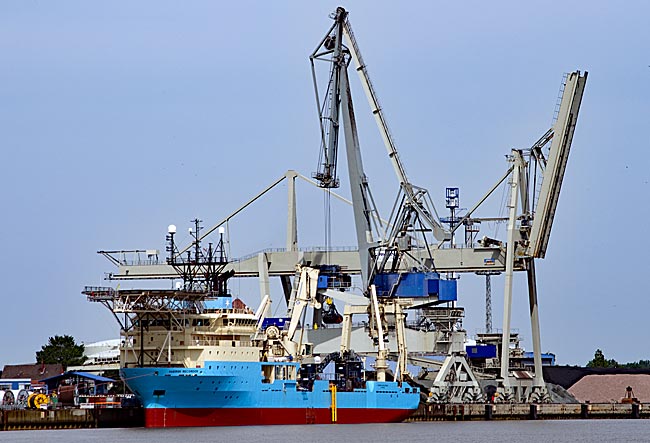
Cable-laying ship: a cable layer at Nordenham
In Nordenham, the ship makes its final stop before reaching Bremerhaven, the destination. Between the two cities, a ferry service operates, particularly popular with commuters. On the night of June 24, 2016, an immobilized ore freighter rammed the ferry terminal, damaging it so severely that operations could not resume until September. Since then, the two auto ferries have been running again between the districts of Blexen and Geestemünde.
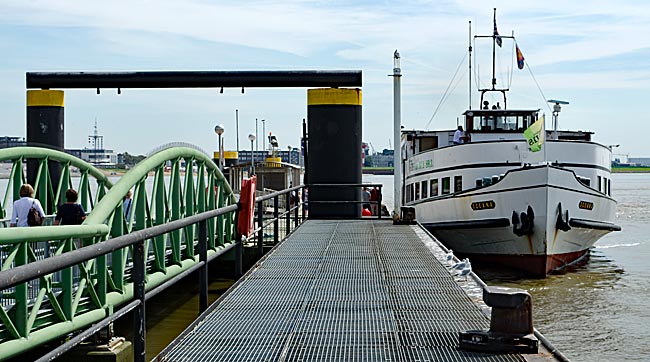
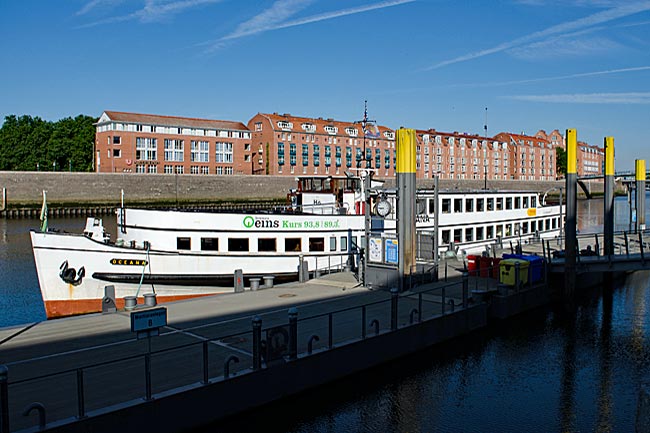
The MS Oceana at the dock in Bremerhaven
Finally, the MS Oceana docks at the terminal near the Zoo am Meer, from where excursion boats also depart for Heligoland. The city tour of "Fishtown" can begin.
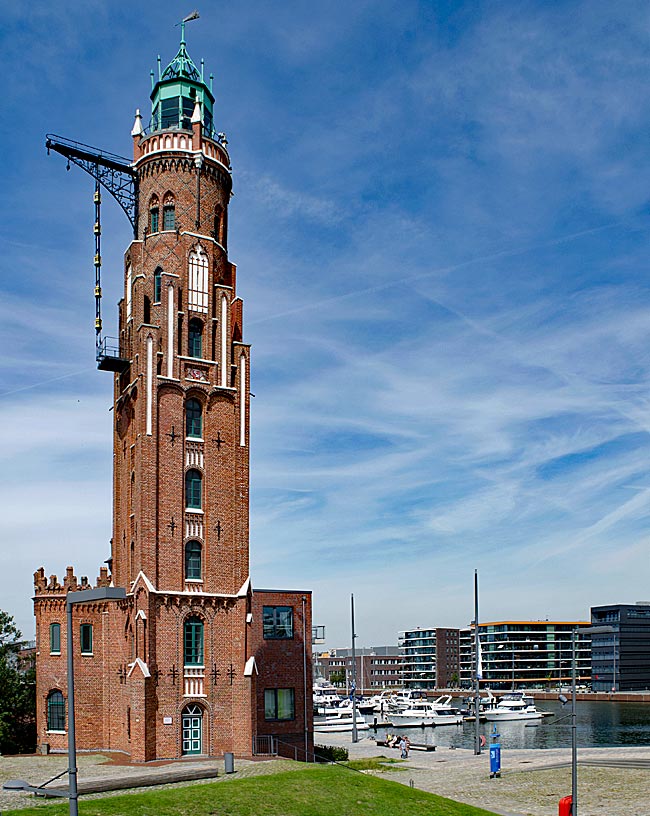
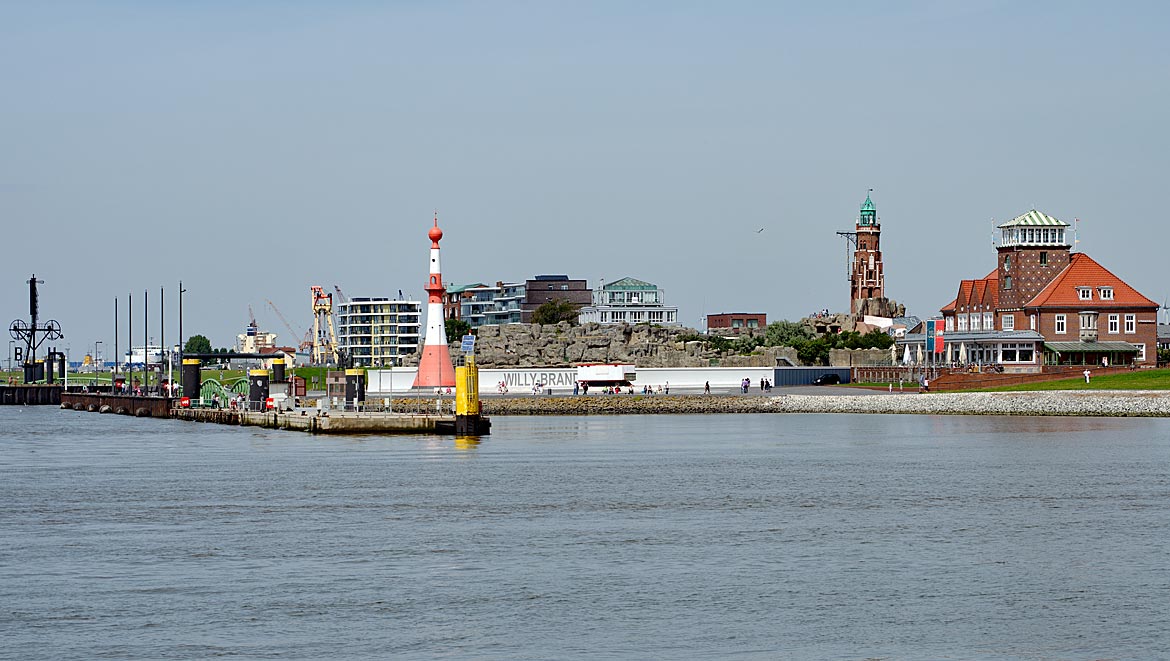
The Simon-Loschen lighthouse at the lock between New Harbor and Outer Weser
previous page
 next page
Further information
www.hal-oever.de
www.focke-museum.de
www.an-der-moorlosen-kirche.de
www.denkort-bunker-valentin.de
www.u-boot-wilhelm-bauer.de
www.strandhalle-harriersand.de
Bremerhaven Havenwelten
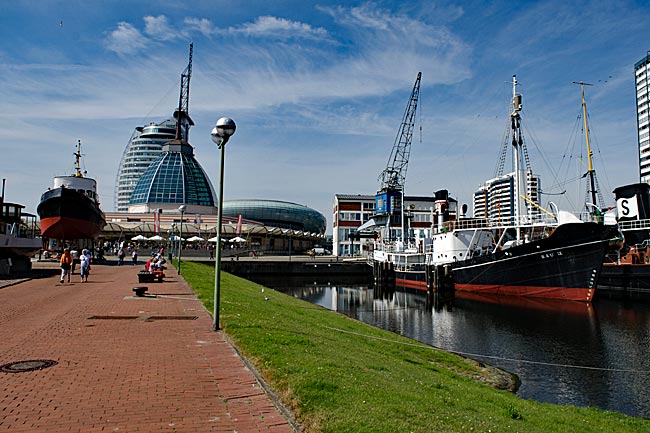
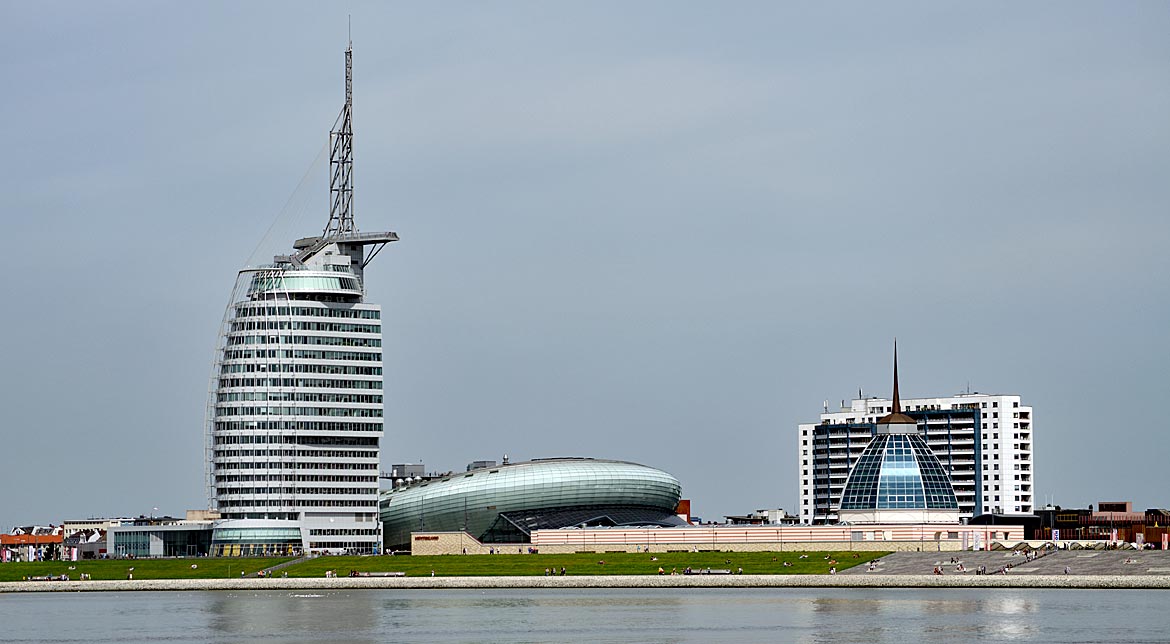
Since early 2008, Bremerhaven has not only had a new tallest building but also a new landmark in its Weser-side skyline with the ATLANTIC Hotel SAIL City, which rises 147 meters directly behind the Weserdeich. Architecturally, the structure perfectly embodies a maritime city - it stands like a powerful, rounded ship's superstructure. On the 20th floor, at a height of 77 meters, there is an observation deck (SAIL City) that is also accessible to non-guests.
read more ...
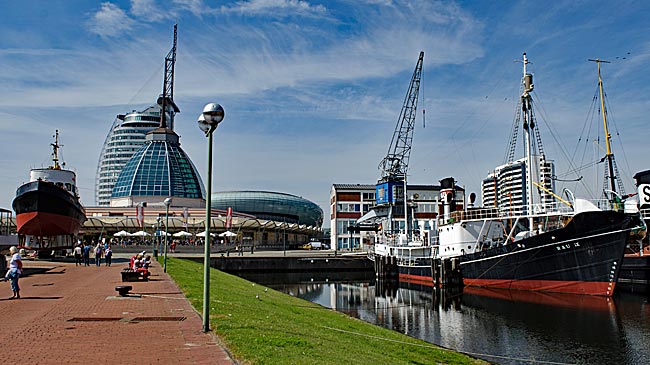
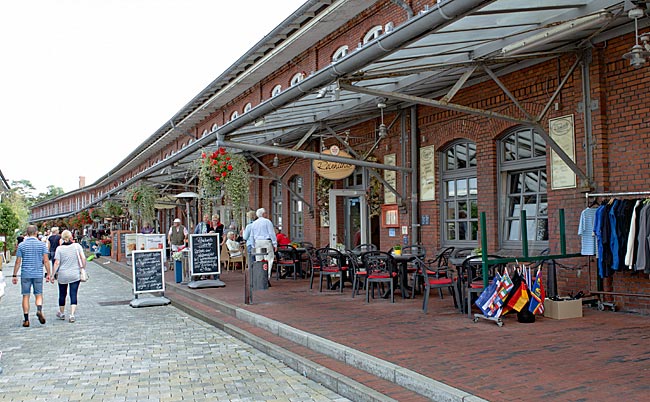
Bremerhaven - Schaufenster Fischereihafen (Fishery Harbor Showcase)
Away from the Havenwelten and older than both the Emigration Center and Klimahaus is the "Fishery Harbor Showcase." In fact, the Fishery Harbor was originally Geestemünde's deep-sea fishing harbor, built between 1891 and 1896. After a period of decline and decay - including partial demolitions - the idea emerged to transform the area into a maritime experience world. In 1990, efforts began to restore Fish Packing Hall IV, the oldest surviving hall, which had been slated for demolition just shortly before.
read more ...
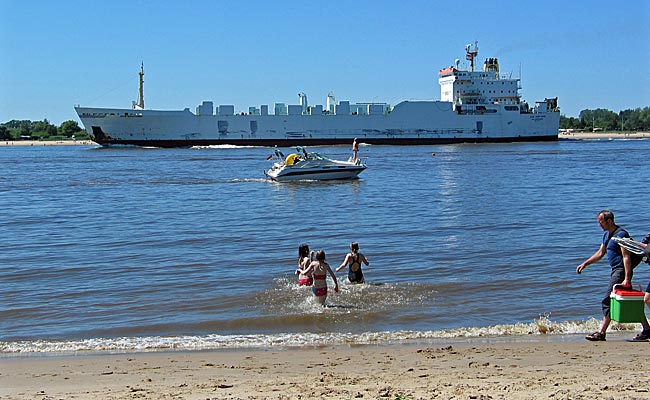
Brake & the River Island of Harriersand
As soon as spring arrives and the temperatures reach around 20 degrees, many Northern Germans are drawn to the North Sea coast. The main attraction? A beach to lie in the sun and sand for children to dig and build castles. This also draws many people from Bremen to the highways heading north on warm weekends, equipped with bags packed and picnic baskets ready for a day of seaside relaxation. But why travel far when the nearest beach is just around the corner? A visit to Brake and Harriersand proves that.
read more ...
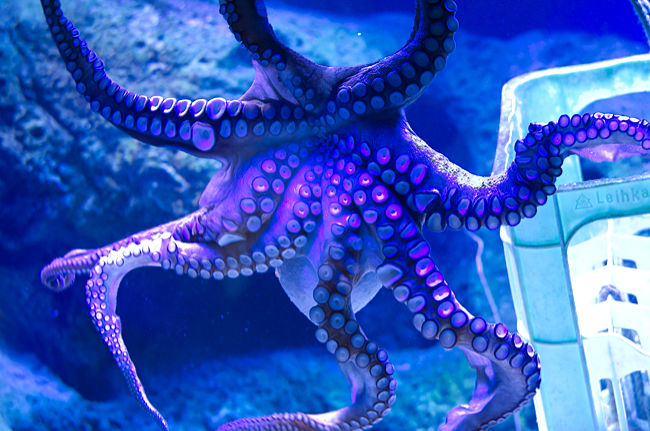
Bremerhaven - Zoo am Meer (Zoo by the Sea)
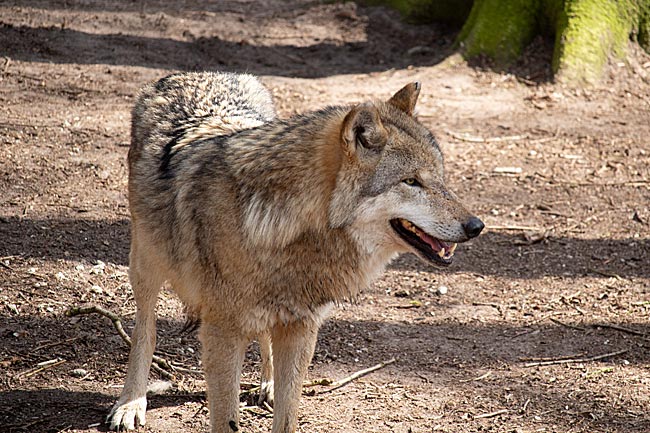
In addition to the 19th-century harbor facilities, the Zoo am Meer is the oldest attraction on the site between the Weser River and the pedestrian zone. It opened in 1928 under the name "Tiergrotten." The enclosures house polar bears, seals, penguins, various bird species such as gannets and keas, reptiles like turtles, raccoons, Arctic foxes, pumas, monkeys, and others - almost 50 animal species in total.
read more ...
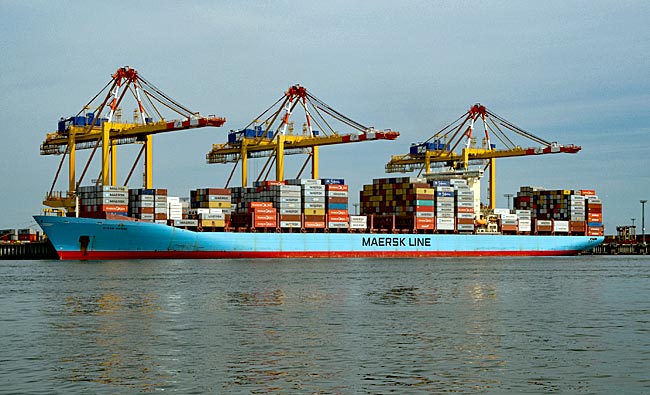
Bremerhaven - Überseehafen (Overseas Port)
In addition to the Old Harbor (now the Museum Harbor), which was the first to be built, other ports were later added. Adjacent to the New Harbor lies Kaiserhafen I, the first in a series of additional harbor basins. Even a glance into this initial section of the expansive port area reveals a different world of maritime activity - one of large ships. And we will see even larger ones along the five-kilometer-long quay on the Weser.
read more ...
Heligoland - a day trip
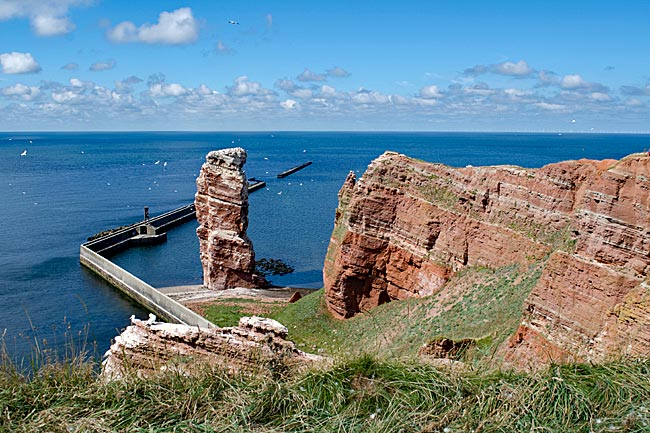
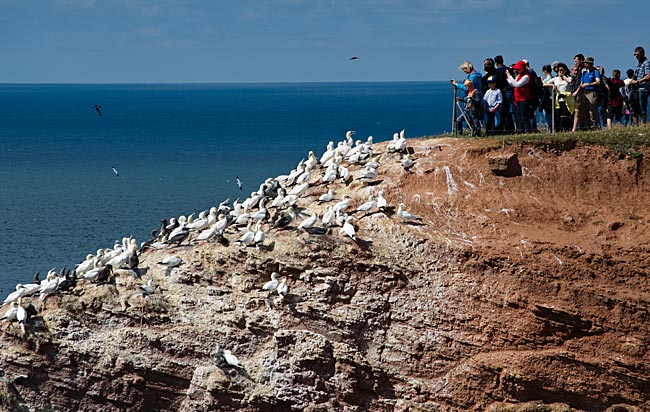
Germany's only supposed high-seas island is a destination for thousands of visitors each year, most of whom are day-trippers during the warmer months. And yes, admittedly, Heligoland isn't immediately in Bremen's surrounding area. However, it can be reached as a day trip from Bremerhaven and Cuxhaven - which is why we decided to visit.
read more ...
Cuxhaven - a day trip
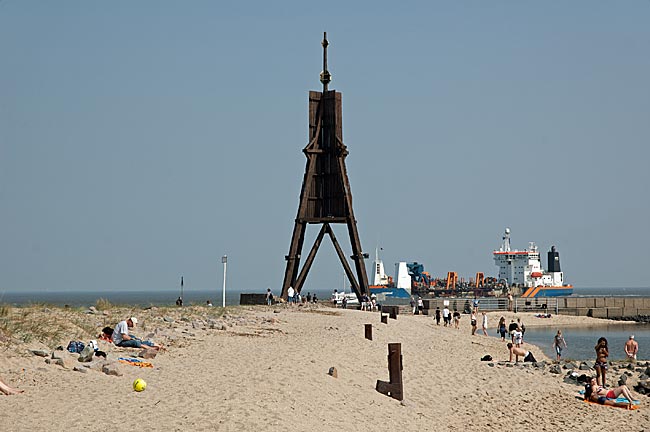
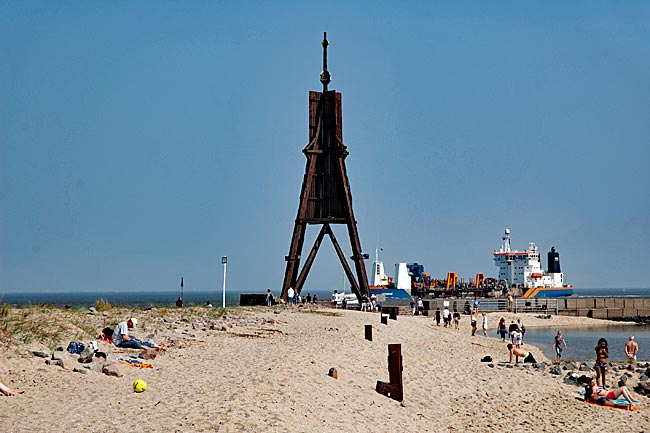
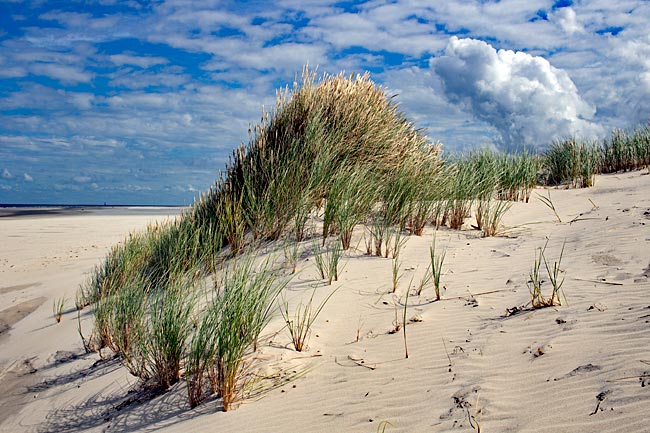
Many people from Bremen consider the seaside resorts of Cuxhaven to be "their home beach." The coastal city at the mouth of the Elbe is easily accessible from Bremen by car via the A27, which passes by Bremen and Bremerhaven before ending in Cuxhaven. By train, the journey takes a bit longer with a transfer in Bremerhaven. However, even in the off-season, Cuxhaven with its seaside resorts is a great destination for an outing - for example, by bicycle.
read more ...