
 exploring Bremen & its surrounding areas
 your are here: Bremen culinary
 Restaurants and Cafés in Bremen (2/2)
With a view or insight
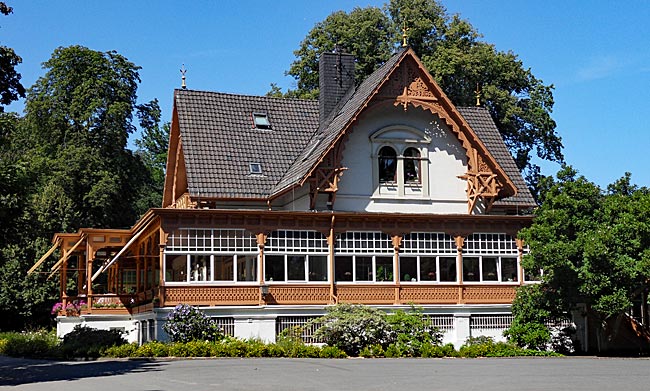
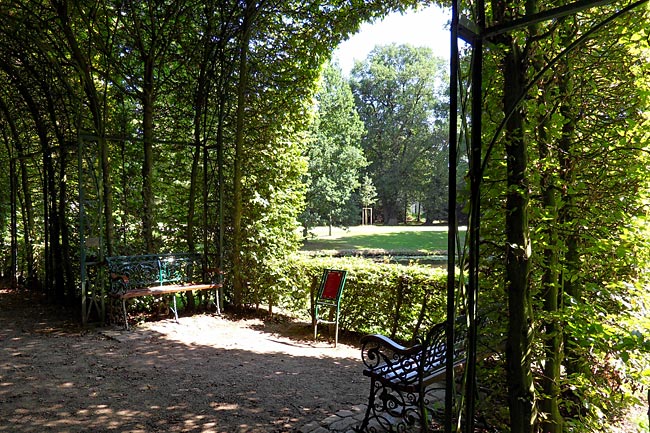
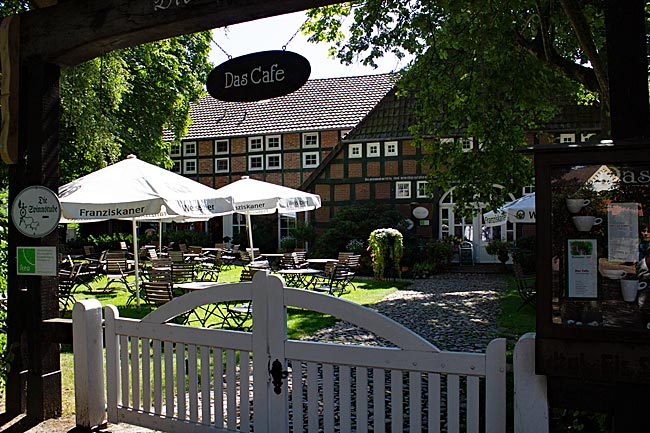
The Meierei has a beautiful covered outdoor veranda (left)
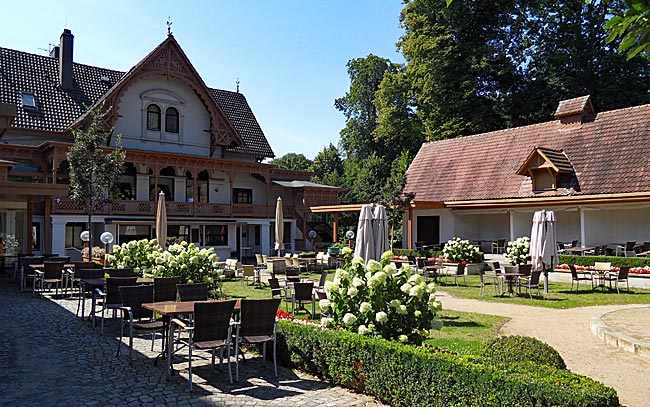
Without wanting to evaluate the food offered, there are cafés and restaurants with unique ambiance or in truly great locations. This also applies to the establishments in the Bürgerpark near the city center. From the covered outdoor veranda of the old Meierei from 1881, which stands on a small hill, you can see half of the Bürgerpark all the way to the Parkhotel. The view doesn’t extend as far at the Waldbühne, but here you sit outside on simple chairs almost in the forest, sometimes even with live music on Sunday afternoons. However, the former 19th-century exhibition pavilion itself also has its own special charm.
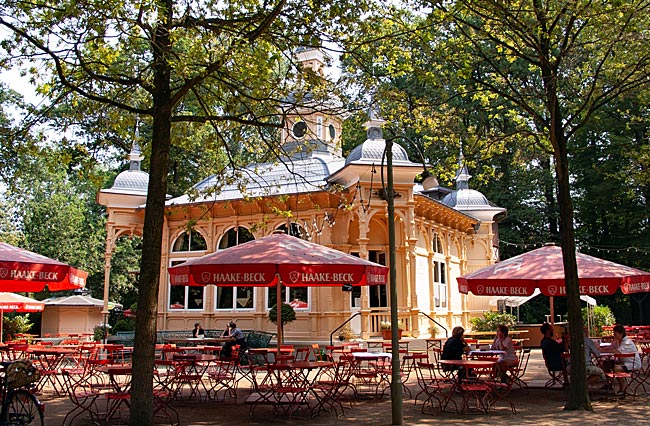
Waldbühne: The former exhibition pavillon was once called Waldschlösschen
Live music is occasionally also offered at the beer garden of Haus am Walde at the edge of the city forest on Kuhgrabenweg. The location is particularly ideal for cyclists, and so especially on weekends and sunny days, the simple beer garden sets are well occupied. Getting a seat on the terrace of the restaurant Il Lago, built right next to the nearby Stadtwaldsee or Unisee, can also be challenging on some days. Those who have one often stay here longer.
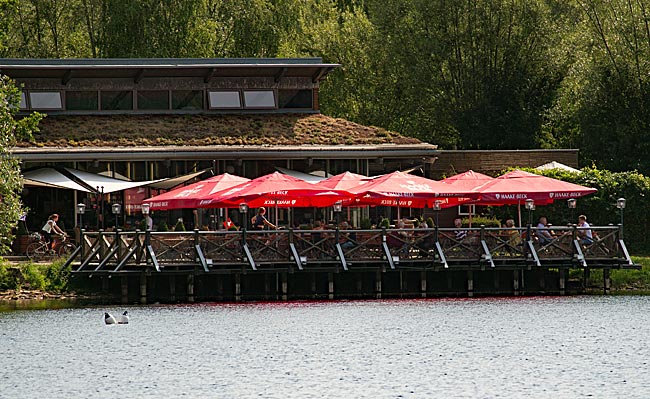
With lake views: The restaurant Il Lago at Stadtwaldsee
If no spot is free at the large Stadtwaldsee, you might have more luck after a walk in the Bürgerpark at the smaller Emmasee in the restaurant emma am see. Architecture awards aside, the building in a beautiful location exudes the charm of the ‘70s on the outside, but from inside, you have a great view of the lake, where people row in wooden boats during the warm months. Even more attractive on sunny days is the lakeside terrace.
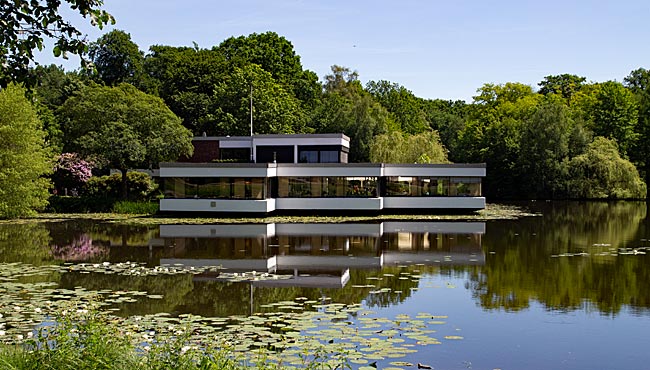
Charm of the 70s: The restaurant emma am See at Emmasee also has a lakeside terrace
Those exploring the city center who want to take a short break from the hustle and bustle in the green can reach the Wallanlagen, which have functioned as a park area since the 19th century and surround the historic city center, in just a few minutes. Since 1833, a gallery windmill has stood here. The multiple times restored building also has a long and eventful history as a gastronomy business. The mill is one of two preserved windmills in Bremen, making an indoor seat unique in itself, since the mill in Oberneuland belongs to the Focke Museum.
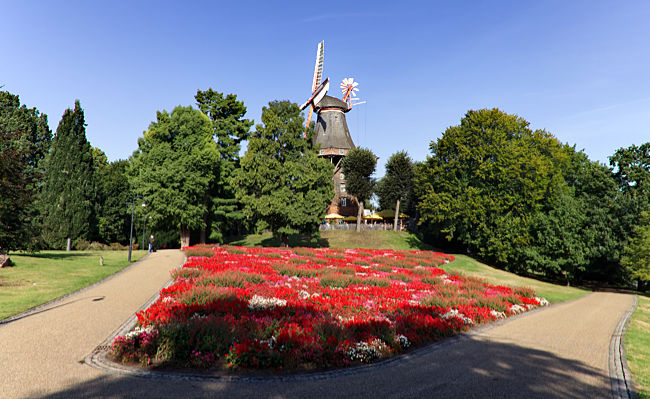
Unique ambiance indoors, beautiful view into the park from the terrace
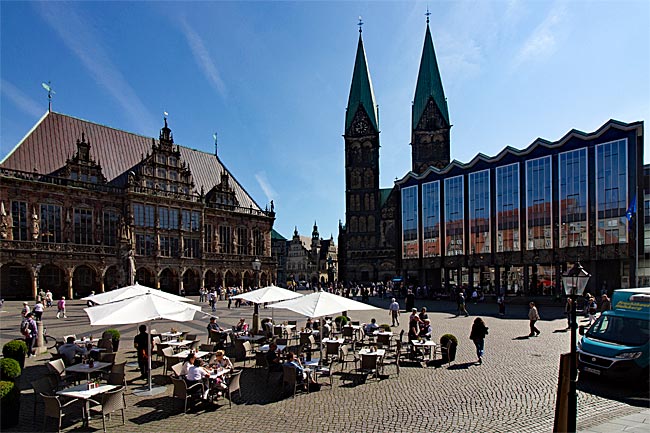
Of course, you don’t have to sit in the green; people with hay fever, for example, deliberately seek out places with as little greenery as possible. And that’s exactly where you’re right on the market square in the city center. If you’re not bothered by passersby or the tram, you can sit here in the shadow of Bremen’s UNESCO World Heritage Site Roland statue and town hall. By the way, the oldest German barrel wines are stored in the traditional Ratskeller under the town hall.
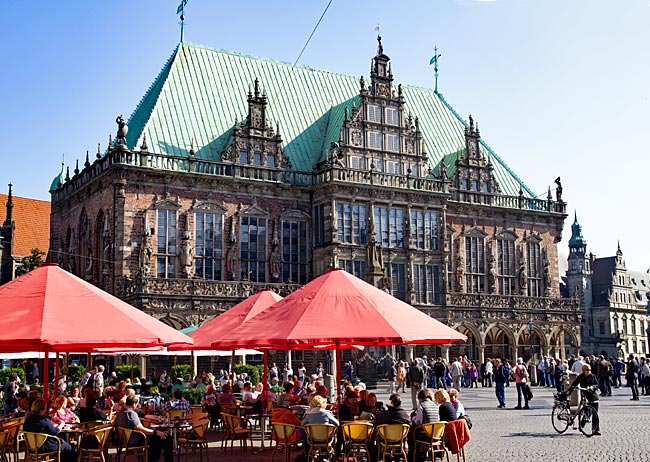
There’s always something happening on and around the market square
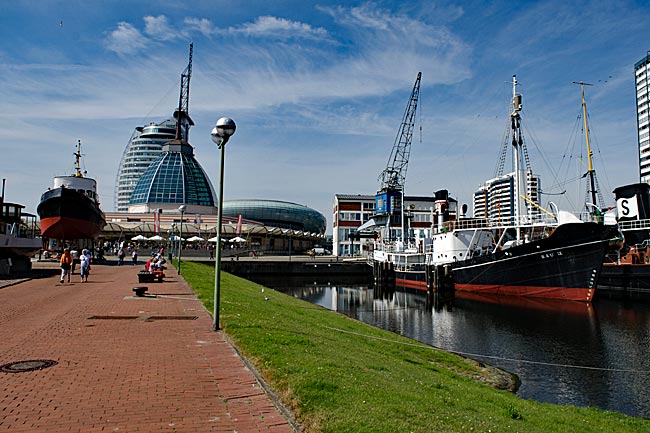
Even more wind blows directly at visitors by the Weser River. At the docks along the Schlachte lies the famous “Alexander von Humboldt.” While the local brewery once advertised its brand “Beck’s” with the sailboat featuring a green hull and sails, today it serves as a hotel and gastronomy ship after a renovation. Just as close to the water, you can sit on the Pannekoekschip Admiral Nelson right next door. Those who prefer to look down from above have a good view of the river from the beer garden tables on the Boulevard der Schlachte.
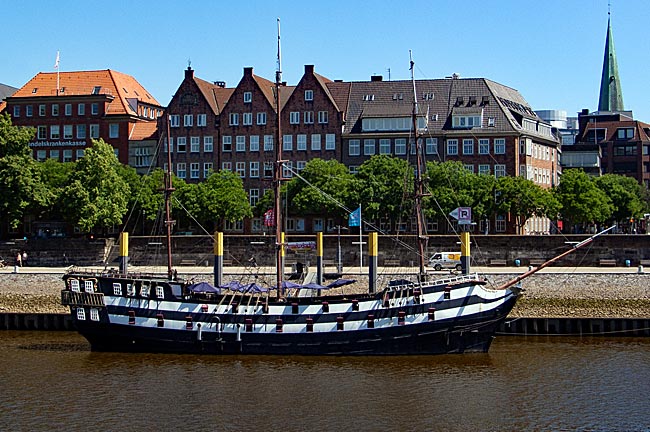
The model for the replica "Admiral Nelson" participated as a frigate in the 1805 Battle of Trafalgar under Nelson as admiral
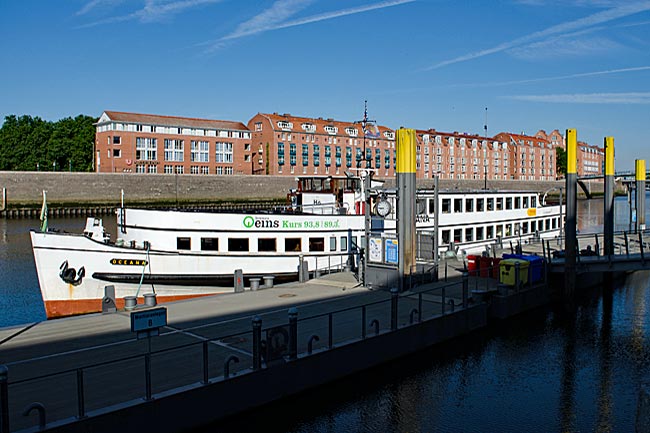
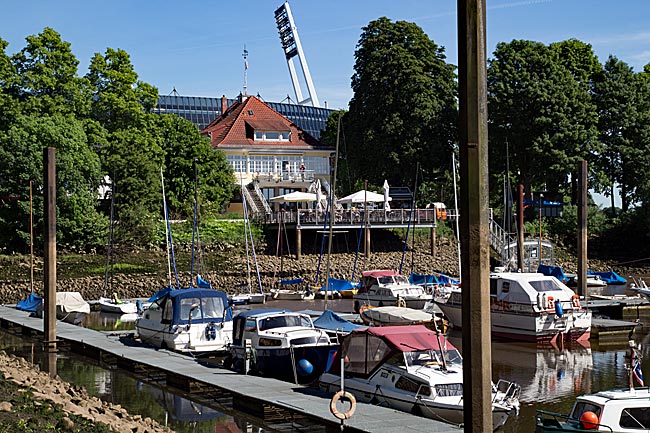
This also applies to Beck' Ambiente and Café ÜberBlick with its summer garden at/on Bürgerhaus Weserterrassen right next door on Osterdeich. Diagonally across, you can sit at Bootshaus am Weserbogen on the terrace with a view of the marina when the weather is nice.
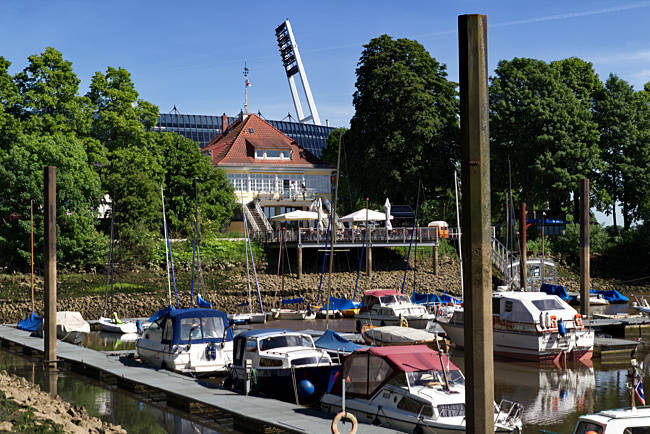
Marina with the restaurant terrace in the background
Even closer to the water, with a small sandy beach, you are on the other side of the Weser River on Stadtwerder at Café Sand at Strandweg 106, which you can reach directly by the Sielwall ferry. At the end of Osterdeich in the Hastedt district, Paulaners has an outdoor terrace with a view of the Weser weir - the last weir in the Weser before the North Sea - in the old "fortress".
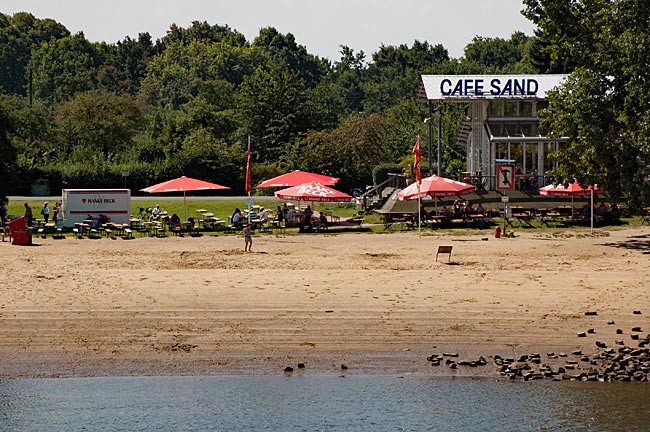
A destination for many cyclists and guests arriving by the Sielwall ferry. Many come with children: Café Sand
The Rhododendron Park is not only the site of an annual sea of blossoms but also home to the café & restaurant Bloom at Deliusweg 40. Away from traffic noise and exhaust fumes, you can sit especially nicely on the terrace in the green when the weather is nice.
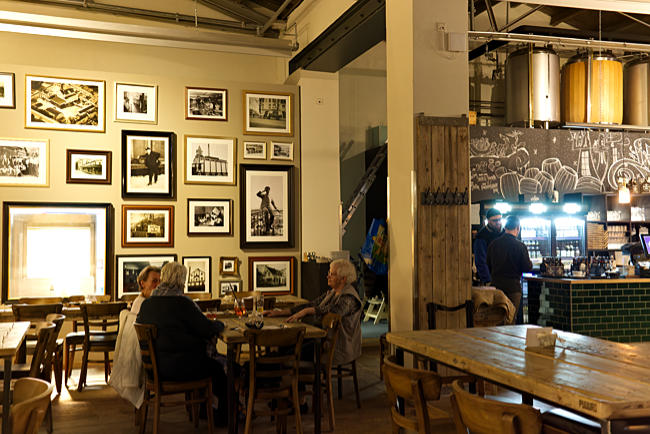
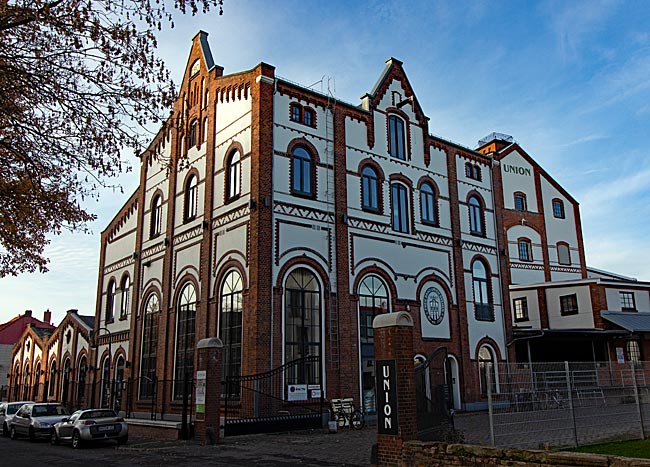
At the counter in the rustically furnished dining room of Union Brauerei in the Walle district, beer brewed on-site is tapped
In addition, there are many opportunities to stop for a bite and find a nice spot wherever you happen to be.
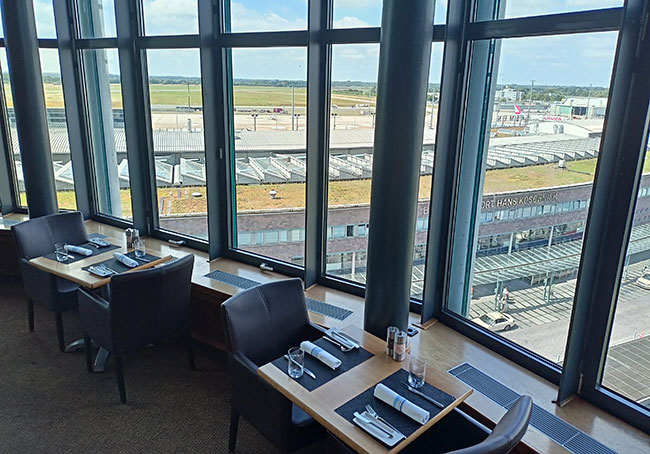
Because of its urban location, the airport allows for observing takeoffs and landings from multiple angles - while enjoying a meal at Blix, the aerial perspective adds extra charm.
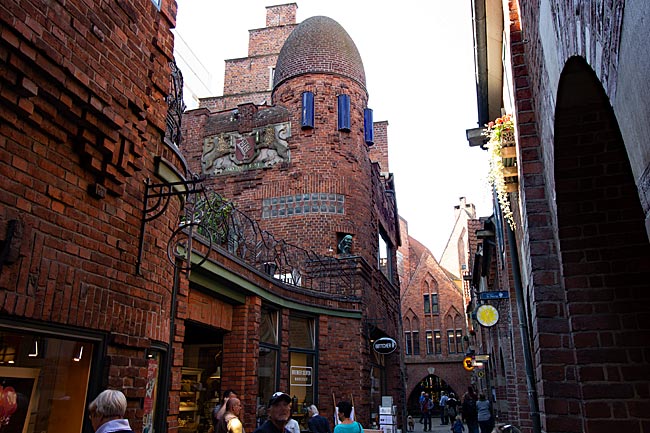
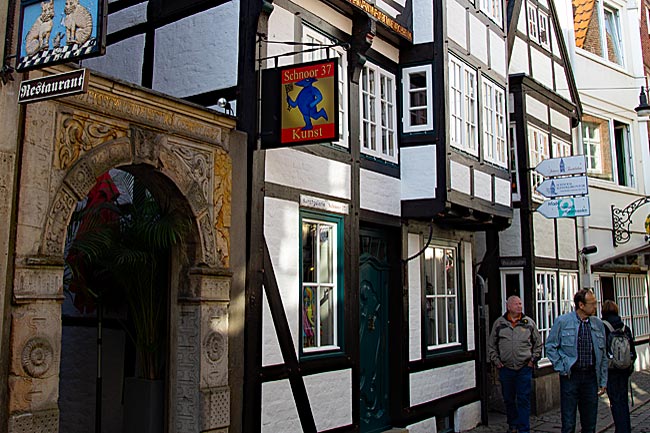
Such as during a bike tour along the Wümmedeich at the border between Bremen and Lower Saxony between Dammsiel and Kuhsiel or while strolling through the city, e.g., in Schnoor or Böttcherstraße.
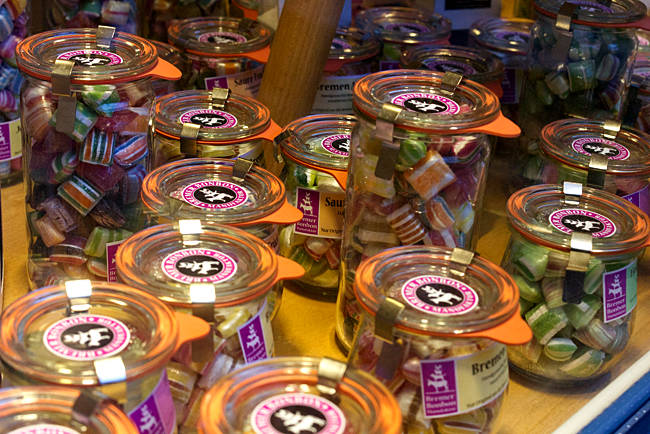
Handmade sweets for in between: candies at Bremer Bonbon Manufaktur in the Werkhof of the Böttcherstraße
previous page
 next page
Bürgerpark
A green oasis near the city center and a heavily used recreational area is the Bürgerpark. The extensive park, which adjoins today's Bürgerweide behind the train station, was initiated by the citizens themselves. At the beginning of the 19th century, the old defensive structures of the city had already been dismantled, and the ramparts were transformed into a park landscape. However, as the city rapidly grew throughout the century, the demand for more green spaces became increasingly louder.
read more ...
Stadtwald & Stadtwaldsee (urban forest & lake)
Stadtwald & Stadtwaldsee. The design of the Bürgerpark is attributed to Wilhelm Benque, who served as its director from 1866–1870 and again from 1877–1884. Carl Orth succeeded him in this role, and under his plans, construction of the Stadtwald began in 1907. The 66.5-hectare site north of the railway tracks had been donated to the Bürgerpark Association by the Bremen merchant Franz E. Schütte one year earlier.
read more ...
Bremen Town Musicians
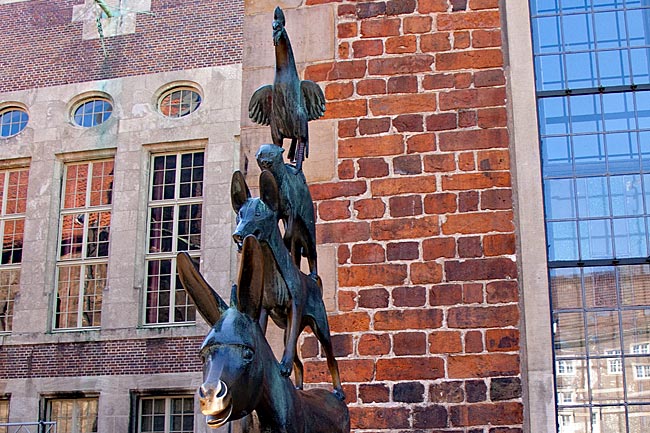
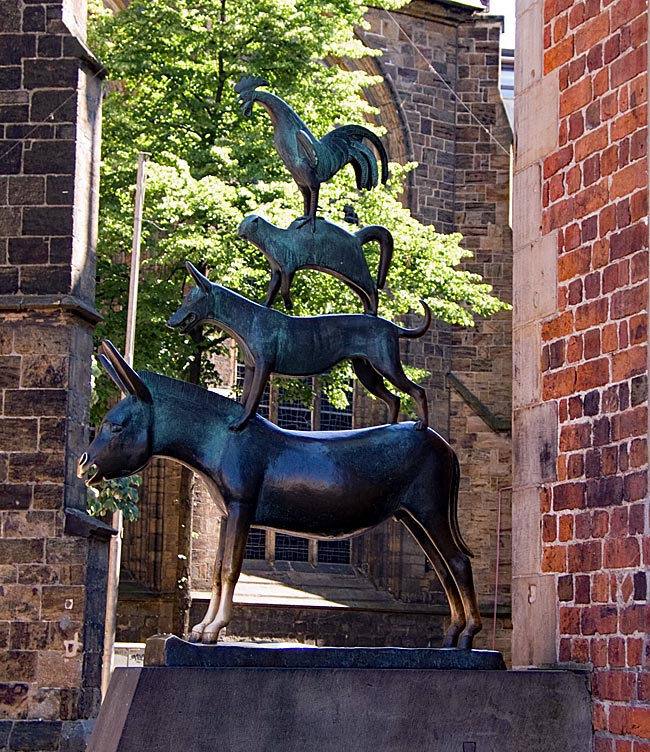
On the left side of the Old Town Hall, next to the entrance to the lower hall, stand four bronze-cast heroes of a world-famous fairy tale - the Bremen Town Musicians. However, it remains a contentious point whether these mismatched four - donkey, dog, cat, and rooster - actually made it to Bremen, as the fairy tale does not provide a clear answer on this matter. But perhaps that is not so important, for what truly matters is the message conveyed in the story.
read more ...
Roland statue
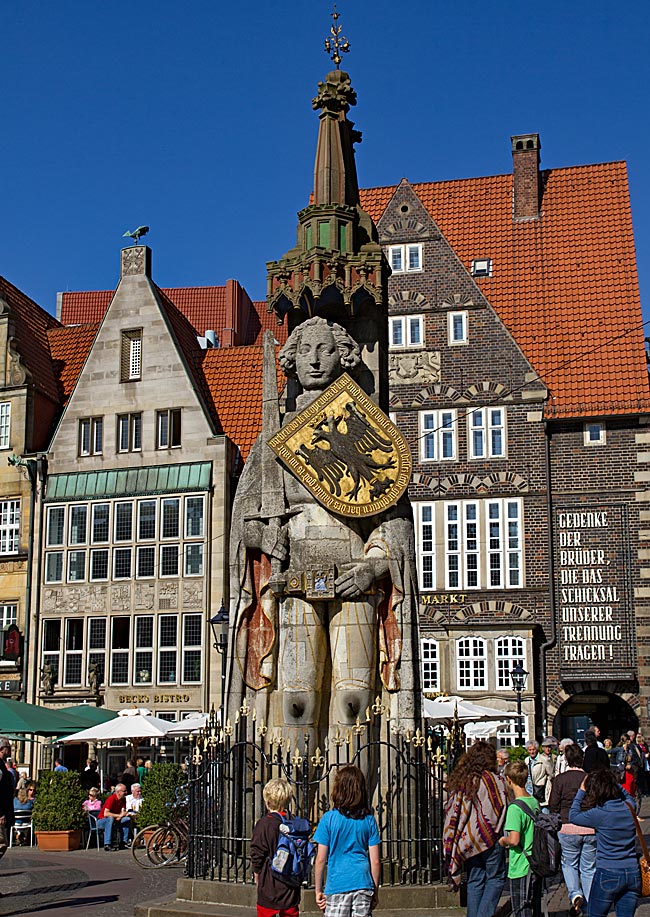
The Roland statue stands on the market square in front of the town hall and has been there since 1404. It is a 5.55-meter (10.21-meter total) tall sandstone figure of a knight with a drawn sword and shield in front of his chest. Like in many other European cities, the Roland in Bremen symbolizes the city's freedom, which historically stemmed from market rights and its own jurisdiction.
read more ...
Round trip: from the city center to the Weser weir & back
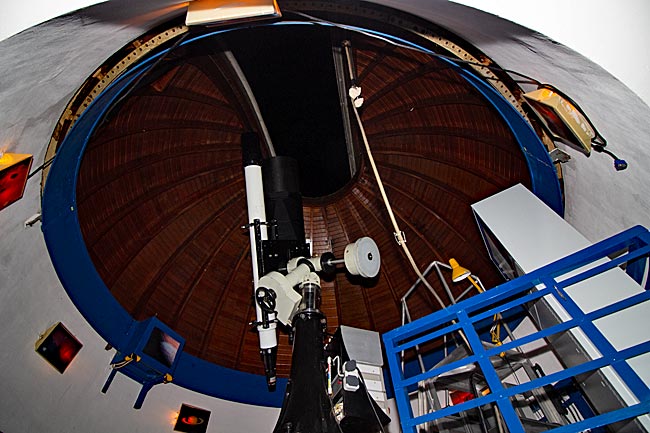
Starting from Tiefer or Altenwall, the section of the Weser riverbank in front of Schnoor and diagonally opposite the DGzRS (German Maritime Search and Rescue Service), the Planetarium, and the Observatory on the other side of the river, a beautiful path for pedestrians and cyclists runs directly along the water upstream towards the Weser weir. After crossing the Weser weir, the return route takes you back via Stadtwerder.
read more ...
Rhododendron Park
Also located in the Horn district is the 46-hectare Bremen Rhododendron Park. The core of the park consists of two original parks. As early as around 1890, beech, ash, spruce, and especially oak trees were planted on the site. In 1936, the area, which was originally designed as a wildlife park, was supplemented with an extensive collection of rhododendrons. To this day, the numerous deciduous trees in the park provide important protection for the rhododendrons against sun and wind.
read more ...
Through Walle to the industrial ports
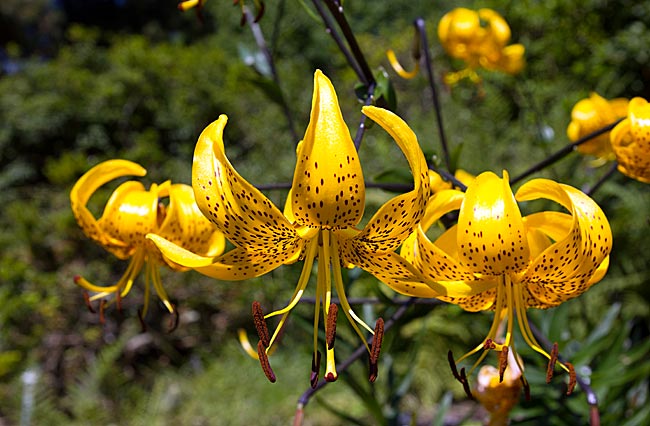
The history of Walle, like that of many other districts in Bremen, began long ago as an independent village - specifically, it started only as the seat of the Ministerial family von Walle. The first mention of the old village dates back to the year 1139. From this family came both farmers and citizens, and thus the family estate grew into a village around the manor. Walle was gradually incorporated into the Hanseatic city in several steps between 1885 and 1902.
read more ...
Kale & Pinkel
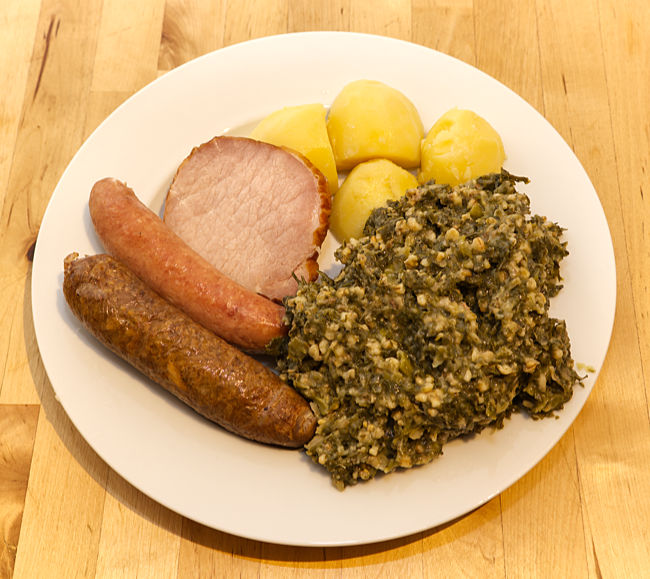
Every year between October and February, it's that time again: Kale (Grünkohl) season. Usually by late October/early November, the mostly green, palm-like plants - up to 180 cm tall depending on the variety and rich in vitamins and minerals - are ready for harvest. These plants are commonly found in Bremen, even in the beds of allotment gardens. Since the curly leaves of this cruciferous vegetable, once stripped of stems and stalks, can appear slightly brown or green - or turn a bit brownish with a lot of imagination when cooked - many people from Bremen also call Grünkohl "Braunkohl" (brown cabbage).
read more ...
Knipp
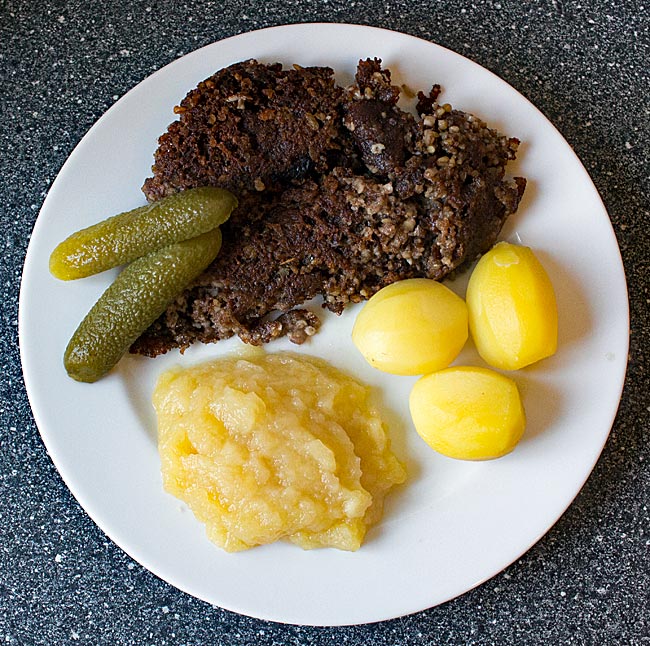
Quite hearty and not suitable for a diet program is Knipp. The "Grützwurst" made up of 50% pork meat and bacon, 20% oatmeal as well as water, onions, dextrose, and spices, including mainly pepper and salt, was long considered „poor people's food“, because it was formerly actually made from leftovers that fell off during slaughtering. Today, Knipp is considered a specialty in Bremen and some parts of Lower Saxony.
read more ...