

DISTANT PLACES
Travel tips for destinations far from the Hanseatic City of Bremen
Wismar
The Hanseatic City on the Baltic Sea
and
its UNESCO World Heritage
Page 2 of 4
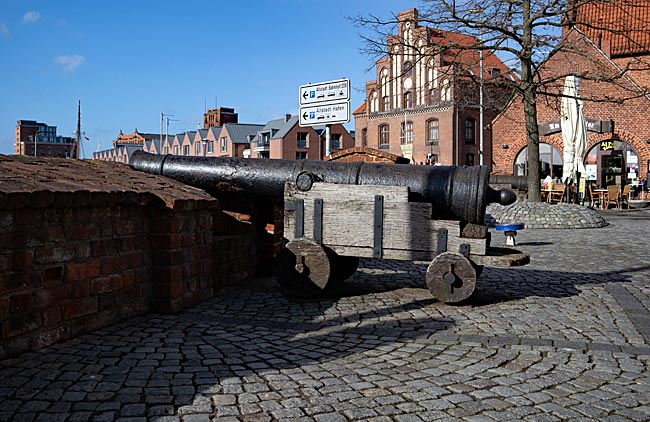
Old cannon
Although also made of brick, a short stretch of wall a few meters long with two old cast cannons on wheeled carriages next to the Water Gate is not Gothic. The stone structure is so low that one could jump over it, but it symbolically represents the fortifications, especially from the Swedish era. An information board refers to a visit by the Russian Tsar Peter I on April 26, 1716, during which he also inspected the extensive fortifications.
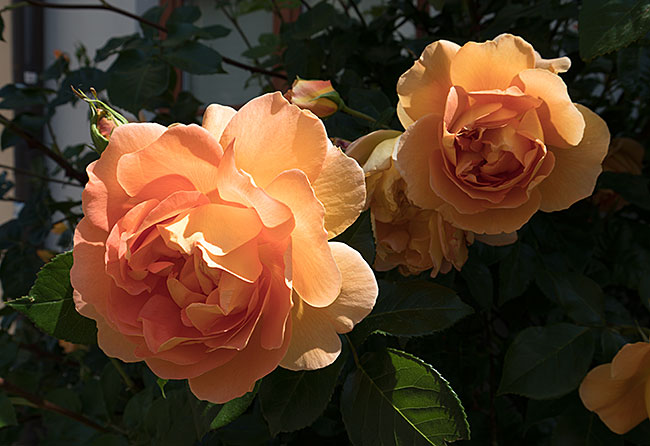
Too many wars in the world ... many blooming roses in spring in Wismar
However, the Tsar was no friend of the Swedes, as they had marched toward Moscow via Poland and Saxony in 1707 under King Charles XII with hostile intentions. After an initially successful campaign for the Swedes, this renewed military conflict ended two years later with a devastating defeat at the Battle of Poltava in present-day Ukraine in July 1709. The outcome of the decisive battle during the Great Northern War (1700-1721) also ended Swedish dominance in the Baltic region.
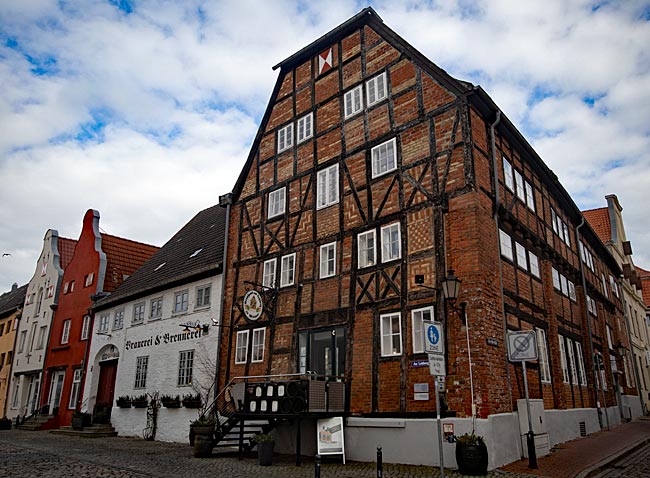
Brewery at Lohberg
Well then, cheers! Or perhaps Skål? That might have been what the Swedish rulers in the old Hanseatic city of Wismar thought after their defeat and decided it was time for a strong drink. This has been available since 1452 right across from the aforementioned wall at Brauhaus am Lohberg, and it still is today. In the 15th century, however, the brewery was just one of many in a city that was much smaller compared to today - there were reportedly around 200 breweries producing barley juice. However, the inhabitants weren’t perpetually drunk despite the numerous well-filled barrels, as Wismar’s beer was exported in large quantities to many European countries, even reaching the Iberian Peninsula.
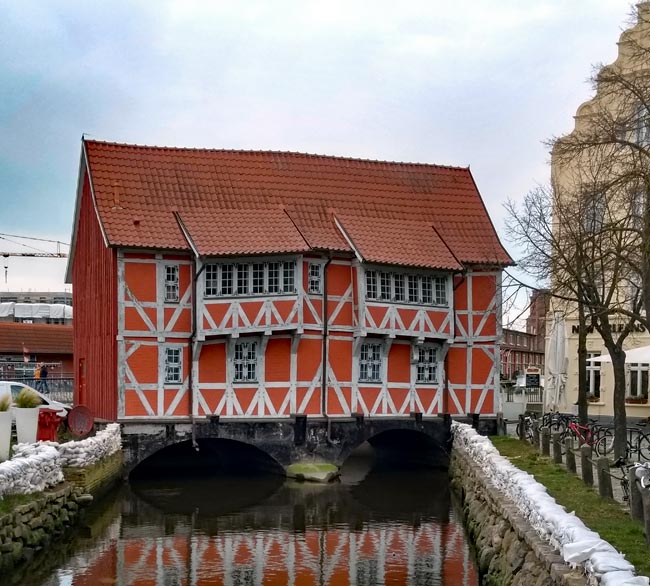
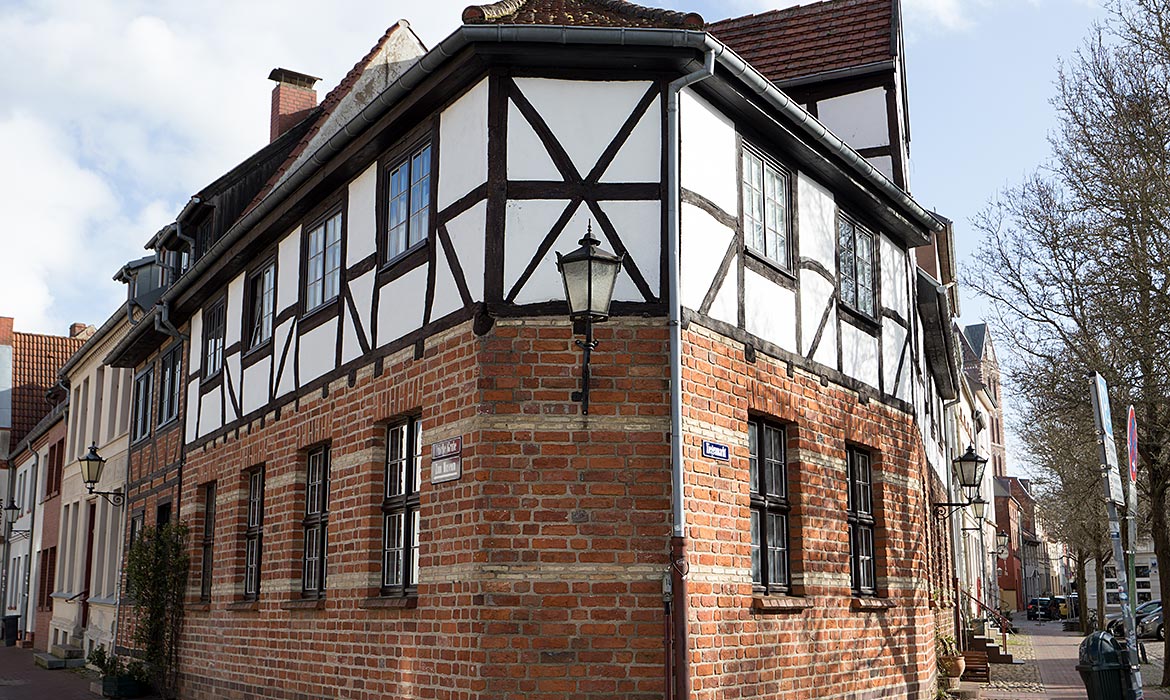
Timber-framed houses at Ziegenmarkt (Goat Market), which perhaps no goat has ever seen
Nevertheless, in the past, one or two people might have emptied themselves into the nearby ditch (Grube) after having one too many mugs of beer for their well-being. Well, we don’t need to imagine that too vividly, but it did require a transition here ...
Although we all eventually end up in the grave (in german also called Grube), that’s not what is meant here - just as little as a soak pit serving as a latrine or even a mine. However, they do share one thing in common: something excavated by human hands - in this case, canals. These were already constructed by industrious hands in the 13th century and created navigable waterways from the harbor to the city center. This made transporting goods much easier and faster, but the water also served as a water supply for the population and was quickly at hand in case of fire. City fires were greatly feared back then, as entire streets, neighborhoods, or even more than half of cities often burned down over days.
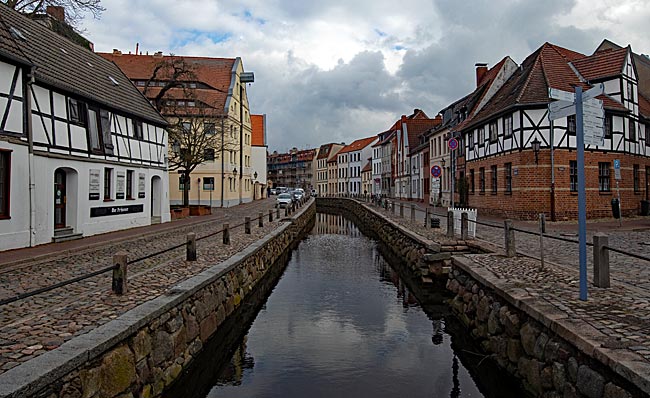
Frische Grube (Fresh Ditch)
Of the four canals that are historically documented, only the Frische Grube has survived to this day. It runs under this name from the end of the Old Harbor to Schweinsbrücke (Pig Bridge). The canal, lined with roughly hewn fieldstones on both banks, is flanked by single-lane roads along which architecturally diverse houses from various eras are lined up, including former protected warehouses.
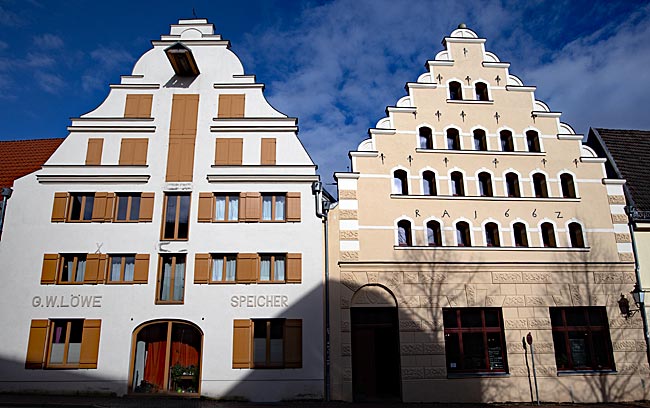
There are several former warehouses (left) in close proximity to the waterways in Wismar; this warehouse stands in Scheuerstraße
The cobblestone pavement here, as in many other streets of the old town, is brutally rough because it was often laid with unprocessed round fieldstones. Undoubtedly, it helps preserve the historical cityscape more authentically than asphalt ever could - and that’s a good thing - it’s also more ecologically sensible. However, for cyclists of all genders, a tour over these paths can become a test of both material and riding skills; riding hands-free is definitely not recommended. And in the icy-cold winter, the term "chills" takes on an entirely different meaning.
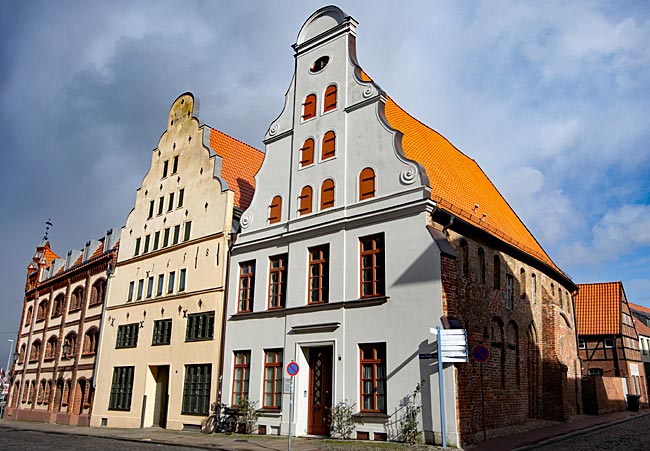
"Am Poeler Tor" (At Poeler Gate), where one could previously leave the city
The waterway with its numerous small steps over which boats were loaded and unloaded somewhat resembles a canal, such as those found primarily in Amsterdam in the Netherlands. A visit to the aforementioned Schweinsbrücke is definitely worth it. In earlier times, a communal pasture lay outside the city wall near the former northern city gate, Poeler Tor, and when the animals were driven into the city, the path led past the imposing St. Nicholas Church over the bridge.
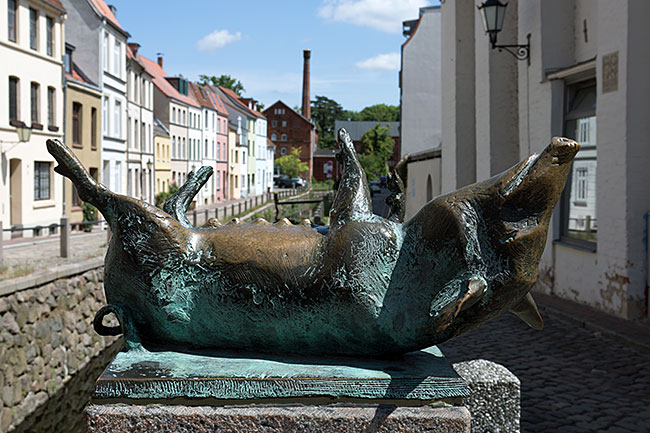
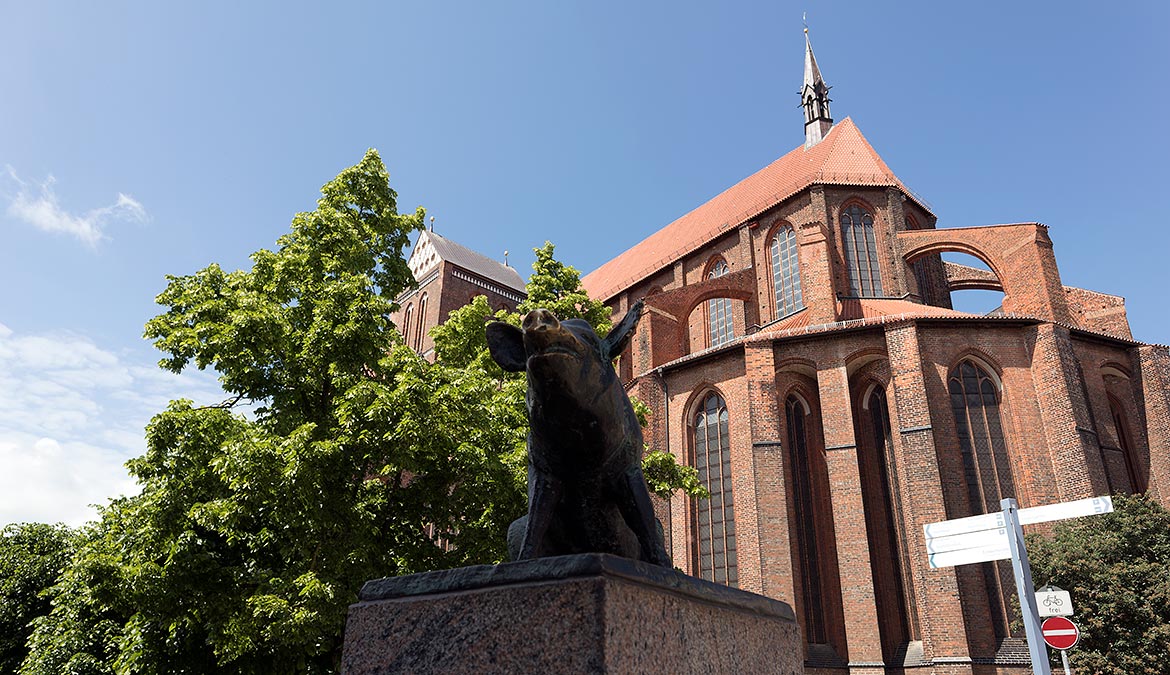
One of the four pigs at Schweinsbrücke
However, the attraction is not the structure itself but rather small bronze sculptures of pigs in various poses on all four bridge piers. The detailed artworks were created by sculptor Christian Wetzel in 1989. At that time, he was a member of the advisory board for architecture-related art in the Hanseatic city. Worn spots on the metal show that passersby like to run their hands over them.
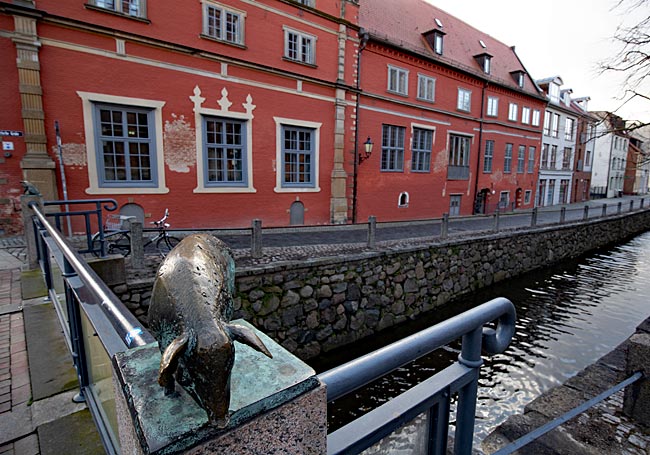
Another pig at Schweinsbrücke, with the Schabbellhaus behind it
Directly at one of the corners stands the Schabbellhaus. Its name comes from the councilman and later mayor Hinrich Schabbell, who had this merchant’s house with an attached brewery built between 1569 and 1571 by the Dutch architect Philipp Brandin in the style of early Renaissance. The building, restored between 2010 and 2017, now houses the city history museum of the Hanseatic city of Wismar and serves "as an ornament and honor to the city," as the very influential citizen wrote during his lifetime (1531-1600). He could not have foreseen that it would still be so 400 years later.
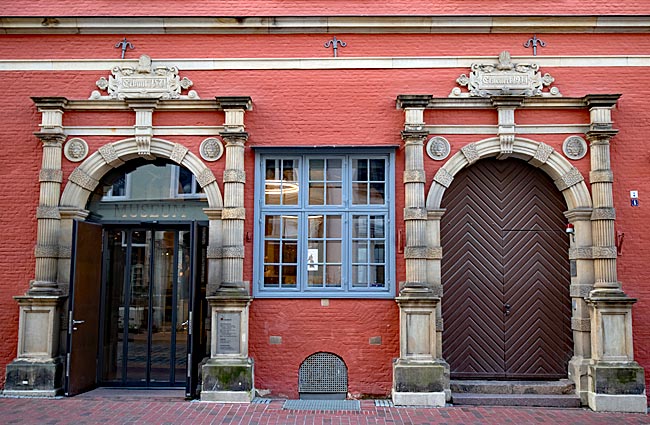
Museum Entrance
Behind the facades, however, the museum’s exhibition rooms extend over two houses. The neighboring Renaissance building with house number 6 is a typical Hanseatic townhouse. A Kemladen (a type of living quarters) was later added to the stone-built front house. These typically long, two-story extensions of hall houses were usually built of wood and served as the living quarters of the owners. The name derives from the term Kemenate, meaning a heated living room or room with a fireplace. Of course, there was also a fireplace in the business rooms of the front house to heat the premises. How people of that time lived in their homes can be experienced through a museum visit.
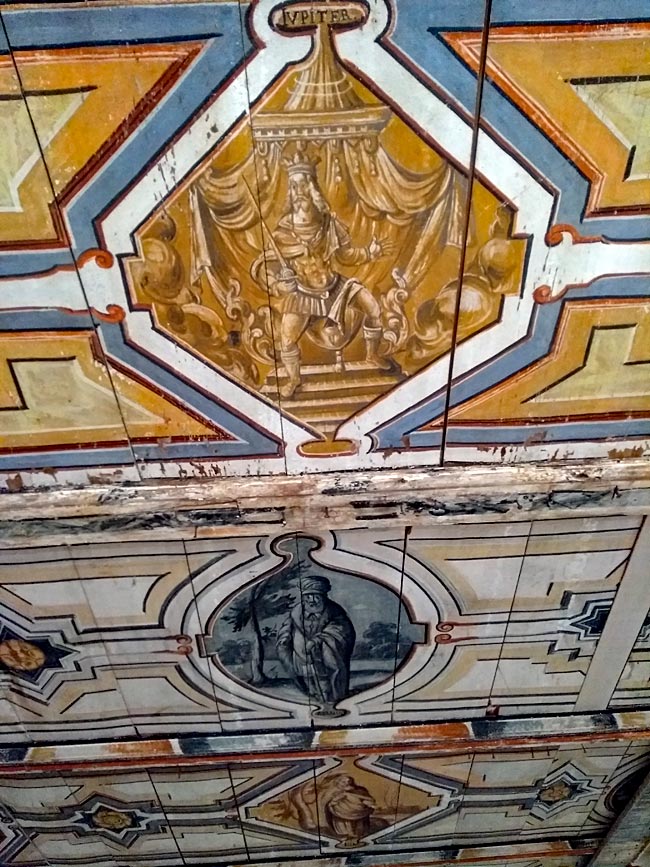
Painted ceiling in the World Heritage House
Those who do not wish to do so are highly recommended to visit the Welt-Erbe-Haus (World Heritage House) next to the tourism information center on Lübsche Straße. From the museum, simply walk up the street and turn right into the street Hinter dem Rathaus (Behind the Town Hall), following the road. The World Heritage House is a building with a stone front house and an attached timber-framed Kemladen on a foundation of loose fieldstones from a medieval predecessor building. This beautifully restored small building complex visually illustrates and provides information via text panels about the lives of past generations in the hall houses typical for Wismar, along with their outbuildings. Additionally, there is extensive information about the city’s history and numerous protected buildings in the old town - there are 1,754 in total, with 306 designated as individual monuments. In the old town, one is right in the middle of Wismar’s UNESCO World Heritage Site.
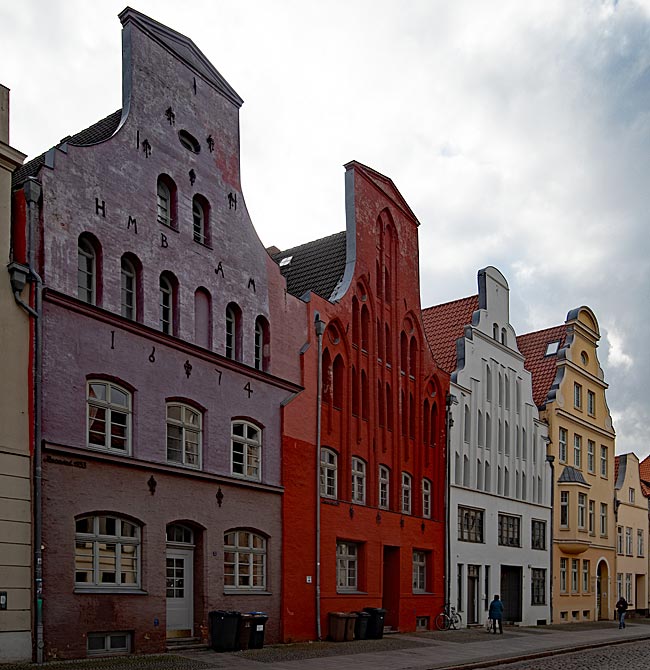
Charming (in german hübsche) Houses on Lübsche Straße


Map
Information
Tourist Information
Opening Hours:
April to September: daily 9:00 AM – 5:00 PM
October to March: daily 10:00 AM – 4:00 PM
www.wismar.de/Tourismus-Welterbe (also in english)
Förderverein „Poeler Kogge“ e.V. (Poeler Cog)
www.poeler-kogge.de/kogge.html
Harbor Tour and Island Poel
www.adler-schiffe.de/ab-wismar-und-poel/hafenrundfahrt.php
Tierpark Wismar e.V. (Zoo)
Zum Festplatz 30
23966 Wismar
Phone.: +49 (0)3841 707070
Open: March – October daily 9 AM – 6 PM, November – February only on weekends and holidays 10 AM – 4 PM
Email: info@tierpark-wismar.de
www.tierpark-wismar.de
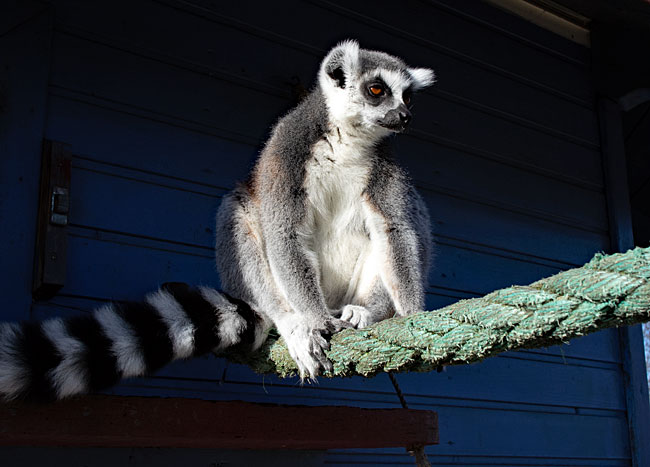
Katta at Tierpark Wismar
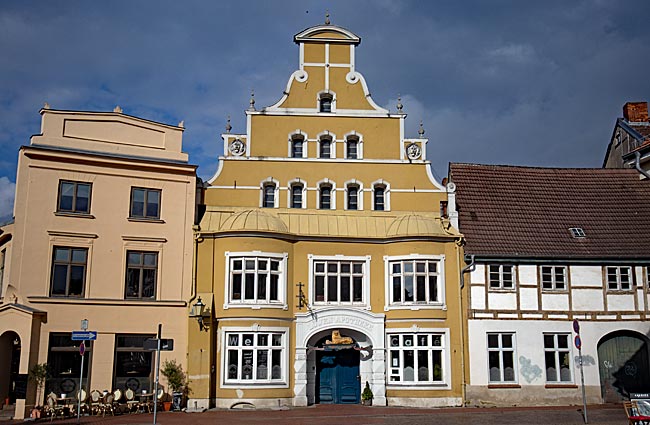
Also beautiful: The Löwen Apotheke (pharmacy) at Hopfenmarkt is now used differently
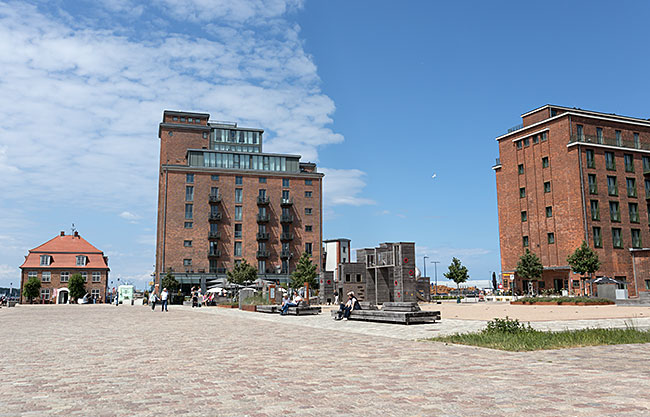
At the Old Harbor
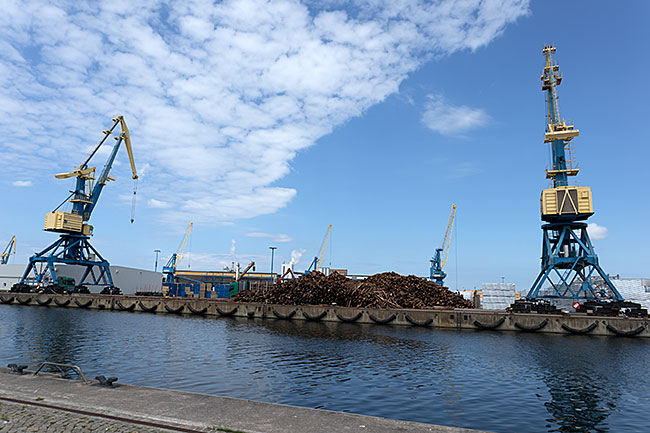
Timber handling in the port
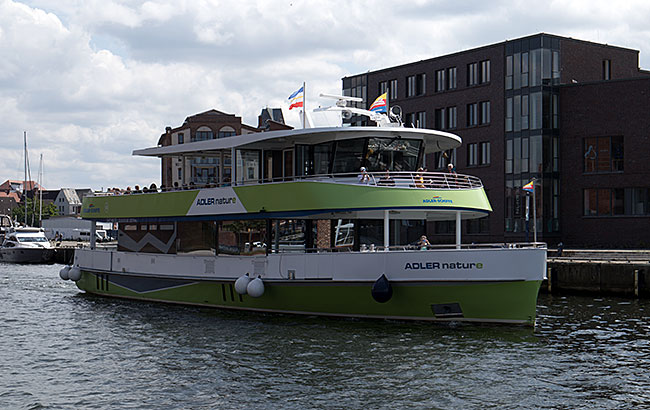
Electric-powered excursion boat
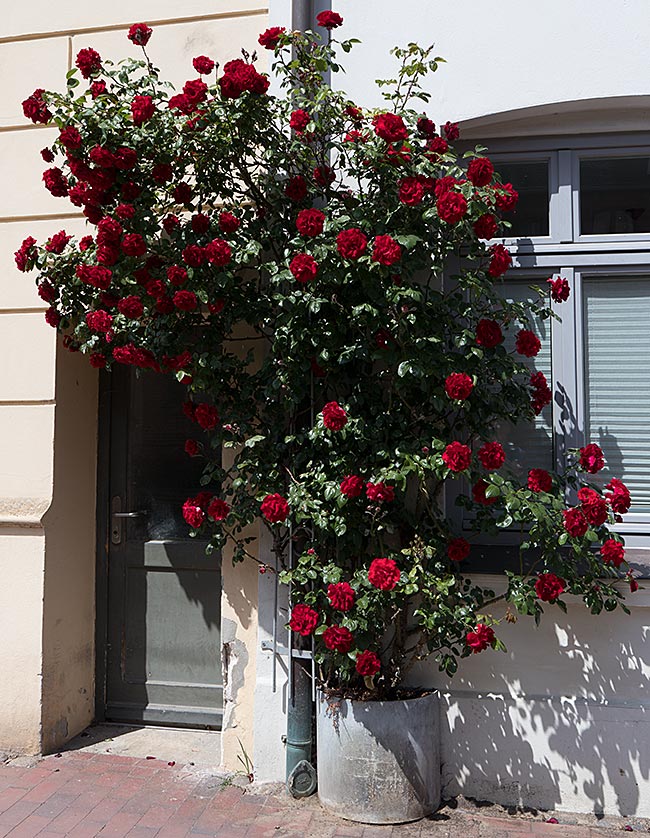
Blooming red roses
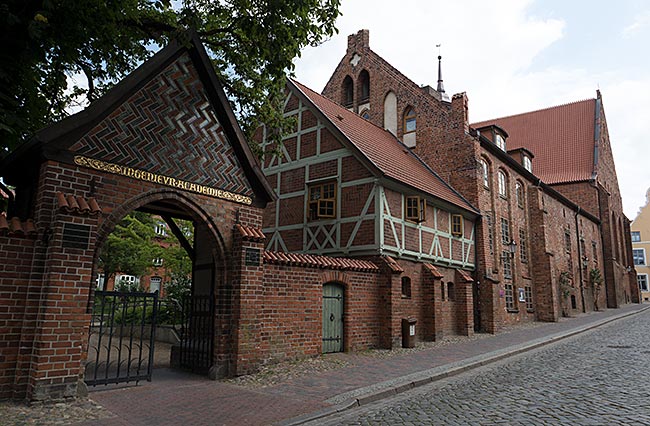
Evangelical lutheran congregation Wismar Heiligen Geist - St. Nikolai
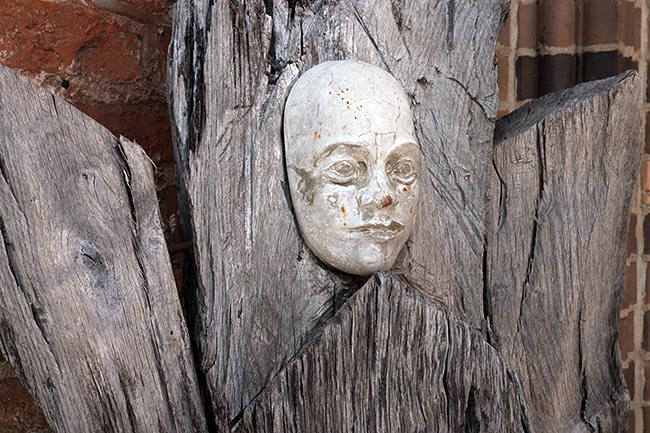
Part of "Holy Family" (2020), a work by Wismar confirmands and artist Lars Maué. The plaster casts of the faces were mounted on the pillars of a former bridge in Wismar.
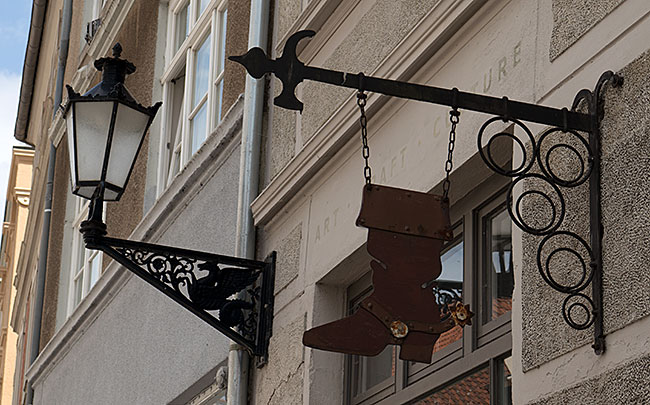
Lantern and sign
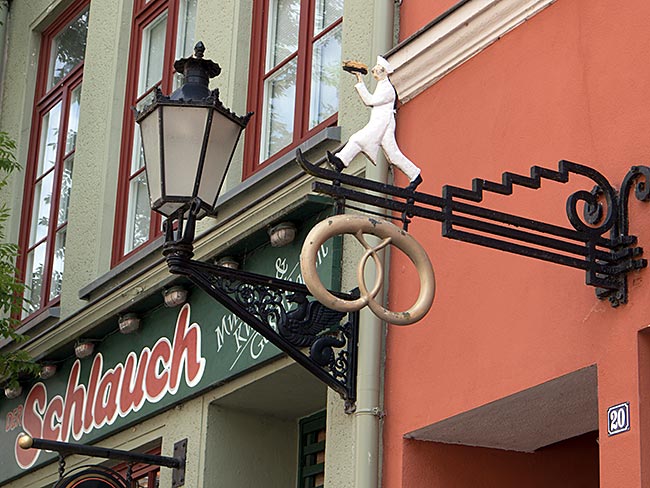
Lantern and sign
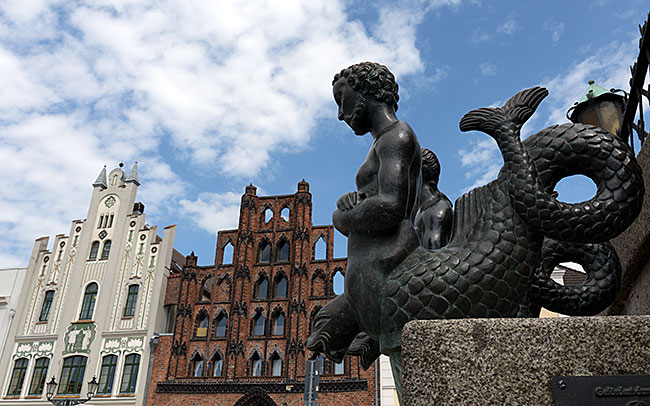
Nix and Nixe with historical houses in the background in the market square
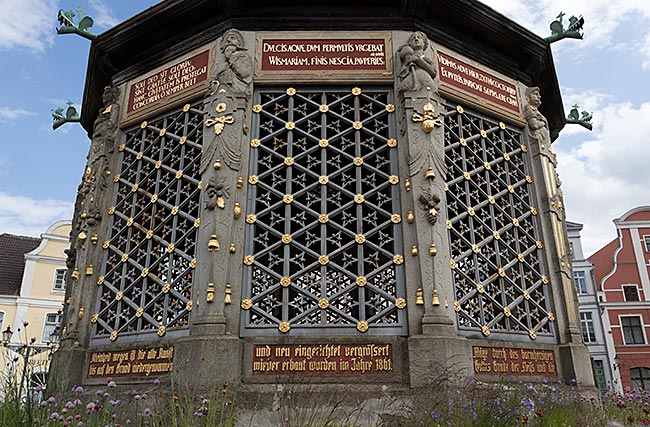
Details of the Wasserkunst, a dodecagonal fountain house in the market square
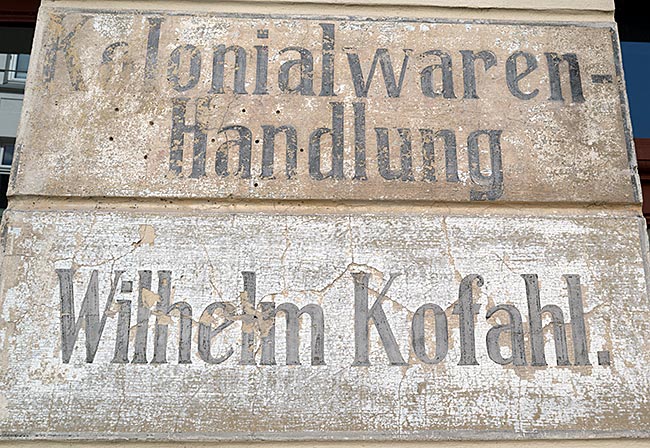
A formerly colonial goods store: These shops originally sold products from overseas colonies. In most of these colonies, the local people were exploited through slavery and even unto death. European merchants became wealthy or even very rich as a result.
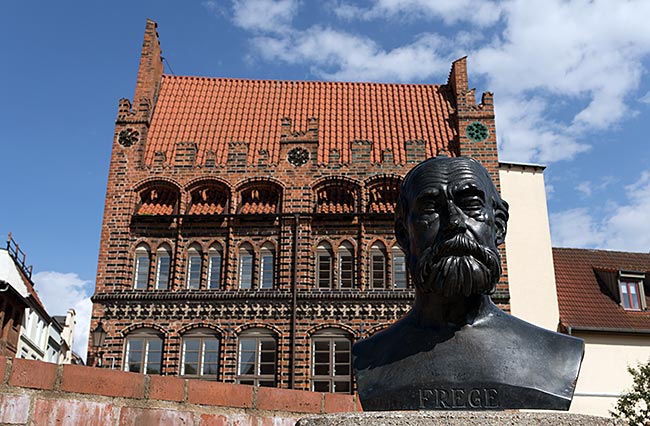
Bronze bust of Gottlob Frege on the Forum; he was a mathematician, logician, and philosopher, born in 1848 in Wismar and died in 1948 in Bad Kleinen. The house in the background is the Archidiakonat.
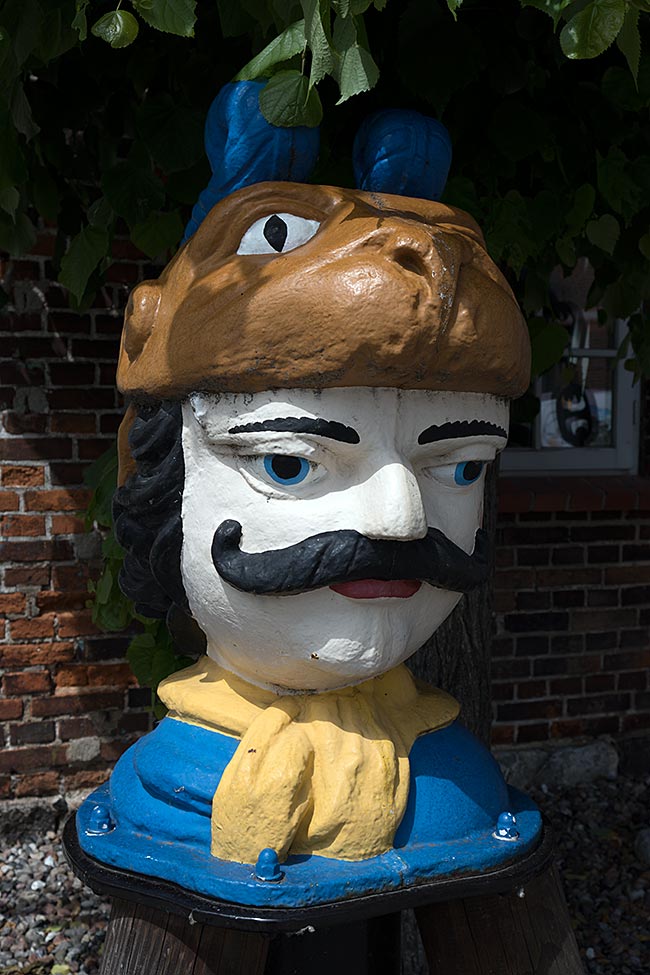
Another Swedish Head
Rügen by the Baltic Sea
Active holiday featuring cycling and hiking
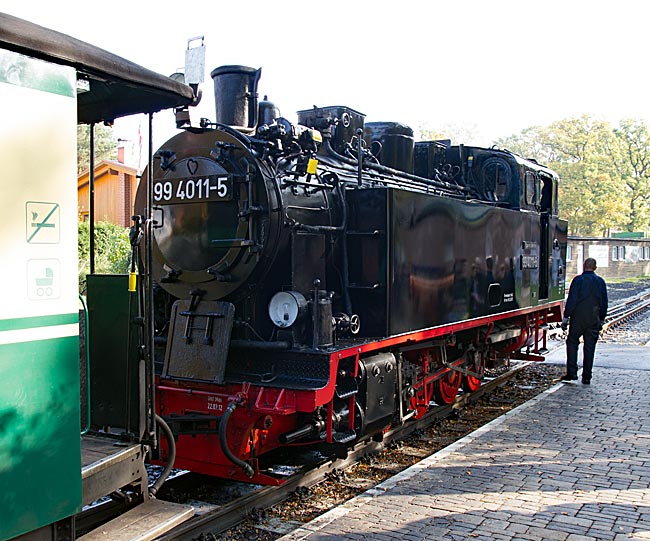
Enjoy an active holiday featuring cycling and hiking along the Baltic coast in Mönchgut on the island of Rügen. Long sandy beaches, rolling hills, and lush forests provide a varied and beautiful setting for your getaway. Often, the only thing breaking the peace is the distant whistle of the historic 'Rasender Roland' steam train. Despite its name (which suggests something "racing" or fast), it’s actually quite the opposite. A journey by train is simply part of the holiday experience.
read more about Rügen ...
Rostock and Warnemünde by the Baltic Sea
A travel guide
A mini-guide through the Hanseatic city of Rostock and its beautiful beach destination, Warnemünde. Home to one of the oldest universities in the Baltic region, the city boasts a rich history. Join us on a tour of discovery.
read more about Rostock ...